
What to Expect When Getting Dental Implants
Key Takeaways
- Dental implants are a multi-step process involving consultation, surgical placement, a healing period, and restorative steps for long-lasting tooth replacement.
- Good oral hygiene and healthy habits, such as not smoking, are essential for ensuring the success and durability of your dental implants.
- Most people recover from dental implant surgery within a few days, but the entire integration and healing process can take several months.
Dental implants have revolutionized the way individuals restore missing teeth, offering a modern and reliable solution that not only looks natural but also feels and functions remarkably like your own teeth. For many, the prospect of regaining a complete and confident smile is life-changing, which is why understanding the dental implant process in detail is so important. Patients considering this investment in their oral health should be prepared for a journey that involves several crucial steps. If you are seeking a local, trusted solution, consider full mouth dental implants in Elk Grove, which can provide comprehensive care and guidance from a qualified dental team throughout the entire experience.
Knowing what to expect throughout the dental implant process can be invaluable in minimizing anxiety, allowing you to approach each phase with peace of mind. Informed patients are better equipped to cooperate with their dentist, maintain oral hygiene, and manage recovery. The stages involve careful planning and teamwork with your dental provider, from the initial consultation and surgical procedure to aftercare and long-term maintenance. As you read on, you will gain a clear understanding of the key elements of dental implant treatment, so you can feel empowered and ready for your new smile.
Initial Consultation and Evaluation
The process of getting a dental implant begins with a comprehensive evaluation by your dentist. This includes an oral exam, along with X-rays or 3D scans, to assess jawbone health and detect problems such as cavities or gum disease. Sometimes, a CT scan is necessary for more detailed planning. During this visit, you can also discuss your treatment goals, expectations, and any medical conditions, such as diabetes or medications that might affect the outcome. If bone loss is present, procedures like bone grafts or sinus lifts may be needed to prepare for the implant. Proper planning and open communication are key to a successful procedure and minimizing risks.
The Implant Procedure
Receiving a dental implant typically involves several distinct stages, each critical for the long-term stability and appearance of your restoration. Here’s what the process generally looks like:
- Preparation: Some patients may require preliminary procedures such as bone grafting or tooth removal to strengthen the jawbone and ensure a successful implant.
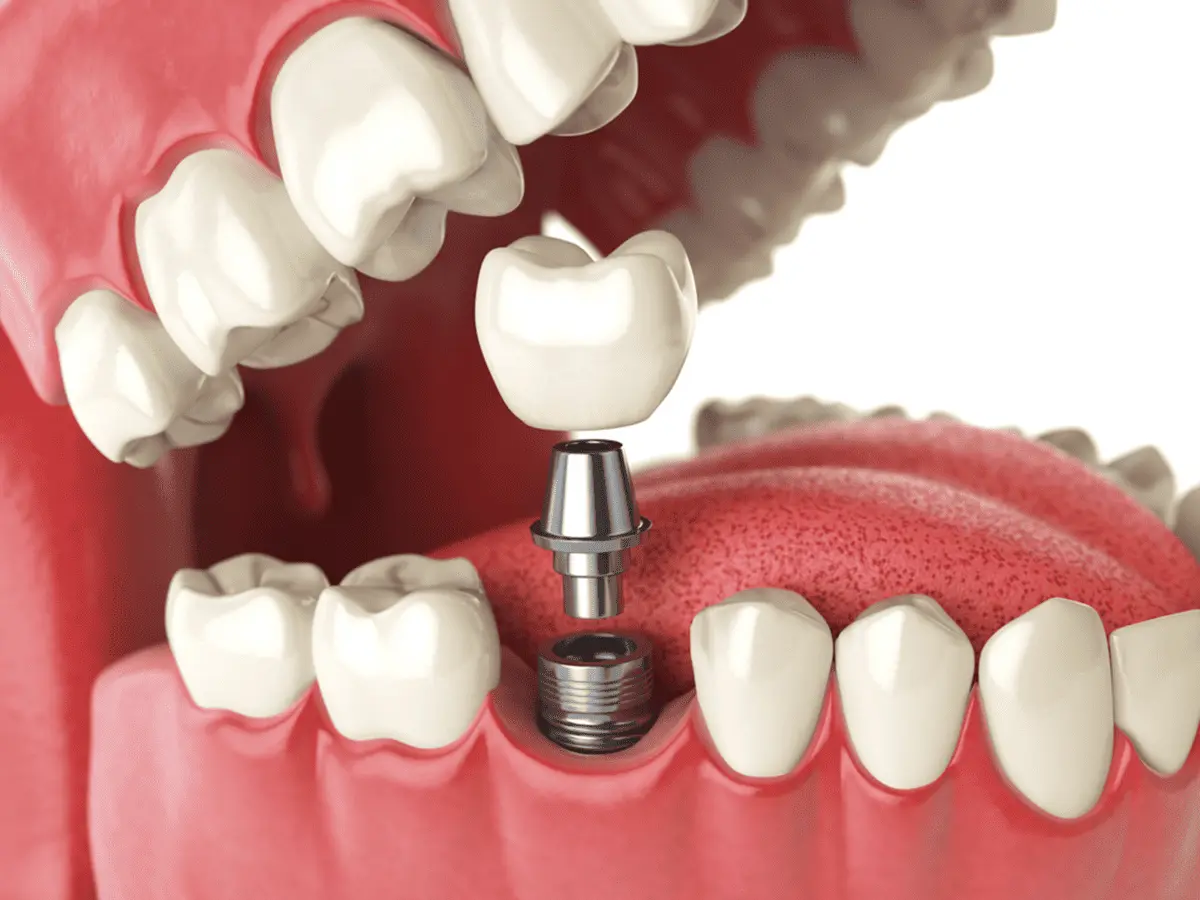
- Implant Placement: Using local anesthesia, sometimes combined with sedation, a titanium post is surgically inserted into the jawbone, serving as a durable, biocompatible anchor that encourages bone growth.
- Healing and Osseointegration: The area heals as new bone fuses with the implant, a process known as osseointegration, which can take from weeks to months.
- Abutment Placement: Once healed, an abutment is affixed to the implant, extending above the gum to support the final crown or bridge.
- Crown Placement: After healing, a custom-made crown matching your natural teeth is attached to the abutment, restoring both function and appearance for confident eating, speaking, and smiling.
Post-Surgical Care and Recovery
After implant surgery, it’s completely normal to experience mild to moderate discomfort, swelling, or bruising near the surgical site. Your dentist will provide personalized instructions for managing pain and reducing inflammation, which may involve over-the-counter medications, prescription pain relievers, and cold compresses. Careful attention to aftercare is essential to prevent infection and promote healthy healing.
Sticking to soft foods for a few days, avoiding very hot drinks, and steering clear of strenuous activities helps protect the implant site. Oral hygiene is especially important: follow your dentist’s guidance for cleaning around the implant and rinse gently with salt water or recommended mouthwash. Smoking or chewing tobacco can increase the risk of complications and should be avoided altogether, particularly during the weeks following surgery.
Long-Term Maintenance
Dental implants offer impressive durability, but their long-term success depends on consistent home care and regular professional monitoring. Make it a priority to brush with a soft-bristled toothbrush and non-abrasive toothpaste, floss daily, and consider using an antibacterial mouth rinse to prevent plaque buildup along the gumline. Even though implants themselves can’t get cavities, the surrounding gum tissue and bone remain vulnerable to infection and inflammation if proper care is neglected.
Routine visits to your dental office for exams and professional cleanings every six months, or as recommended, are vital for spotting early signs of problems. Your dentist will check for firm implant integration, healthy gums, and address any changes to your bite or prosthetic teeth. Healthy lifestyle choices, such as refraining from tobacco use and moderating alcohol consumption, greatly improve the lifespan of dental implants and help you maintain a beautiful, functional smile for decades to come.
Potential Risks and Complications
Dental implants have a high success rate, but, like any surgical procedure, they carry potential risks. Some rare complications include implant site infection, injury to nerves in the jaw or lips, sinus problems with upper implants, or, in some cases, failure of the implant to bond with the bone. These issues are most commonly seen in patients with poorly controlled chronic diseases or those who do not adhere to aftercare instructions.
Choosing a highly trained and experienced implant dentist can significantly reduce the incidence of these problems. Promptly reporting any unusual pain, swelling, or loosening of the implant during your recovery can allow early intervention and help resolve minor complications before they become major concerns. Good communication with your dental team and a commitment to follow-up visits are the best ways to ensure your implant journey goes smoothly.
Alternative Options
Dental implants aren’t the only method for replacing missing teeth. If implants aren’t suitable due to bone density, health issues, or budget constraints, alternatives such as fixed bridges or removable dentures may be appropriate. Bridges are less invasive but could impact healthy teeth; dentures are more affordable but offer less stability. Consulting your dentist is essential to select the best option for your smile, health, and financial situation. Your dental team will support you in identifying the most suitable solution for optimal function and aesthetics.
Conclusion
Understanding the dental implant process helps set realistic expectations and promotes a smoother experience from start to finish. While the journey involves multiple steps, from consultation and surgical placement to healing and restoration, each phase is designed to ensure long-term success and oral health. Consistent care, including proper hygiene and regular dental visits, is essential for maintaining both the implant and the surrounding tissues. With proper preparation, care, and follow-up, dental implants can provide a durable, natural-feeling solution that restores function, supports the oral structure, and helps patients enjoy a confident, lasting smile for years to come.
Also Read
