
Why do Minor Repairs Often Prevent Major Structural Damage?
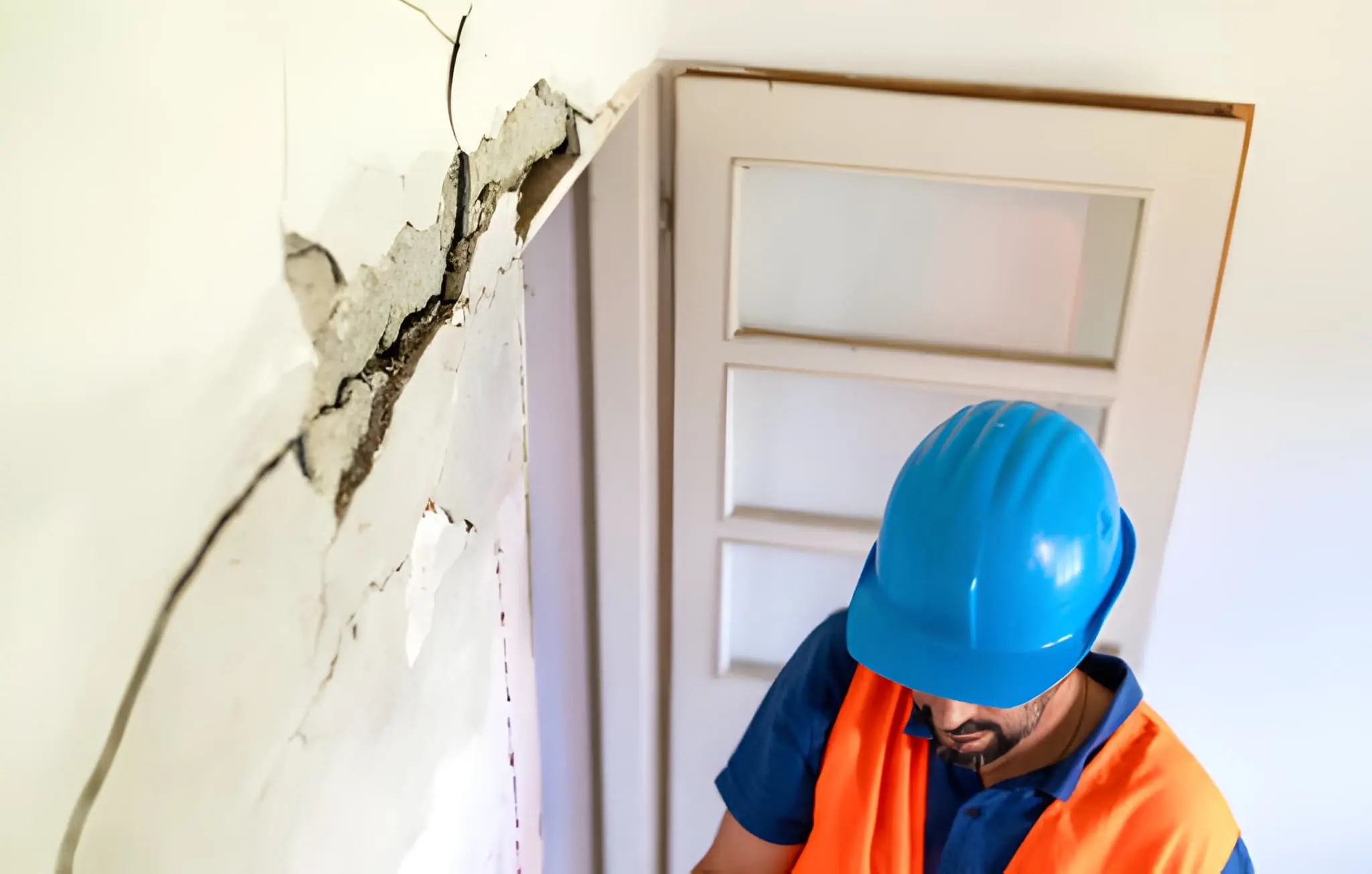
Major structural damage rarely begins as a dramatic failure. In most properties, it starts as something small: a hairline crack in drywall, a slightly sloping floor, a door that suddenly sticks, or a thin water stain near a ceiling corner. These early signs are easy to ignore because they do not feel urgent. However, structures respond to constant forces every day—gravity, moisture movement, temperature changes, vibration, and shifting soil conditions. When a small issue is left uncorrected, these forces continue to work on the weakened area until the damage spreads. Minor repairs interrupt that process. They stabilize weak points, reduce ongoing stress, and prevent secondary damage to nearby framing, foundations, or load-bearing systems. In many cases, an early small repair does more than save money—it protects the property’s long-term strength and safety.
Small Repairs, Big Structural Impact
Minor Cracks Are Often Early Stress Signals
Small cracks in walls, ceilings, tile grout, or exterior masonry are often a warning that movement or stress is occurring. A crack does not always mean structural failure, but it does indicate that materials are adjusting to pressure. If the pressure persists—due to drainage issues near the foundation, soil settlement, or shifting support loads—the crack can expand and deepen. As openings grow, they allow moisture and air intrusion. Moisture then worsens deterioration by weakening drywall, rotting wood framing, and corroding metal fasteners. A minor repair, such as sealing cracks, patching grout, or addressing the moisture source, can reduce the chance of further spread. Many homeowners only seek solutions when damage is visible across multiple rooms, but early action often begins with small repairs and inspections. This is why people frequently search for “garage repair near me“ when they notice early signs of movement, such as concrete cracks near garage walls, sticking entry doors, or gaps around frames—these small symptoms can be early structural clues worth addressing promptly.
Water Intrusion Turns Small Damage Into Structural Risk
Water is one of the fastest ways for minor defects to become major structural damage. A small roof leak can soak insulation, weaken ceiling drywall, and eventually reach wood rafters or trusses. A slow plumbing leak inside a wall can rot studs, soften subflooring, and trigger mold growth. Even small gaps around windows and siding can allow water to enter framing cavities. Once moisture enters structural materials, strength begins to decline. Wood can lose integrity when it stays damp. Nails and screws can corrode, reducing holding power. Over time, water exposure can cause sagging floors, weakened framing connections, and deformation in load-bearing areas. Minor repairs—replacing caulking, sealing exterior entry points, repairing small roof damage, and tightening plumbing fittings—help prevent water from reaching structural systems. Water problems are far easier to avoid early on than to rebuild after widespread saturation.
Stop the Spread at the Source
Structural damage increases as stress remains unchecked. Minor repairs, such as barriers that stop water, movement, and pressure from spreading beyond the original weak spot into framing, foundations, and load-bearing supports.
Small Mechanical Issues Can Affect Structural Components
Many people don’t recognize that mechanical problems and structural damage often influence each other. A vibrating HVAC unit, an unbalanced ceiling fan, or a garage door that jerks during operation can create repeated vibration stress. Over time, vibration loosens fasteners and widens gaps in mounting points. A misaligned garage door system can transfer force to surrounding framing, causing subtle wall movement and cracking around openings. Plumbing pipes that shake when the water is shut off can generate pressure waves, stressing joints and causing leaks inside walls. Minor repairs such as tightening mounts, correcting alignment, adding damping supports, or adjusting mechanical movement reduce strain on adjacent structural materials. When mechanical stress is controlled early, the surrounding structure remains stable and is less likely to crack or weaken.
Foundation and Drainage Repairs Prevent Expensive Movement
One of the most common causes of major structural issues in buildings is drainage failure. When water pools near a foundation, soil behavior changes. Soil expands when saturated, contracts when dry, and shifts unevenly. Over time, this creates foundation stress that can lead to cracking, settling, and structural distortion. Minor repairs—such as cleaning gutters, extending downspouts, correcting grading, sealing small foundation cracks, and ensuring proper drainage flow—help protect the foundation before movement becomes severe. Foundation-related structural repairs are among the most expensive property fixes, often requiring excavation and reinforcement. In many cases, the damage could have been avoided through small preventive repairs that controlled water movement around the structure early.
Fastener, Joint, and Connection Repairs Keep Structures Strong
Structures stay stable because connections remain tight and aligned. Over time, fasteners loosen due to vibration, temperature changes, and material aging. A loose stair railing may indicate weakening mounting points in the wall framing. A squeaky floor could signal movement at joist connections. A shifting deck board could signal weakening supports. Minor repairs that reinforce joints, replace weakened fasteners, re-anchor brackets, or strengthen connection points help maintain stability. When connections fail, loads shift in ways the structure was not designed to handle. This can lead to sagging, cracking, and deformation. Contractors often prevent these failures by restoring tight connections early, keeping loads distributed correctly.
Regular Inspection Turns Minor Repairs Into a Strategy
Minor repairs are most effective at preventing major damage when paired with regular inspections. Many structural issues develop slowly and are easier to address when caught early. A seasonal inspection of roofs, attic spaces, crawl spaces, plumbing connections, exterior seal points, and foundation edges helps identify weaknesses. When homeowners respond early—patching a small crack, resealing a joint, addressing minor moisture intrusion—the property stays stronger and more predictable over time. This approach also protects property value by preserving structural integrity and reducing the likelihood of large-scale repairs. Minor repairs become part of smart ownership, not just reactive fixing.
Small Fixes Protect Long-Term Strength
Minor repairs often prevent major structural damage by interrupting deterioration before it spreads. They stop water intrusion, reduce mechanical vibration stress, stabilize joints and fasteners, and prevent drainage issues from affecting foundations. Structural damage is rarely sudden; it grows from repeated exposure to stress and moisture. When small warning signs are corrected early, the building remains stronger and less vulnerable to costly failures. Over time, consistent minor repairs protect safety, preserve comfort, reduce repair disruption, and extend the life of the property’s most important structural components.
