
Top Interior Design Trends You’ll See Everywhere in 2026
A Shift Toward Organic Modern Living
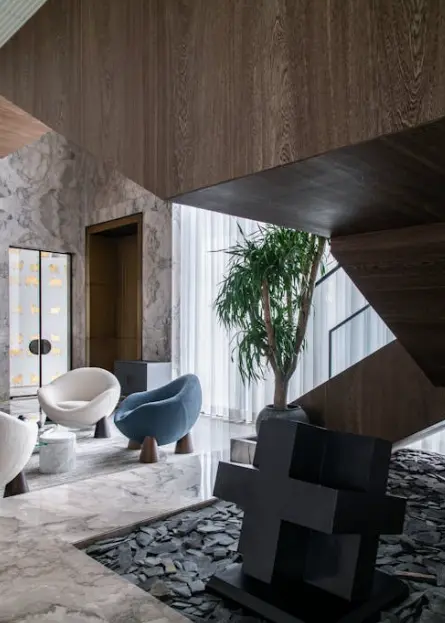
Interior design in 2026 is moving toward a more natural and grounded aesthetic that blends comfort with sophistication. Homeowners are increasingly drawn to materials that feel authentic, such as stone, clay, and natural wood. These elements create a sense of calm and connection to the environment, which many people crave in their living spaces. Designers are also incorporating more greenery and botanical influences to soften interiors and add a sense of vitality. The emphasis on organic textures helps create rooms that feel warm and inviting without sacrificing elegance. This shift reflects a broader cultural desire for balance, simplicity, and a deeper connection to nature. As a result, organic modern living is becoming one of the most influential design directions of the year.
Elevated Color Palettes and Rich Textures
Color trends in 2026 are leaning toward deeper, more expressive tones that add personality and depth to a room. Shades like burnt sienna, forest green, and midnight blue are becoming popular choices for accent walls, furniture, and decor. These colors pair beautifully with textured materials such as boucle, velvet, and woven fabrics, which add dimension and visual interest. Designers are also experimenting with layered textures to create spaces that feel dynamic and thoughtfully curated. This approach allows homeowners to express their individuality while maintaining a cohesive and sophisticated look. The combination of rich colors and tactile materials creates an environment that feels both luxurious and comfortable. This trend encourages creativity and boldness in personal design choices.
Personalized Spaces and Custom Design Solutions
As people spend more time at home, there is a growing desire for spaces that reflect personal tastes and support individual lifestyles. Custom built furniture, tailored storage solutions, and unique architectural details are becoming essential elements of modern interior design. Homeowners want spaces that feel truly their own, rather than relying on generic or mass produced pieces. This trend also includes the integration of multifunctional areas that adapt to different needs, such as work, relaxation, and entertainment. Designers are focusing on creating rooms that are both beautiful and highly functional, ensuring that every element serves a purpose. This level of personalization helps transform a house into a meaningful and expressive home. Many clients seek guidance from a Bay area interior designer to achieve this level of customization and thoughtful planning.
Technology Integration with a Human Touch
Technology continues to play a major role in interior design, but in 2026 it is being integrated in more subtle and human centered ways. Smart home systems are becoming more intuitive, allowing homeowners to control lighting, temperature, and entertainment with ease. However, designers are careful to ensure that technology does not overpower the aesthetic of the space. Instead, it is incorporated in ways that enhance comfort and convenience without drawing attention to itself. Hidden charging stations, built in speakers, and automated window treatments are examples of discreet tech integration. This approach allows homeowners to enjoy modern conveniences while maintaining a warm and inviting atmosphere. The goal is to create a seamless blend of innovation and comfort that supports everyday living.
Sustainable Design as a Standard Practice
Sustainability is no longer a trend but a fundamental expectation in interior design. In 2026, eco conscious choices are becoming standard practice, from selecting responsibly sourced materials to choosing energy efficient appliances. Designers are prioritizing products that have a lower environmental impact, such as recycled metals, reclaimed wood, and low VOC finishes. Homeowners are also becoming more aware of the long term benefits of sustainable design, including improved indoor air quality and reduced energy costs. This shift reflects a broader cultural movement toward environmental responsibility and mindful consumption. As a result, sustainable design is influencing everything from furniture selection to construction methods. The emphasis on sustainability ensures that homes are not only beautiful but also healthier and more environmentally friendly.
Conclusion
The interior design trends of 2026 reflect a desire for authenticity, comfort, and meaningful personalization. From organic materials to rich color palettes and sustainable practices, these trends highlight a shift toward thoughtful and intentional living. Homeowners are embracing spaces that support their lifestyles while expressing their individuality. As design continues to evolve, the focus remains on creating environments that feel both inspiring and deeply connected to the people who live in them.
Also Read
