
The Power of Geo-Fencing in Digital Marketing Success
Key Takeaways
- Geo-fencing enables precise, location-based targeting, enhancing ad relevance and engagement.
- Integration with AI and machine learning refines targeting strategies and campaign effectiveness.
- Various industries, including retail and events, leverage geofencing to improve customer engagement.
- Implementing geo-fencing requires careful planning to address privacy concerns and ensure compliance.
Understanding Geo-Fencing in Digital Advertising
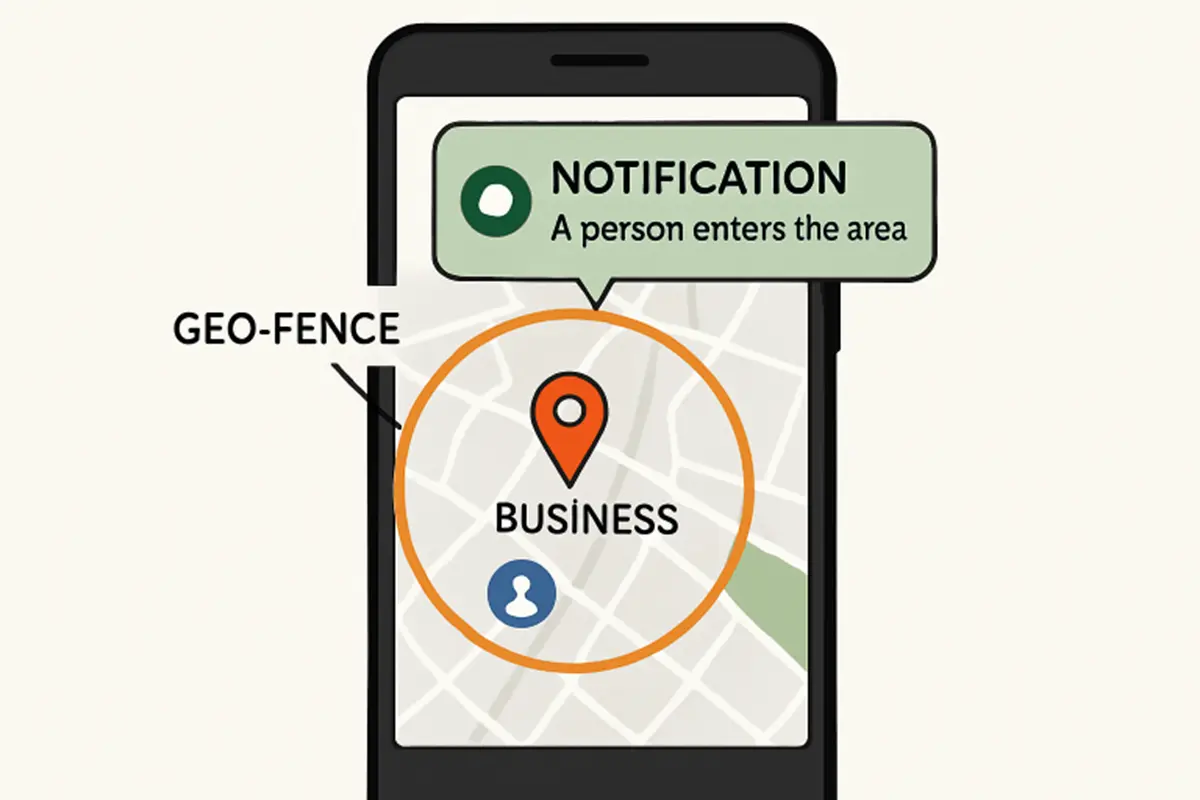
Geo-fencing is a dynamic technology that empowers marketers to set up virtual perimeters around specific geographic areas. By using GPS, Wi-Fi, or cellular data, advertisers can target and deliver messages to users as they enter, dwell within, or exit defined boundaries. This allows brands to use hyperlocal geofencing to reach nearby customers at precisely the right moment, resulting in more timely and relevant advertising.
This strategy is gaining popularity as it bridges the physical and digital worlds. Marketers have the unique ability to reach consumers not only based on their digital behavior but also on their real-world locations. The immediate proximity of consumers to a business location can trigger promotions, discounts, or branded messages delivered directly to their smartphones, significantly amplifying engagement rates.
As consumers increasingly turn to mobile devices for their daily needs, geo-fencing becomes a crucial tool for brands wishing to meet their audiences where they are. With granular targeting, advertisers can engage people with offers or information relevant to their current context, increasing the chances of meaningful interaction and higher conversion rates.
Geo-fencing is versatile, supporting applications that range from driving in-store foot traffic to providing event attendees with up-to-date information. Companies can harness geo-fencing to carefully tailor messaging, fostering brand loyalty and higher purchase intent by reaching consumers at pivotal moments in the decision-making process.
The Mechanics of Geo-Fencing
The inner workings of geo-fencing are rooted in real-time data processing and location tracking. When a mobile device with location services enabled enters a geo-fenced zone, the system can trigger several actions, such as sending push notifications, in-app messages, or serving targeted ads through mobile browsers and social media apps. The effectiveness of geo-fencing relies on three primary steps:
- Defining the Target Zone: Marketers create virtual boundaries around specific locations, such as a retail outlet or a stadium hosting a significant event. The size and shape of the area can be adjusted to meet campaign goals, ensuring the reach is neither too broad nor too narrow.
- Audience Detection: Mobile devices within the geo-fenced perimeter are recognized, provided users have enabled location permissions. This initial data capture is essential for building custom audience pools for either immediate or future retargeting efforts.
- Ad Delivery: Once detected, audiences receive relevant messages through their preferred channels, such as banners, app notifications, or even SMS. Timing can be immediate or part of ongoing retargeting sequences based on user movement within or beyond the geo-fenced area.
Benefits of Geo-Fencing in Advertising
Geo-fencing stands out as a powerful tool for advertisers seeking to maximize the efficiency and impact of their campaigns. Its ability to deliver targeted, location-specific ads results in several notable advantages:
- Precision Targeting: Reaching users based on their exact location increases the likelihood of ad engagement and desired actions, such as visiting a store or attending an event.
- Enhanced Customer Engagement: Tailored messaging, especially when it acknowledges a user’s proximity to a business, increases receptivity and brand affinity.
- Improved ROI: By tightening the audience focus to those most likely to convert, companies can reduce wasted ad spend and realize stronger conversion rates, a critical metric in modern digital advertising strategies.
For more on the strategic value of location-based advertising, this Forbes article provides valuable insights into how businesses can leverage these platforms effectively.
Integration with AI and Machine Learning
Artificial intelligence and machine learning are revolutionizing how geo-fencing campaigns are designed and executed. By analyzing vast amounts of user data, AI algorithms can identify patterns in consumer behavior, enabling brands to deliver hyper-personalized offers to individuals based on their interests, shopping habits, and visit frequency to specific locations.
Integrating AI with geofencing also enables predictive modeling, more intelligent segmentation, and improved message timing. Instead of relying on static rules, campaigns can dynamically adapt to real-time conditions, optimizing for factors such as time of day, local events, or even weather. This sophistication ensures not only better results but also a more seamless user experience, supporting loyalty and long-term brand relationships. You can learn more about these trends in this recent Adweek piece.
Industry Applications of Geo-Fencing
Geo-fencing is not limited to one sector. Retailers deploy it to alert customers of flash sales as they approach a storefront, boosting in-the-moment purchases. At large-scale events, promoters use geo-fencing to keep attendees informed about schedule changes, exclusive sessions, or partnered deals, all delivered directly to their phones. In hospitality, hotels and restaurants can send promos to travelers when they arrive in a new area, enticing them to visit or dine while they are in the area.
- Retail: Send special offers to boost foot traffic and drive impulse purchases.
- Events: Deliver real-time updates, guides, or exclusive content to enhance attendee experience.
- Hospitality: Target personalized deals to travelers moments after they land in a city or neighborhood.
Implementing Geo-Fencing: Best Practices
To maximize the benefits of geo-fencing, brands need to deploy thoughtful strategies. Start by defining clear campaign objectives. Are you aiming to drive in-store traffic, boost event attendance, or promote seasonal products? Clearly articulated goals guide all subsequent decisions.
- Set Precise Boundaries: Map out geo-fences carefully. The targeted area should match your audience’s likely movement patterns, but avoid casting too wide a net to maintain relevance.
- Craft Relevant Content: Keep messages concise and locally resonant. Tailoring the creative to a user’s location enhances the user experience.
- Monitor and Optimize: Use real-time analytics to review campaign results and refine your approach based on what works best.
Addressing Privacy Concerns
Consumer privacy is paramount in location-based marketing. It is critical to comply with regulations such as the GDPR and CCPA, which require explicit consent and transparency in data collection practices. Always inform users about what data is being collected and why, and provide straightforward ways for users to opt out.
Transparent policies and honest communication help cultivate trust, which is essential for sustained success in any digital advertising strategy.
Conclusion
Geo-fencing is a transformative tool in the digital advertiser’s arsenal, enabling brands to connect with consumers at the intersection of convenience and relevance. By leveraging real-time data, AI-driven insights, and adhering to industry best practices, businesses can deliver smarter, more effective campaigns. As the technology continues to evolve, a keen focus on privacy and user trust will remain central to building lasting consumer relationships and achieving marketing goals.
Also Read
