
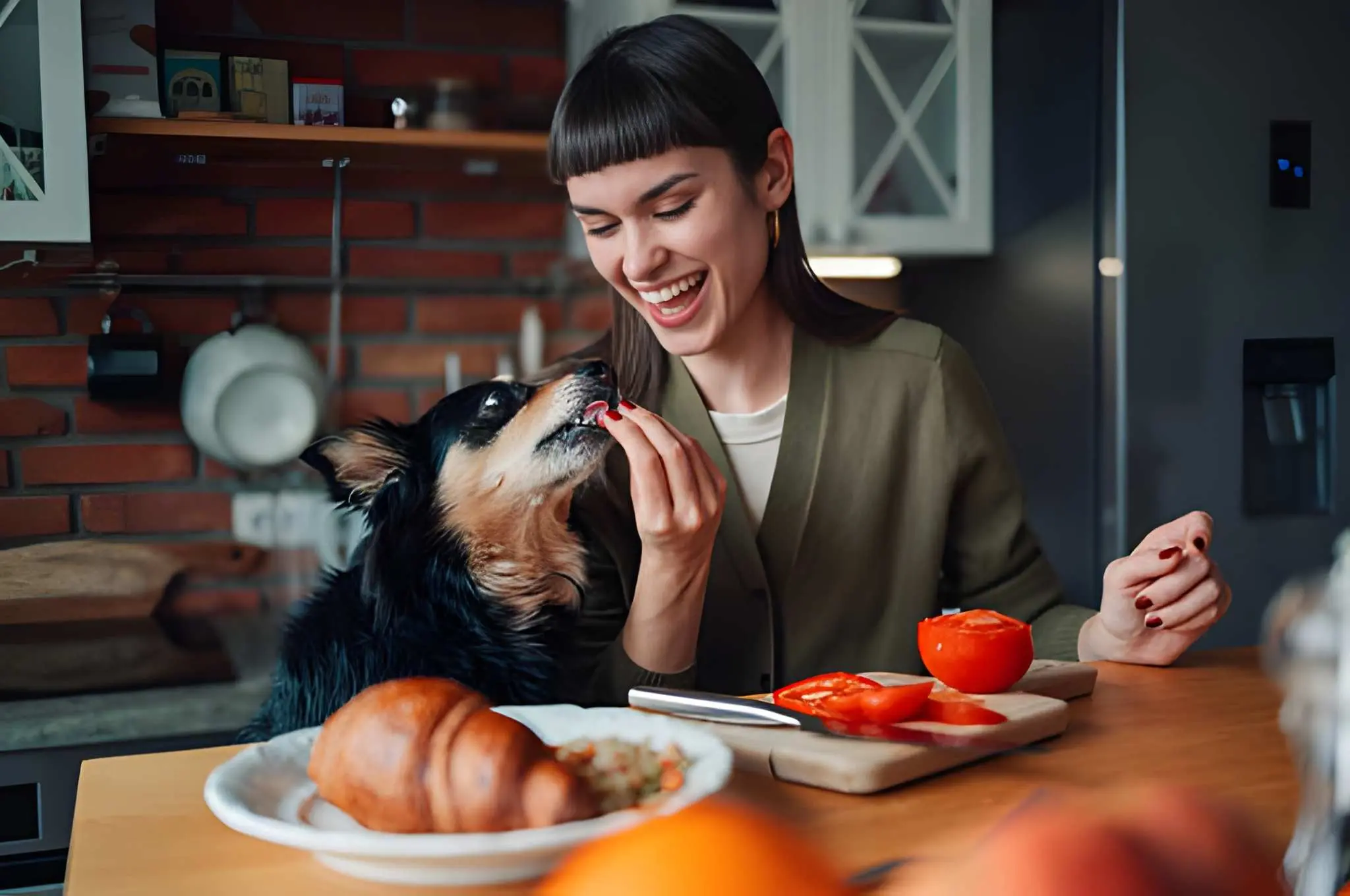
The Everyday Science of Sharing Food, Space, and Trust With the Animals We Love
Life with pets is made up of ordinary moments that end up mattering more than we expect. A dog circling the kitchen while dinner simmers. A cat stretching across a laptop keyboard like it owns the place, because it does. These small rituals shape the way animals read us and how we come to understand them in return. What looks casual from the outside is actually a layered relationship built through consistency, observation, and care. The bond does not appear overnight, and it does not rely on grand gestures. It grows through repetition, patience, and the willingness to meet an animal where it is instead of where we wish it would be.
Daily Routines That Build Trust Over Time
Animals are excellent pattern readers. They notice who fills the bowl, who remembers the evening walk, and who sits on the floor instead of looming overhead. These repeated interactions create a sense of safety that allows affection to follow naturally. When people talk about bonding with pets, they often picture cuddles or playful chaos, but the real glue is reliability. Feeding schedules, grooming habits, and even the tone of your voice at the end of a long day all contribute to how secure an animal feels in your presence.
This kind of trust is not flashy. It shows up when a nervous dog finally sleeps belly up or when a cat chooses your chair instead of the windowsill. Those choices are not random. They reflect a growing comfort that comes from knowing what to expect. Pets do not need perfection. They need steadiness and a sense that the world makes sense when you are around.
Food as Communication, Not Just Nutrition
Food sits at the center of many pet relationships, sometimes for better and sometimes for worse. Sharing food can feel intimate, especially when an animal watches every bite you take with deep focus and hope. Still, food works best as communication when it is offered thoughtfully. Treats given without structure can blur boundaries, while intentional feeding reinforces trust and clarity.
Animals quickly learn what behaviors lead to positive outcomes. A dog that waits calmly or a cat that approaches gently is responding to cues that you have shaped together. Food becomes a shared language rather than a shortcut. When handled well, it strengthens cooperation and reduces anxiety around meals, which can ripple into calmer behavior throughout the day.
Understanding Cats and the Human Urge to Share
Cats bring their own set of questions, especially when it comes to food. Their curiosity can look like hunger, but it is often driven by scent, texture, and routine. This is where many owners pause and wonder about safety, balance, and boundaries. The common question of can cats eat chicken usually comes from a place of care, not indulgence. Plain, unseasoned chicken can fit into a cat’s diet in small amounts, but the context matters more than the ingredient itself.
Cats thrive on consistency, and sudden changes can upset digestion or behavior. Offering human food occasionally should never replace a complete diet formulated for their needs. More importantly, sharing food should not become the main channel of connection. Cats bond through proximity, shared space, and respect for their independence far more than through snacks alone.
Body Language Tells the Real Story
Animals communicate constantly, even when they are not vocal. A slow blink from a cat or a dog leaning gently against your leg carries meaning that goes deeper than training commands. Learning to read these cues changes the relationship from one sided to mutual. It also prevents misunderstandings that can lead to stress on both sides.
Respecting signals builds confidence. When a pet turns away, stiffens, or flicks its tail, those are not acts of defiance. They are information. Responding appropriately teaches the animal that its boundaries matter, which in turn makes affection feel safer and more genuine when it is offered.
Shared Space and the Power of Presence
Pets do not need constant interaction to feel connected. Often, simply being in the same room is enough. A cat dozing nearby or a dog following you from room to room is participating in quiet companionship that mirrors human relationships more than we like to admit. Presence without pressure allows animals to relax and engage on their own terms.
This kind of togetherness is especially important in busy households. Pets learn the rhythm of daily life and find comfort in being included, even passively. Over time, shared space becomes shared understanding, and that understanding is what turns a house into a home for every species involved.
Care, Responsibility, and Emotional Payoff
Taking care of an animal is work, no matter how deeply you love them. Vet visits, grooming, training, and the occasional mess are part of the deal. What often goes unspoken is how much emotional grounding this responsibility can provide. Pets anchor daily life in tangible needs and routines, which can be stabilizing in ways that feel subtle but lasting.
The payoff shows up in moments of unprompted affection and trust. It shows up when an animal seeks comfort from you without being asked. Those moments are earned through care that is consistent, informed, and rooted in respect rather than control.
A Relationship Built in the Ordinary
Life with pets is not about mastering tricks or curating perfect moments. It is about showing up in small, repeatable ways that make an animal feel seen and safe. The relationship deepens through ordinary days stacked quietly on top of one another, through routines that feel boring until you realize they are the foundation of trust. In the end, the bond is less about what we give and more about how attentively we share our lives.
Also Read
