
How do Spray Foam and Attic Insulation Improve Whole-Home Efficiency?
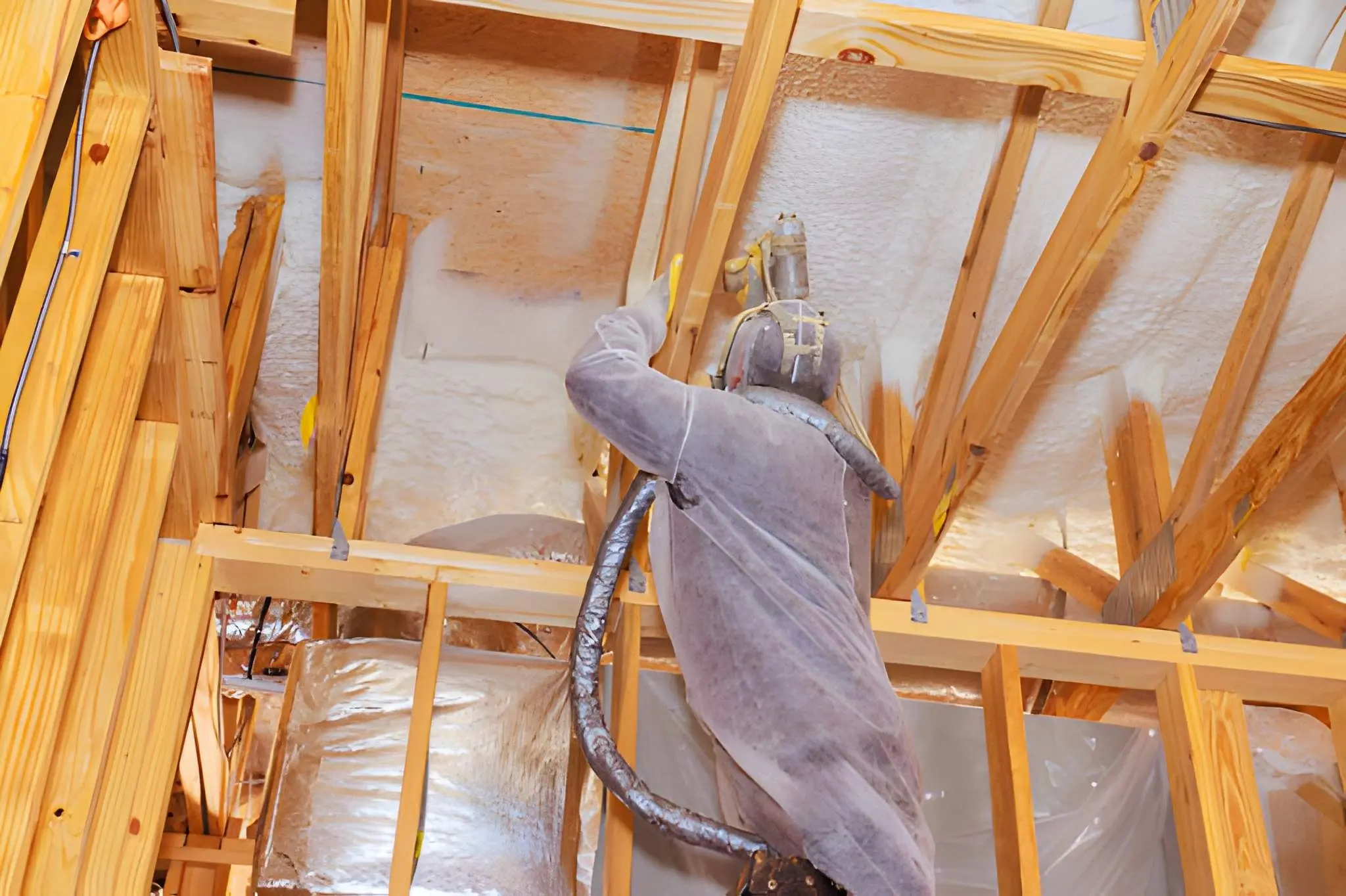
Spray foam and attic insulation influence how a home performs from the inside out, shaping comfort, energy use, and long-term durability. While walls and windows often receive the most attention, the attic remains one of the most influential areas in regulating indoor conditions. Heat movement, air leakage, and seasonal temperature swings all tend to concentrate at the top of a structure. When insulation strategies address these factors effectively, the entire home benefits. Spray foam has become a widely discussed option because it interacts differently with attic spaces than traditional materials. Understanding this interaction helps homeowners make informed decisions about comfort, efficiency, and everyday living conditions.
How insulation supports home performance
The Attic as Part of the Home’s Thermal Envelope
The attic plays a major role in forming the home’s thermal envelope, which separates indoor living areas from outside conditions. Spray foam insulation creates a continuous barrier that limits heat transfer through the roof and ceiling assembly. Unlike loose-fill or batt insulation, spray foam adheres directly to surfaces, reducing gaps where heat commonly escapes. This creates a more predictable indoor temperature pattern across seasons. When the thermal envelope remains intact, heating and cooling systems operate under steadier conditions, reducing the need for frequent adjustments. Over time, this consistency supports reduced temperature swings between floors and rooms. By treating the attic as an integrated part of the home rather than an isolated space, insulation strategies help maintain structural balance.
Installation Timing and Retrofitting Existing Homes
Attic insulation improvements are not limited to new construction; many existing homes benefit from upgrades. Spray foam can be applied during renovations or as part of energy efficiency improvements without altering living spaces. Timing matters because insulation installed after air leaks and structural gaps are addressed performs more effectively. During retrofit projects, contractors often assess airflow paths, roof condition, and existing materials before applying new insulation. Homeowners working with providers such as First Defense Insulation often focus on aligning insulation upgrades with broader home improvement plans. This coordination allows spray foam to perform as intended while minimizing disruption. Retrofitting attics with modern insulation materials helps older homes adapt to current comfort expectations and energy standards.
Influence on Indoor Air Quality and Acoustics
Spray foam insulation affects more than temperature control, as it also influences indoor air quality and sound transmission. By sealing gaps that allow outside air to enter, spray foam reduces the movement of dust, pollen, and outdoor pollutants into living spaces. This controlled air movement supports a cleaner indoor environment and helps maintain consistent humidity levels. Additionally, spray foam’s density can reduce sound transmission from external sources, such as traffic or weather. Attic insulation becomes part of a quieter, more controlled living environment rather than simply a thermal layer. These benefits contribute to a home that feels calmer and more comfortable throughout the day.
Seasonal Comfort Throughout the Year
Attic insulation plays a noticeable role during seasonal transitions when outdoor temperatures fluctuate. Spray foam helps stabilize indoor conditions by reducing the impact of sudden temperature changes. Homes remain cooler during warmer months and retain warmth more effectively during colder periods. This seasonal consistency reduces the need for frequent thermostat adjustments and helps maintain comfort across varying weather conditions. When insulation performs reliably year-round, homeowners experience fewer comfort disruptions tied to seasonal extremes.
Inspection, Longevity, and Ongoing Performance
The long-term performance of spray foam and attic insulation depends on proper installation and periodic inspection. While spray foam is durable, homeowners should have it inspected periodically to ensure it remains intact and effective. Roof repairs, moisture exposure, or structural changes can influence insulation performance over time. Inspecting attic spaces helps identify areas where insulation may need adjustment or reinforcement. Maintaining insulation performance supports consistent comfort and helps preserve the home’s thermal envelope. By viewing attic insulation as a long-term system rather than a one-time upgrade, homeowners can protect their investment and sustain indoor comfort for years to come.
Spray foam and attic insulation significantly affect a home’s temperature control, air movement, and overall comfort. By strengthening the attic’s role within the home’s thermal envelope, insulation helps maintain stable indoor conditions throughout the seasons. From retrofitting older homes to improving air quality and reducing noise, these materials influence daily living in meaningful ways. Thoughtful insulation planning helps homeowners address comfort challenges at their source rather than relying on constant adjustments. When attic insulation is approached with long-term performance in mind, it becomes a foundational element of an efficient and comfortable home.
Also Read-When a Business Line of Credit for Small Business Makes Strategic Sense
