
How Americans Can Support Children in War Zones Through Trusted US Charities?
Imagine a child who wakes up not to the sound of an alarm clock, but to the distant thud of artillery. For millions of children worldwide, this isn’t a scene from a movie, it’s Tuesday. Right now, global conflicts are intensifying, leaving a generation of young people to navigate the rubble of their own neighborhoods.
But here is the exhilarating part: your desire to help has never been more powerful. By connecting with the right charity organizations in the USA, you can transform that impulse to help into a lifeline that restores safety, education, and hope to a child half a world away.
Why children in war zones need targeted support?
Conflict affects children differently from adults. Beyond physical danger, war disrupts:
- Access to education
- Mental health stability
- Family structures
- Community safety
- Long-term economic opportunity
According to UNICEF, nearly 468 million children live in conflict-affected areas worldwide.
Source: https://www.unicef.org/reports/state-of-the-worlds-children-2023
These children face interrupted schooling, trauma exposure, and heightened vulnerability to exploitation. Supporting them requires more than short-term aid. It demands sustained, specialized programs.
What makes a charity trustworthy?
Not all humanitarian groups operate with the same transparency or impact. When evaluating charity organizations in the USA, look for these essential qualities:
1. Clear mission focus
The organization should specialize in serving children in conflict settings, not operate broadly without clear expertise.
2. Transparent financial reporting
Annual reports and audited financial statements should be publicly available.
3. Community-based programming
Effective charities work with local leaders and educators rather than imposing outside solutions.
4. Long-term commitment
Recovery from war requires multi-year investment, not one-time interventions.
5. Measurable outcomes
Look for evidence of program results, such as children enrolled in school, families supported, or communities stabilized.
Organizations that focus on education, child protection, and psychosocial recovery often create the strongest long-term impact.
The Most Effective Ways Americans Can Help
Supporting children in war zones does not require international travel. It requires strategic giving and advocacy.
1. Fund education programs
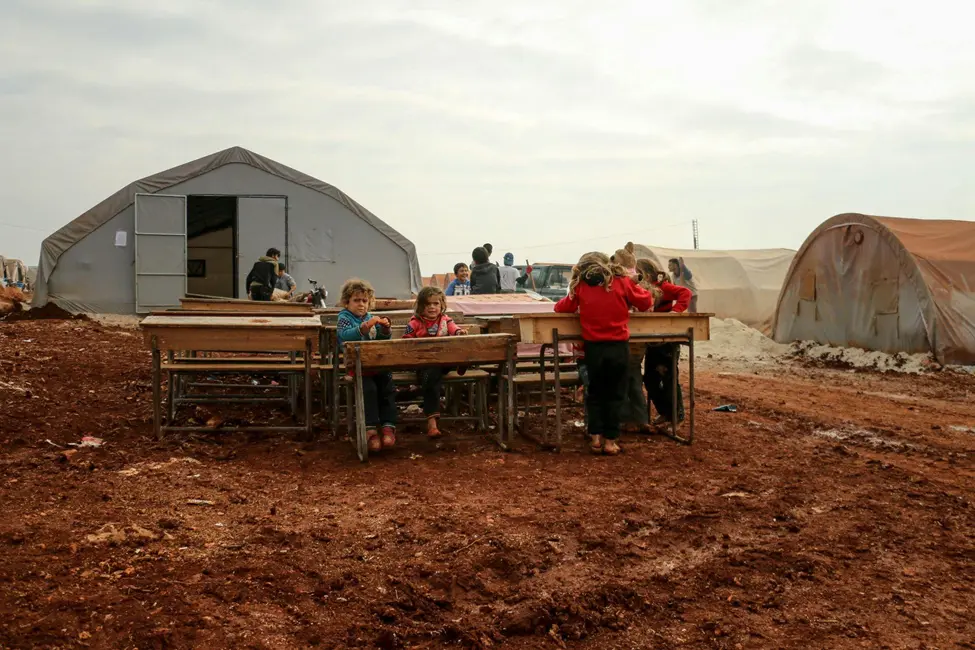
Education restores routine, stability, and hope. In conflict zones, schools often operate in temporary shelters or community spaces.
Your donation can help provide:
- Learning materials
- Teacher training
- Safe classroom spaces
- Catch-up education for displaced children
Education reduces the risk of child labor, exploitation, and early marriage.
2. Support child protection initiatives
War increases the risk of trafficking, recruitment into armed groups, and abuse. Trusted charity organizations in USA implement child protection systems that:
- Train community caseworkers
- Identify at-risk children
- Provide family reunification services
- Offer safe spaces for girls and vulnerable youth
Protection programs safeguard children beyond immediate humanitarian relief.
3. Invest in mental health and psychosocial support
Trauma can last long after the conflict subsides. Many nonprofit organizations now prioritize psychosocial care.
Programs may include:
- Group counseling
- Peer support networks
- Trauma-informed teaching methods
- Safe recreational spaces
According to the World Health Organization, one in five people in conflict settings experiences a mental health condition.
Source: https://www.who.int/news-room/fact-sheets/detail/mental-disorders
Addressing trauma early improves long-term recovery and resilience.
4. Choose recurring giving over one-time donations
Monthly contributions allow organizations to:
- Plan multi-year programs
- Maintain staffing stability
- Expand reach
- Respond quickly to emerging crises
Sustainable funding strengthens program continuity.
5. Engage beyond financial donations
Americans can also:
- Host educational events in schools or faith communities
- Share verified information on social media
- Advocate for child-focused foreign aid policies
- Encourage workplaces to match charitable contributions
Collective awareness amplifies impact.
How to Identify a Trusted Humanitarian Partner
Don’t let “donor fatigue” or fear of scams stop your generosity. Use this checklist to verify that your chosen organization is the real deal:
| Feature | What to Look For | Why It Matters |
| Registration | Valid 501(c)(3) status on the IRS Tax Exempt Organization Search tool. | Ensures the charity is legal and your donation is tax-deductible. |
| Efficiency | At least 75% of funds are directed toward programs rather than overhead. | Guarantees that the majority of your dollar helps a child directly. |
| Transparency | Publicly available Annual Reports and Audited Financials. | Proves the organization is accountable for every cent spent. |
| Ratings | High scores on Charity Navigator or a Platinum Seal of Transparency from Candid (GuideStar). | Third-party validation of the charity’s health and ethics. |
The power of community-based recovery
The most effective humanitarian programs strengthen communities, not just individuals. Key principles include:
- Training local educators
- Supporting parents and caregivers
- Building child-friendly spaces
- Encouraging youth leadership
Children recover faster when their communities rebuild alongside them.
A Practical Path Forward
You don’t need to stand in a conflict zone to change a child’s future. Strategic support through vetted humanitarian nonprofits enables education continuity, trauma recovery, and community rebuilding.
By partnering with accountable charity organizations in the USA, Americans can move beyond sympathy and create a structured, long-term impact for children living through war.
The question is no longer whether you can help. The real question is: How many childhoods can you help rebuild today?
Also Read
