
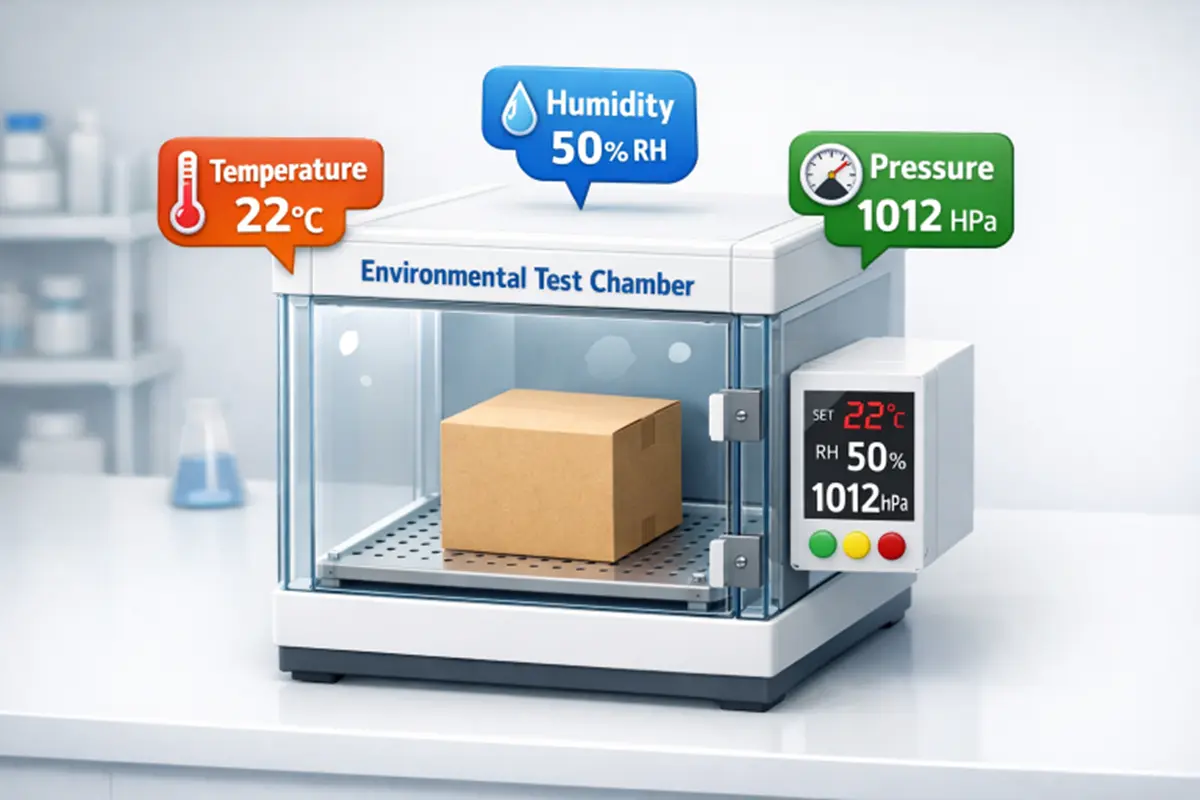
Environmental Test Chambers in Modern Product Development
Key Takeaways
- Environmental test chambers simulate real-world conditions to evaluate product durability and reliability.
- They are crucial across industries such as automotive, electronics, aerospace, and pharmaceuticals.
- Advancements in technology have led to more efficient and customizable test chambers.
- Proper selection and use of test chambers can significantly reduce product development time and costs.
Environmental test chambers play a critical role in shaping the journey of product development, acting as the interface between creativity and reliability. These highly controlled environments allow manufacturers to evaluate how products respond to temperature, humidity, pressure, and other variables, ensuring their products are built to last. Selecting the right environmental chamber manufacturer ensures that companies can replicate challenging real-world conditions accurately, bolstering their confidence in product performance from concept to launch.
By incorporating environmental testing into the early stages of product development, companies reduce costly recalls and avoid failures after launch. Today, diverse industries, from automotive and aerospace to electronics and pharmaceuticals, depend on these chambers to test and refine their innovations. The evolving capabilities of test chambers support shorter development cycles without compromising quality, resulting in faster market readiness and greater consumer satisfaction.
Understanding Environmental Test Chambers
An environmental test chamber is a sophisticated enclosure engineered to replicate the environmental stresses products endure over their life cycles. By precisely controlling variables such as temperature fluctuations, humidity swings, and pressure differentials, manufacturers can simulate years of use in a matter of days or weeks. This predictive insight is invaluable for engineers striving to improve product longevity and reliability.
These chambers are particularly vital in regulated industries where standards demand rigorous performance under adverse conditions. A well-designed environmental testing protocol helps companies achieve not only compliance but also consumer trust and market differentiation.
Applications Across Industries
Environmental test chambers serve as versatile assets across multiple sectors, facilitating innovation and risk reduction:
- Automotive: Extreme heat and cold testing expose vehicle components like batteries and electronics to ensure occupant safety and vehicle longevity.
- Electronics: Assessments target how circuit boards and semiconductors endure thermal cycles and humidity, which is essential for gadgets and computing devices used globally.
- Aerospace: Components face high-altitude simulations and rapid pressure changes, confirming that controls and materials will not fail during flights.
- Pharmaceuticals: Stability and shelf-life studies require consistent climatic conditions to forecast how medicines will behave across climates and storage environments.
Reliable testing procedures help these industries minimize risks and costs while maximizing confidence in their final products. As outlined by SME’s overview of modern environmental testing, test chambers are becoming indispensable for companies wishing to advance their manufacturing processes.
Advancements in Test Chamber Technology
Recent technological progress has revolutionized the design and function of environmental test chambers. Smart sensor networks and automated control algorithms allow for nuanced, real-time monitoring and adjustment, enabling ultra-precise environmental replication. Predictive maintenance features identify component wear or failure before they lead to downtime, ensuring uninterrupted testing schedules.
Customization options now range from extended temperature bandwidths to integrated vibration tables and programmable aerosol dispersal. These enhancements expand the realm of possibilities for realistic scenario simulation, supporting everything from rugged outdoor gear assessments to highly specialized medical device trials. Test data is captured continuously and analyzed with advanced software, enabling engineers to make rapid, informed decisions throughout development.
As the Internet of Things (IoT) becomes more interwoven with manufacturing, many environmental test chambers can now be remotely monitored and controlled, providing real-time updates and alerts directly to engineers’ devices or organizational cloud platforms. These smart integrations improve troubleshooting efficiency and allow for predictive data analytics, making it easier to spot emerging issues and trends faster than traditional systems.
Furthermore, sustainability is beginning to shape the future of environmental test chambers. Manufacturers are exploring new technologies to minimize energy consumption, utilize recyclable construction materials, and reduce waste. By embracing green practices and energy-saving features, industry leaders are demonstrating a commitment to both regulatory compliance and social responsibility, a trend that is likely to continue as environmental regulations become stricter globally.
Choosing the Right Test Chamber
Selecting a test chamber aligns closely with your product needs and compliance demands. Factors to consider include the specific environmental variables you need to replicate, the physical dimensions of the products or prototypes, and the standards required in your industry, such as ISO, IEC, or FDA regulations. Manufacturers often seek modular or multi-environment chambers that can efficiently test several stressors simultaneously, reducing both footprint and capital outlay.
Ease of integration with existing lab infrastructure, energy efficiency, maintenance support, and remote access capabilities are additional considerations influencing procurement. Collaborating with experienced test chamber providers helps organizations configure units tailored for both current and future needs, supporting streamlined operations and sustainable innovation.
It is also essential to consider the scalability of the test chamber as product lines expand or testing needs evolve. Modular systems and easily upgradeable components allow companies to adapt to changing requirements without incurring the costs associated with completely new equipment purchases. Investing in scalable solutions supports long-term innovation and ensures that the test chamber remains a cornerstone of an organization’s quality assurance strategy.
Impact on Product Development
Integrating environmental testing during the design and prototyping stages is proven to unearth latent weaknesses, which can be fixed before products reach mass production. This approach reduces the likelihood of costly recalls, ensures steady regulatory compliance, and shortens time to market by avoiding unforeseen failures after launch.
It also strengthens a brand’s reputation by delivering goods that meet or exceed consumer expectations for durability and reliability. As environmental awareness grows and new regulations emerge, environmental testing becomes even more essential for companies determined to lead through quality and responsible innovation.
With the rise of global supply chains and distributed manufacturing, environmental test chambers facilitate consistent product validation irrespective of where production occurs. This is particularly beneficial for multinational organizations that must harmonize product standards across various regions. Such global consistency fosters confidence among international consumers, regulators, and business partners.
Conclusion
Environmental test chambers are essential to modern product development, offering companies the tools to build resilient, high-quality products that can thrive in any condition. Technological advancements in testing capabilities continue to raise the standard for accuracy, efficiency, and predictability. Across industries, the integration of robust environmental testing fortifies trust and reliability, ensuring that products live up to expectations in the global marketplace.
Also Read
