
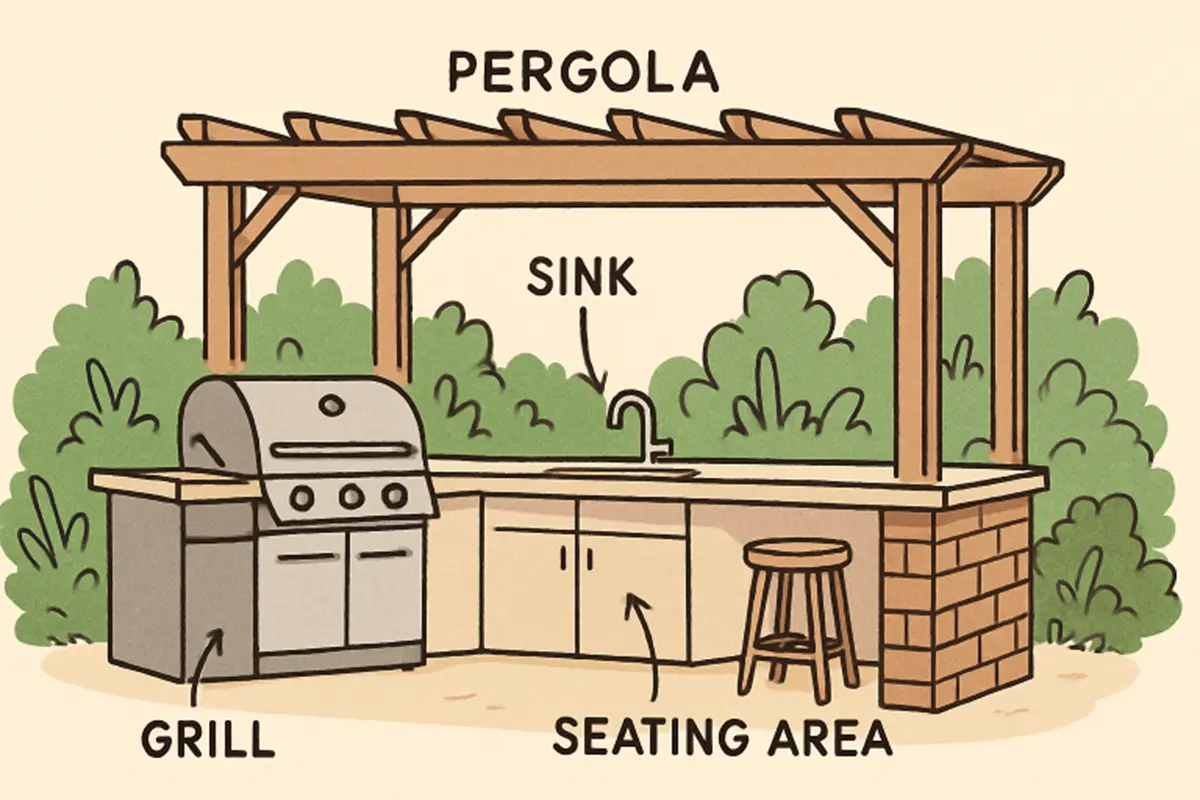
Designing a Functional Outdoor Kitchen: Essential Tips and Considerations
Key Takeaways
- Choose durable, weather-resistant materials for longevity.
- Plan the layout for efficient workflow and accessibility.
- Incorporate adequate storage and lighting for convenience.
- Integrate shelter and shade to enhance comfort.
- Include essential appliances and consider integrating smart technology.
Planning an outdoor kitchen is a rewarding way to increase usable living space and elevate your culinary adventures. With the right approach, you can design a space that meets your needs and thrives despite the demands of the outdoors. For anyone curious about building outdoor kitchens, knowing where to start makes all the difference.
From selecting resilient materials to ensuring proper lighting and incorporating must-have appliances, every detail counts. A thoughtfully designed outdoor kitchen not only enhances cooking and entertaining but also adds lasting value to your home. Paying attention to layout, shelter, and technology is essential for creating a truly useful space.
Besides materials and appliances, your outdoor kitchen should address practical challenges of cooking outdoors: keeping supplies secure, protecting food and equipment from the elements, and ensuring your setup is easy to maintain. Blending utility with comfort transforms this space into a focal point for gatherings.
1. Selecting Durable Materials
Materials are the foundation of any outdoor kitchen. Stainless steel is widely recognized for its ability to withstand rust and corrosion, making it ideal for cabinetry and appliances. Countertops crafted from granite, concrete, or natural stone offer both strength and aesthetic beauty, enduring heavy use through changing seasons.
Opt for materials specifically designed for exterior use to resist fading, warping, and deterioration. Sealed stone and weather-treated woods are also excellent for enduring exposure, though regular maintenance is essential to extend their lifespan.
2. Planning the Layout
Efficiency is key when arranging your outdoor kitchen’s layout. Consider adopting the “kitchen triangle” principle, where the grill, sink, and refrigerator are arranged in a triangle to minimize steps between the essential zones. This arrangement makes meal preparation and entertaining simpler by keeping everything within easy reach.
Ample counter space is important for prepping and serving food, especially during gatherings. Keep high-traffic walkways clear and ensure there is a logical, accessible path between cooking, prepping, and seating areas. Tailoring the design to your property and lifestyle ensures maximum utility and ease of use.
3. Incorporating Adequate Storage
Smart storage solutions are essential to keep your space neat and organized. Weatherproof cabinetry stores utensils, cookware, and serving dishes, keeping them safe from the elements year-round. Adding a dry pantry or sealed storage area ensures that essentials like spices and non-perishable ingredients stay fresh and accessible.
Convenient storage reduces trips indoors and ensures your kitchen works as seamlessly as your primary cooking space. Organization not only makes cooking more enjoyable but also preserves the condition of your tools and supplies.
4. Ensuring Proper Lighting
Lighting sets both the atmosphere and the functionality of your outdoor kitchen. Task lighting, such as pendant lights or focused LEDs, is crucial above cooking zones, prep surfaces, and the sink. Proper illumination improves safety and simplifies meal preparation after sunset.
Ambient lighting, such as string lights, sconces, or under-counter LEDs, creates a welcoming mood and enables comfortable evening gatherings. Layering your lighting options ensures you can create the right vibe for every occasion. Find more inspiration for outdoor lighting solutions at HGTV.
5. Providing Shelter and Shade
Comfort and protection go hand in hand in the outdoors. Pergolas, canopies, or retractable awnings shield you and your appliances from harsh sun or unexpected rain. These structures not only enhance usability but also safeguard your investment by reducing exposure to weather-related wear and tear.
Strategic shade can also cool your food prep zones and improve energy efficiency if cooling appliances are part of your kitchen design. Incorporating elements that offer both function and visual interest can transform your patio into a standout retreat.
6. Including Essential Appliances
Your cooking preferences should guide your appliance selection. A high-quality grill is a must for most outdoor kitchens. For variety, add a pizza oven, smoker, or side burners for expanded options. Refrigerators and beverage centers keep drinks cold and ingredients fresh, so you can spend more time outdoors without trips inside.
Always choose outdoor-rated appliances meant to tolerate temperature fluctuations and increased moisture. Investing in proper equipment ensures a reliable, safe, and long-lasting outdoor kitchen.
7. Integrating Smart Technology
Technology can add ease and excitement to your outdoor cooking. Wi-Fi-enabled grills and smokers let you control them via smartphone or tablet, taking the guesswork out of grilling. Voice-activated lighting systems or app-controlled sound options create a tailored environment for any event.
As outdoor kitchens become more advanced, these conveniences are increasingly affordable and popular, streamlining both food prep and entertaining for a seamless user experience.
8. Considering Climate and Maintenance
Your climate directly affects the materials and features you should select. For those in humid, coastal, or rainy areas, prioritize components engineered for moisture resistance and rustproof finishes. Regularly clean surfaces, inspect gas lines, and cover or store appliances in the off-season to protect your investment and keep your kitchen ready for action year after year.
With thoughtful planning, you can create an outdoor kitchen tailored for function, style, and enjoyment. This space becomes a hub for relaxation and socializing while boosting your home’s appeal.
