
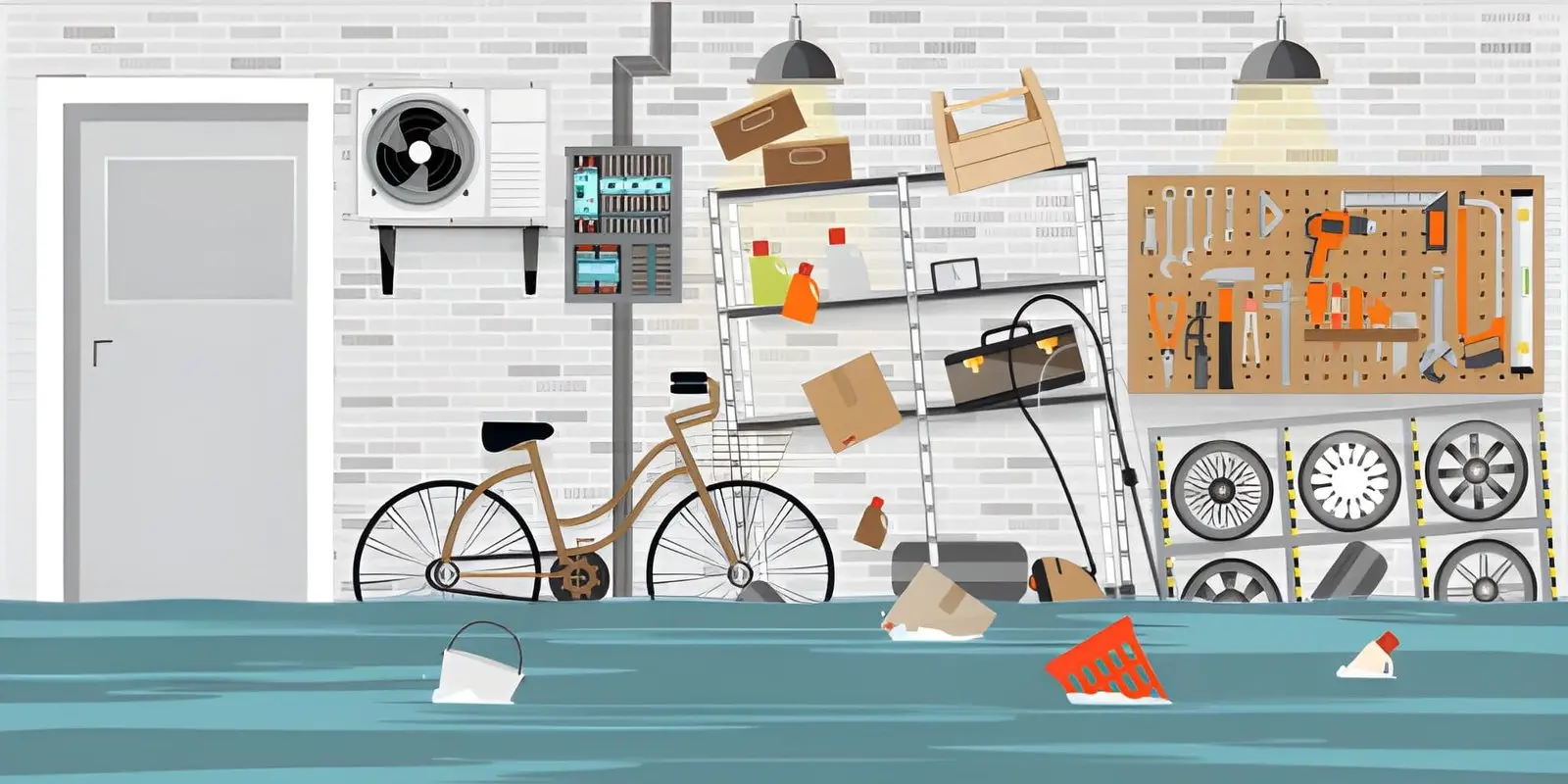
Causes of Basement Flooding and How to Prevent Them
Basement flooding can happen faster than most people expect. One heavy rain, a small crack, or a clogged drain, and suddenly you’re dealing with water where it shouldn’t be. It’s stressful, messy, and honestly expensive if you don’t act early.
The good news is that most basement flooding issues don’t just happen out of nowhere. There’s usually a clear cause. If you know what to look for, you can stop the problem before it gets worse.
Let’s break down the most common causes and what you can actually do about them.
Why Basement Flooding Happens
At its core, basement flooding is all about water finding a way in. Your basement sits below ground level, so it’s naturally more exposed to moisture. When water builds up around your home, it creates pressure against your foundation. If there’s even a small weak spot, water will push through.
Sometimes it’s a drainage issue. Other times it’s structural. And in some cases, it’s just poor maintenance over time.
Top Causes of Basement Flooding
Heavy Rain and Poor Drainage
This is probably the most common reason. When it rains heavily, the ground around your home gets saturated. If the water has nowhere to go, it starts pooling near your foundation.
Once that happens, it’s only a matter of time before it seeps inside.
How to prevent it:
- Clean your gutters regularly.
- Make sure downspouts push water at least a few feet away.
- Check your yard slope and make sure water flows away from your home.
Cracks in Foundation Walls or Floors
Even small cracks can let water in. You might not notice them right away, but over time, they get worse. Water slowly seeps through and builds up inside your basement.
This is one of those issues people ignore until it turns into a bigger problem.
How to prevent it:
- Inspect your basement walls and floors every few months.
- Seal small cracks as soon as you see them.
- Get a professional inspection if cracks keep coming back.
Clogged or Broken Gutters
Gutters are supposed to guide water away from your home. But when they’re clogged with leaves or debris, they overflow. That water ends up right next to your foundation.
It’s simple, but it causes damage if ignored.
How to prevent it:
- Clean gutters at least twice a year
- Install gutter guards if possible.
- Check for leaks or sagging sections.
Sump Pump Failure
If you have a sump pump, it’s your first line of defence. It’s supposed to pump water out before it builds up. But if it fails, your basement can flood pretty quickly.
Power outages during storms are a big reason this happens.
How to prevent it:
- Test your sump pump regularly.
- Install a battery backup system.
- Replace old or worn-out units.
Sewer Backup
This one is not just messy, it’s a serious health risk. During heavy rain, sewer systems can get overwhelmed. When that happens, water can flow back into your home through drains.
It’s not something you want to deal with, trust me.
How to prevent it:
- Install a backwater valve.
- Avoid flushing anything that can clog pipes.
- Schedule regular plumbing checks.
Poor Yard Grading
If your yard slopes toward your house instead of away from it, water will move in the wrong direction. Over time, that water builds up near your foundation and finds its way inside.
It’s a slow problem, but it adds up.
How to prevent it:
- Adjust the slope of your yard if needed.
- Add soil around your foundation.
- Consider installing a drainage system.
Warning Signs Your Basement May Flood
Basement flooding usually gives some warning signs before it gets bad. You just have to pay attention.
Look out for:
- A damp or musty smell
- Water stains on walls or floors
- Visible cracks in the foundation
- Small puddles after rain
If you notice any of these, don’t ignore them. They’re early signs that water is already getting in.
How to Prevent Basement Flooding
Preventing flooding isn’t about one big fix. It’s about doing a few small things consistently.
Here’s what helps the most:
- Keep gutters and downspouts clean.
- Check your foundation regularly.
- Make sure water drains away from your home.
- Test your sump pump before rainy seasons.
- Fix small issues before they turn into big ones.
A little maintenance goes a long way here.
When to Call a Professional
Some problems are easy to handle on your own. But others need expert help.
You should call a professional if:
- Flooding keeps happening
- You see large cracks or structural damage.
- There’s mould or a strong musty smell.
- You’re dealing with sewage backup.
Waiting too long can make things worse and more expensive. When you bring in specialists like Spartan Restoration Inc., you get more than just a quick fix. They know how to pinpoint where the water is coming from and address the underlying issues, saving you time, stress, and future repairs.
Conclusion
Basement flooding is a common problem, but it’s also preventable. Most of the time, it comes down to drainage, maintenance, and catching issues early. If you stay on top of it, you can avoid stress and costly repairs. If you’re already seeing signs of water damage, don’t wait. Taking action now can save you trouble later.
Also Read
