
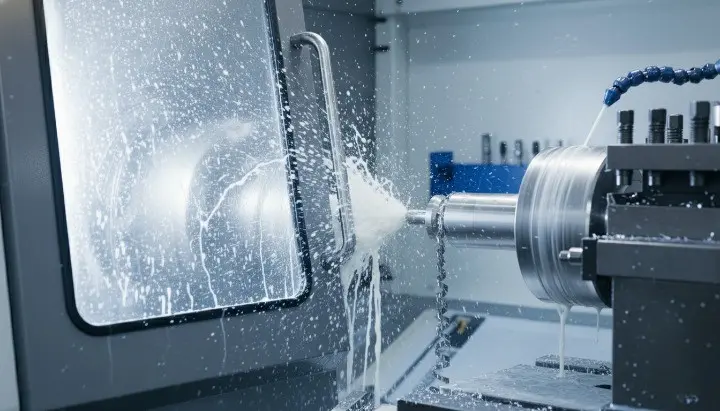
A Technical Guide to Custom CNC Machining
In the landscape of modern manufacturing, precision, speed, and customization are paramount. Achieving these goals requires advanced fabrication methods that can translate complex digital designs into tangible, high-quality parts. Custom CNC (Computer Numerical Control) machining stands out as a leading technology, offering unparalleled accuracy and versatility for producing components across a vast range of industries. This guide provides a technical overview of the custom CNC machining process, its applications, and the significant benefits it offers.
Understanding the Custom CNC Machining Process
At its core, custom CNC machining is a subtractive manufacturing process. It involves using computer-controlled machinery to selectively remove material from a solid block (workpiece) to create a final part based on a 3D CAD (Computer-Aided Design) model. The process begins with the creation of this digital file, which contains the precise geometric specifications for the component. This file is then translated into a specific machine code, typically G-code, which directs the cutting tools.
The CNC machine executes these commands with exceptional precision. It controls the movement of multi-axis cutting tools like mills, lathes, and grinders to shape the material. This automated process ensures every cut, drill, and turn is performed according to the design, resulting in parts with extremely tight tolerances and high repeatability. This level of control makes custom cnc machining ideal for creating everything from simple components to highly complex geometric forms that would be impossible to produce with manual techniques.
Key Applications and Benefits
The versatility of custom CNC machining allows it to be used in nearly every sector, including aerospace, automotive, medical, and consumer electronics. It is the go-to method for rapid prototyping, allowing engineers to create and test functional parts quickly. It is also essential for low- to mid-volume production runs where creating expensive molds for injection molding is not cost-effective. The ability to work with a wide variety of materials, from plastics and composites to metals like aluminum, steel, and titanium, further expands its applications.
The primary benefits include:
- Precision: Achieves tight tolerances that are repeatable across thousands of units.
- Efficiency: Automated processes reduce manufacturing time and labor costs.
- Flexibility: Easily accommodates design changes and works with a vast array of materials.
- Complexity: Capable of producing intricate parts with complex geometries.
Choosing the Right Machining Partner
Selecting a proficient manufacturing partner is crucial for leveraging the full potential of this technology. An expert provider offers more than just machining capabilities; they provide comprehensive engineering support. A company like 91mns works with clients to optimize designs for manufacturability, helping to reduce costs and shorten delivery times without compromising quality. This partnership ensures that every project, from a single prototype to a small batch production, meets the highest standards of quality and precision.
For your next project requiring high-precision, reliable components, consider the advantages of working with an experienced CNC machining expert. To learn more about how custom CNC machining can bring your designs to life or to get a quote for your project, visit 91MNS Tech today.
