
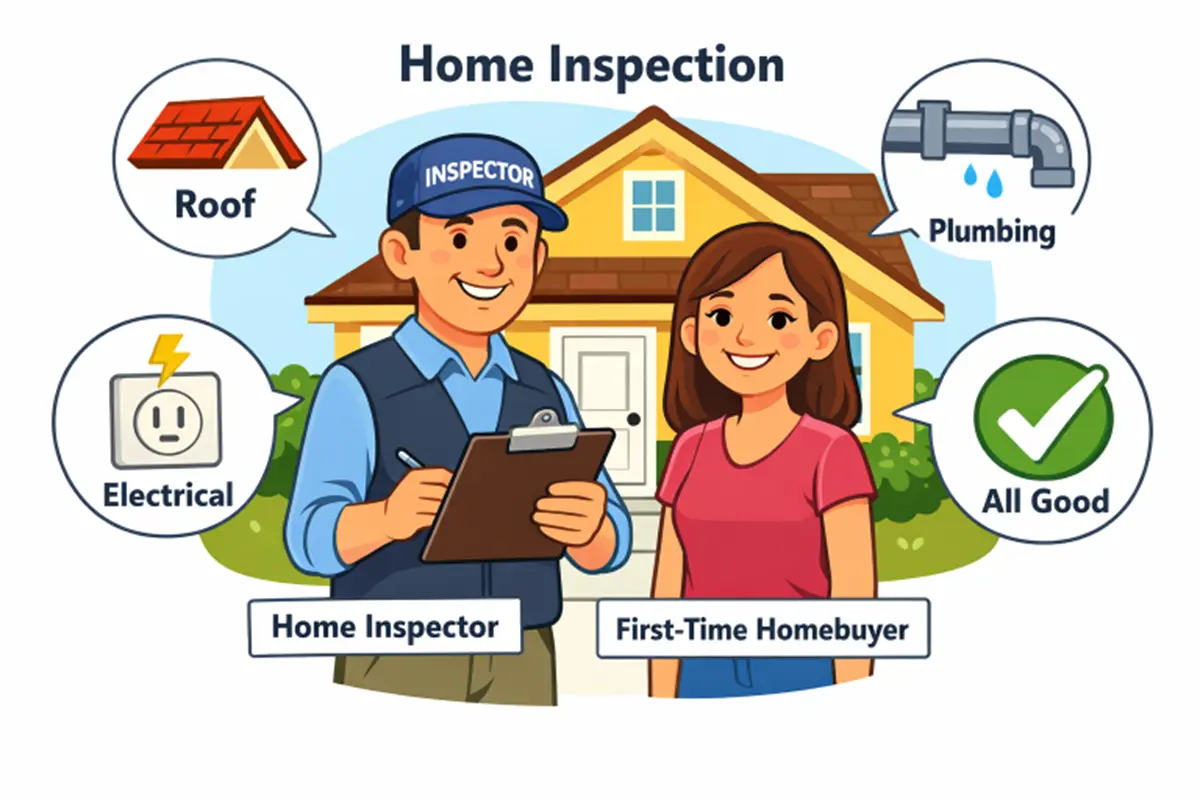
Home Inspection Tips for First-Time Homebuyers
Key Takeaways
- A thorough home inspection identifies problems early and helps avoid unexpected repair expenses.
- Select a reputable inspector, attend the inspection, and ask questions to maximize value from the process.
- Recognize common issues discovered during inspections and learn how to prioritize or address them with the seller.
Table of Contents
- The Importance of Home Inspections
- Choosing the Right Home Inspector
- Preparing for the Inspection
- Common Issues Found During Inspections
- Post-Inspection Steps
- Negotiating Repairs with the Seller
- Finalizing the Purchase
- Maintaining Your New Home
Embarking on the journey of purchasing your first home is both exciting and filled with crucial decisions. Among the most important steps in this process is the home inspection, a vital evaluation that determines the overall condition of your prospective property. This invaluable process not only uncovers hidden issues but also gives you peace of mind before making a significant investment. If you are looking for trusted professionals, the best home inspection in Fairfax VA can guide you through the most important aspects of home inspections, ensuring you make informed choices along the way.
Understanding the ins and outs of a home inspection will help you avoid surprises after moving in. It’s an opportunity to truly get to know your potential new home and protect yourself from unexpected expenses tied to undetected issues. By approaching this step carefully, first-time buyers can secure their investment, negotiate repairs, and step confidently into homeownership.
The Importance of Home Inspections
A home inspection is a detailed review of a property’s visible and accessible systems and components. This process lets buyers discover serious issues, such as structural deficiencies, water damage, or outdated electrical panels, before proceeding to closing. Skipping the inspection can mean inheriting costly repairs later. Even newly-built homes can have defects, making inspections essential regardless of the property’s age.
Choosing the Right Home Inspector
Not all inspectors offer the same level of expertise. Start by requesting referrals from your real estate agent, friends, or relatives who have recently purchased homes in your area. Verify that the inspector is licensed (if required in your state) and check online reviews to see how previous clients rate their experiences. Always inquire about their experience level and whether they’re involved in professional organizations like the American Society of Home Inspectors. Thorough vetting increases the likelihood of a detailed and unbiased inspection report, offering you greater confidence in your purchase decisions.
Preparing for the Inspection
Preparation before the inspection ensures you maximize its benefits. Make a list of specific concerns about the property, such as odd odors, visible stains, or cracked walls. Plan to attend the inspection so you can ask the inspector about any findings and discuss their significance. Bring a notepad or use your phone to document your own questions and observations as you walk through the property. Your direct participation not only clarifies issues but also ensures you understand which concerns are urgent and which can be addressed down the road.
Common Issues Found During Inspections
Most homes, even those that appear well-maintained, have some flaws uncovered during inspection. These problems can range from simple to severe. Common findings include:
- Foundation cracks or roof wear that may affect structural integrity
- Electrical issues, such as loose outlets or outdated panels
- Leaky pipes, water stains, or corroded plumbing fixtures
- Faulty heating or cooling systems
- Signs of water in basements or crawl spaces
- Mold, which can affect both health and resale value
Knowing which issues are typical and how they might impact your future ownership can help clarify negotiation priorities and long-term maintenance needs. It’s important to focus especially on issues posing health and safety risks.
Post-Inspection Steps
Once you receive the inspection report, review it carefully with your real estate agent. Decide which issues are critical enough to request repairs or price concessions from the seller. Prioritize items that affect the home’s safety, functionality, or compliance with local regulations. Organize your list of concerns so your negotiations with the seller remain clear and focused on urgent problems rather than cosmetic defects that don’t affect the value or livability of the property.
Negotiating Repairs with the Seller
Your agent can help you draft a formal repair request or a proposal for a price reduction to account for uncovered issues. Approach these negotiations professionally, focusing on major items like roof leaks, plumbing failures, or outdated electrical systems. Minor cosmetic flaws, such as chipped paint or worn carpet, are best left off the negotiation table unless you’re buying in a highly competitive market. Stay polite and reasonable to facilitate a smooth transaction, and ensure all agreements on repairs or credits are documented in writing.
Finalizing the Purchase
After agreeing on repairs or seller credits, confirm that all required work is completed before closing. Request receipts and, if possible, arrange for a follow-up inspection to verify quality and completeness. Double-check that all legal documents, including contingencies related to the inspection, are satisfied. Following this process helps you avoid last-minute surprises and move forward confidently to closing day.
Maintaining Your New Home
The need for careful attention does not end when you move in. Ongoing maintenance, such as cleaning gutters, checking HVAC filters, and inspecting for leaks or cracks, preserves your home’s safety and value. Create a maintenance calendar and stick to seasonal tasks. Proactivity will keep costs down and help you enjoy your property for years to come.
With these tips, first-time buyers can manage the home inspection stage with confidence and clarity, ensuring their investment is sound and their transition into ownership is as smooth as possible.
Also Read
