
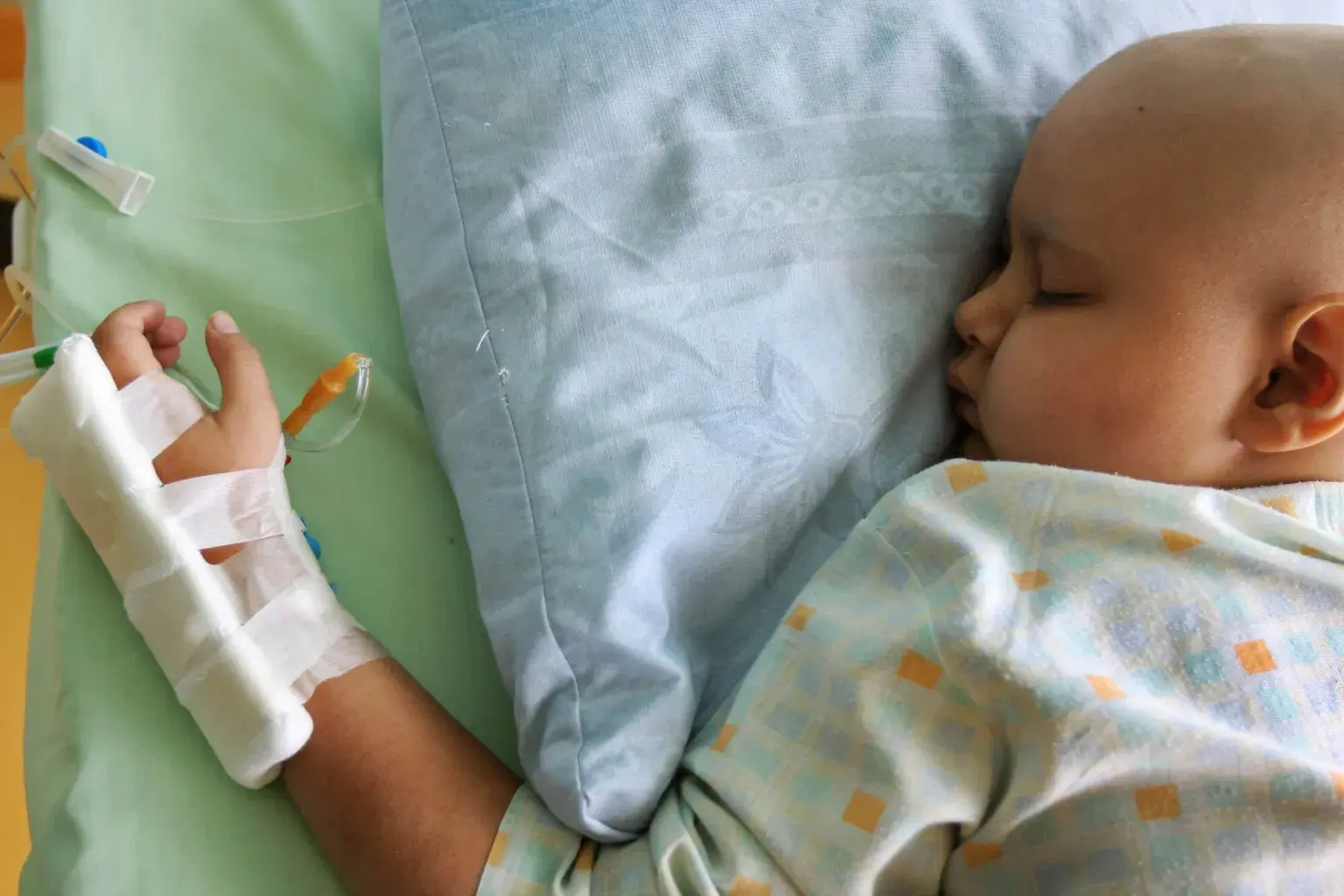
Pediatric Cancers Maintenance and Care: Supporting Long-Term Recovery in Children
Pediatric cancer is a life-changing diagnosis—not only for children but also for their families. Thanks to major advancements in medical science, survival rates for many childhood cancers have improved significantly. However, the journey does not end when treatment is completed. Maintenance and long-term care play a vital role in ensuring a child’s continued health, development, and overall well-being.
Understanding pediatric cancer maintenance and care helps families stay prepared, proactive, and confident as they navigate life after treatment.
What Is Pediatric Cancer Maintenance Therapy?
Maintenance therapy in pediatric cancers refers to ongoing, lower-intensity treatment given after the initial, more aggressive therapy has successfully controlled the disease. The purpose is to prevent relapse and keep the cancer in remission.
This approach is commonly used in certain cancers like acute lymphoblastic leukemia (ALL), where maintenance therapy can last for months or even years. It may include:
- Low-dose chemotherapy
- Oral medications taken at home
- Regular monitoring and check-ups
Hospitals such as Liv Hospital specialize in developing personalized care plans that balance effective treatment with a child’s comfort and quality of life.
Importance of Regular Follow-Up Care
Follow-up care is one of the most critical aspects of pediatric cancer maintenance. After completing treatment, children need ongoing monitoring to ensure the cancer has not returned and to manage any late effects of therapy.
Typical follow-up care includes:
- Routine physical examinations
- Blood tests and imaging scans
- Growth and development assessments
- Monitoring organ function
These visits are usually more frequent in the first few years after treatment and gradually become less frequent over time. Consistency is key to detecting any issues early.
Managing Long-Term and Late Effects
Children who have undergone cancer treatment may experience long-term or late side effects. These can appear months or even years after treatment has ended.
Some common late effects include:
- Delayed growth and development
- Learning or cognitive difficulties
- Heart or lung issues
- Hormonal imbalances
- Increased risk of secondary cancers
Early identification and management of these effects can significantly improve a child’s quality of life. Pediatric specialists often work together to provide comprehensive care tailored to each child’s needs.
Emotional and Psychological Support
The emotional impact of cancer can be especially profound in children. Even after recovery, some children may experience anxiety, fear, or difficulty adjusting to normal life.
Support strategies include:
- Child-friendly counseling or therapy
- Support groups for young survivors
- School reintegration programs
- Encouraging open communication within the family
Parents and caregivers also benefit from emotional support, as their well-being directly affects the child’s recovery environment.
Nutrition and Physical Activity
Proper nutrition is essential for rebuilding strength and supporting a child’s growth after cancer treatment. A balanced diet helps improve immunity and overall health.
Key recommendations include:
- Fresh fruits and vegetables
- Whole grains and lean proteins
- Adequate hydration
- Limiting processed and sugary foods
Physical activity is equally important. Gentle exercises, outdoor play, and age-appropriate sports can help children regain strength, improve mood, and enhance social interaction.
Strengthening the Immune System
Cancer treatments such as chemotherapy and radiation can weaken a child’s immune system. During the maintenance phase, rebuilding immunity becomes a priority.
Parents can help by:
- Ensuring proper hygiene practices
- Avoiding exposure to infections
- Keeping vaccinations up to date (as advised by doctors)
- Providing a clean and safe environment
A strong immune system is essential for protecting children from illness and supporting long-term recovery.
Monitoring for Recurrence
One of the main goals of maintenance care is to detect any recurrence of cancer as early as possible. Parents and caregivers should be aware of warning signs such as:
- Unusual fatigue
- Persistent fever
- Unexplained weight loss
- Swelling or lumps
If any of these symptoms appear, it is important to consult a healthcare provider immediately. Early detection greatly increases the chances of successful treatment.
For a more detailed understanding of long-term pediatric oncology care, you can explore this comprehensive guide on Pediatric Cancers Maintenance and Care.
The Role of Family and Caregivers
Family support is one of the most important factors in a child’s recovery journey. Parents and caregivers play a central role in ensuring that the child follows medical advice and maintains healthy habits.
Their role includes:
- Managing medications and appointments
- Providing emotional reassurance
- Encouraging healthy routines
- Supporting educational and social development
A nurturing and stable environment helps children feel safe and confident as they move forward.
Advances in Pediatric Cancer Care
Medical advancements continue to improve outcomes for children with cancer. New treatments and technologies are making maintenance care more effective and less disruptive to daily life.
Recent developments include:
- Targeted therapies with fewer side effects
- Personalized treatment plans based on genetics
- Improved diagnostic tools for early detection
- Ongoing clinical trials focused on pediatric cancers
These innovations offer hope for better long-term survival and improved quality of life for young patients.
Education and Social Reintegration
Returning to school and normal social activities is an important step in a child’s recovery. However, this transition can sometimes be challenging.
Support strategies include:
- Coordinating with teachers and school staff
- Gradual return to academic activities
- Encouraging participation in social events
- Addressing any learning difficulties early
Helping children reintegrate into their daily routines supports both emotional and cognitive development.
Final Thoughts
Pediatric cancer maintenance and care are essential for ensuring long-term health and well-being. While completing treatment is a major milestone, ongoing care helps children continue to grow, thrive, and lead fulfilling lives. With proper medical support, regular monitoring, and a healthy lifestyle, many young survivors go on to achieve remarkable recovery outcomes.
Beyond medical care, focusing on overall wellness can further support a child’s development and happiness. Platforms like “live and feel” offer valuable insights into lifestyle and wellness, helping families create a balanced and healthy environment for children as they move forward after cancer treatment.
Also Read
