
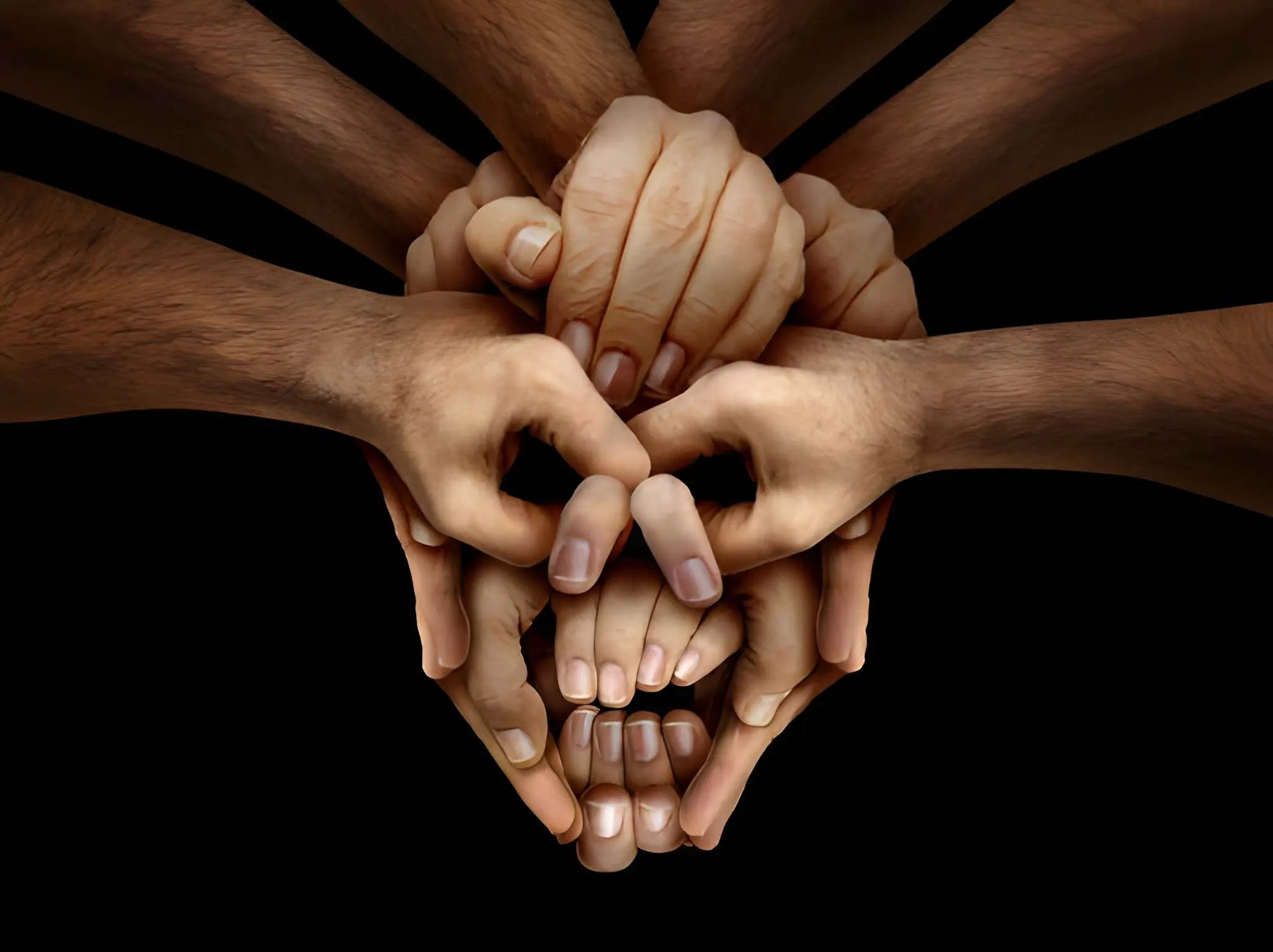
Simone Monasebian: Leadership Context on US Efforts to Combat Human Trafficking
Simone Monasebian brings decades of legal, policy, and programmatic experience to the issue of human trafficking, drawing on a career that spans criminal defense, international prosecution, and survivor centered advocacy. In her role as Chief Program Officer at Sanctuary for Families, she oversees services that support adults and children recovering from domestic violence, trafficking, and related forms of abuse. Her professional background also includes senior positions with the United Nations, where she worked on war crimes cases and led criminal justice reform efforts focused on protecting women and marginalized populations. Earlier in her career, she practiced law in New York and served as a legal analyst and adjunct law professor. This combination of frontline legal practice, international human rights work, and nonprofit leadership situates Simone Monasebian within broader discussions of how US organizations respond to and prevent human trafficking.
How These US Organizations Are Fighting Human Trafficking
Human trafficking, which involves the exploitation of people for forced labor and/or sex trafficking, is a global issue that, according to the United Nations’ International Labour Organization, victimizes more than 27 million people. While there is no reliable estimate of the scope of human trafficking in the US, it has been reported in all 50 states and is punishable by law via the Trafficking Victims Protection Act of 2000. Often working with federal, state, and local law enforcement, Homeland Security Investigations (HSI) is said to have opened more than 1,000 cases of human trafficking each year.
Victims in HSI investigations are eligible to receive access to a range of recovery services, including referrals for medical and mental health care, emergency food and shelter, and legal aid. In the past, U.S. Citizenship & Immigration Services also provided critically needed immigration benefits to human trafficking victims. Several other US organizations are engaged in the fight against human trafficking, providing specialized support to victims and advocating for greater legal protections.
Named for the North Star, which served as a guiding light toward freedom for many people enslaved in the US during the 1800s, Polaris is one of the most impactful organizations. It operates the U.S. National Human Trafficking Hotline, which in 2021 received more than 50,000 calls, texts, and online tips to trafficking incidents. Since launching the hotline in 2007, Polaris is said to have identified more than 218,000 victims in the US and 179 countries.
Having compiled the second-largest data set on human trafficking behind the United Nations, Polaris has published invaluable reports on more than two dozen typologies of trafficking in the US, states’ relief efforts for survivors, and temporary work visas. In 2023, with input from more than 450 survivors, it published the National Survivor Study, highlighting pre-trafficking vulnerabilities and barriers to recovery.
In addition, Polaris offers a free, interactive Human Trafficking 101 online training course that nearly 60,000 people have taken. It has referred thousands of alleged trafficking situations to law enforcement, partners with various community service organizations, and oversees the Polaris Resilience Fund for survivors.
Freedom Network USA (FNUSA) is another important organization with a multi-faceted approach to human trafficking, grounded in anti-oppression and anti-racism. Its network of researchers, consultants, legal and social service providers, and survivors informs advocacy efforts and critical programming, such as the Survivor Reentry Project. This first-of-its-kind program provides survivors with trauma-informed, pro bono legal representation to remove post-conviction criminal records.
FNUSA also operates the Freedom Network Training Institute, which has trained thousands of professionals in various areas of human trafficking. Tailored training programs include “Direct Service Needs for Survivors of Human Trafficking” and “Racial Equity Practices in Anti-Trafficking Programs.”
The Identity Theft Resource Center (ITRC), meanwhile, helps human trafficking survivors recover their identities and rebuild their lives with free personalized and confidential support. Human trafficking victims are especially vulnerable to identity misuse. Traffickers typically withhold or forge their personal documents for their own financial gain, opening bank accounts or applying for loans. With various trauma-informed support strategies, ITRC advisors help survivors rebuild their records and reclaim their identity.
Another important organization is Sanctuary for Families, a forty year old New York based NGO conducting advocacy and providing legal assistance, counseling, shelter and economic empowerment for trafficking survivors including those currently and formerly incarcerated.
About Simone Monasebian
Simone Monasebian is an attorney and nonprofit executive with more than three decades of experience in criminal law, international justice, and survivor services. She serves as Chief Program Officer at Sanctuary for Families, where she oversees programs supporting individuals affected by domestic violence and human trafficking. Her prior work includes senior legal roles with the United Nations International Criminal Tribunal for Rwanda and the Special Court for Sierra Leone, as well as leadership of the New York office of the UN Office on Drugs and Crime. She has also worked as a legal analyst and adjunct law professor.
