
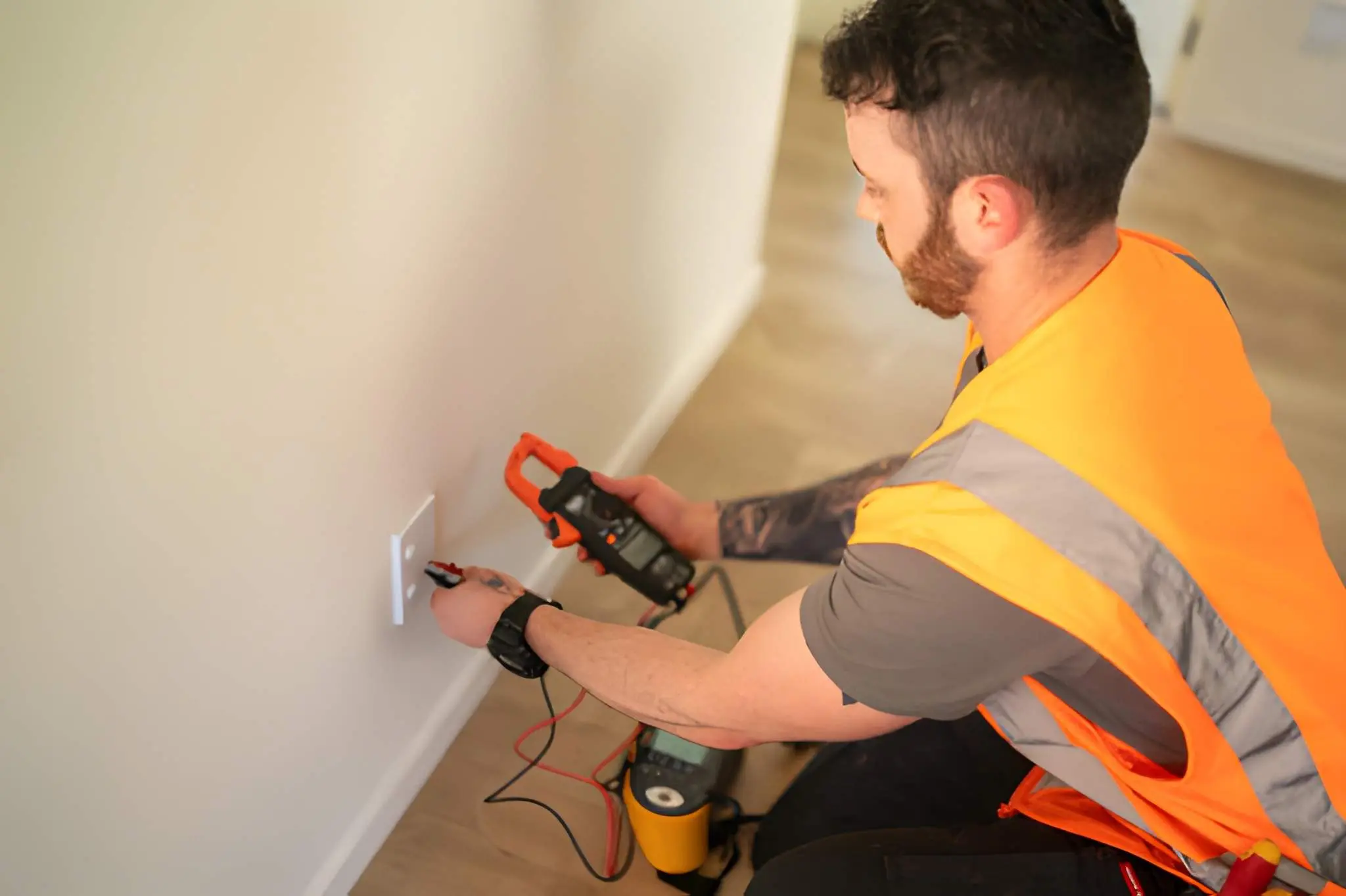
Essential Safety Checks Every Household Should Get from a Licensed Electrician
Keeping a home safe isn’t just about locking doors or maintaining fire alarms. Electrical systems—quiet, hidden, and always working in the background—play a massive role in household safety. When everything is functioning well, it’s easy to forget they’re even there. But just like a car needs routine tune-ups, your home’s electrical system needs regular checks from a licensed electrician to keep it running safely and efficiently.
Electrical inspections aren’t just for older homes or houses with obvious problems. Even modern homes can develop hidden issues due to daily wear, weather changes, renovations, or the natural aging of wiring and components. Understanding the essential checks every electrician should perform can help homeowners prevent dangerous situations, reduce energy waste, and avoid costly emergency repairs down the line.
Why Electrical Safety Checks Matter More Than Ever
Today’s homes use significantly more electricity than those built even 15 or 20 years ago. We rely on everything from smart home hubs and multi-device charging stations to high-powered kitchen appliances and entertainment systems. This increased electrical demand means that older wiring, outdated switchboards, or overloaded circuits may not be able to keep up.
Household electrical issues are a leading cause of fires in many countries, often linked to problems like deteriorating wiring, faulty outlets, or improperly modified circuits. Regular safety checks help identify small problems before they turn into major hazards. A licensed electrician is trained to spot early warning signs that the average homeowner would never notice—loose connections, overheating components, or wiring that has become brittle over time.
Another important point: electrical safety also protects your appliances. Faulty wiring or inconsistent power flow can shorten the lifespan of devices such as air conditioners, refrigerators, or computers. A smooth, stable electrical system helps them run more efficiently and reduces the likelihood of sudden breakdowns.
Key Areas a Licensed Electrician Should Inspect
Electrical inspections are more comprehensive than most people realize. They’re not just about checking if lights and switches work. A licensed electrician evaluates the system’s overall health and ensures that every component meets modern safety standards. Here are the most essential areas they should look at:
1. Switchboard and Circuit Protection
The switchboard is the heart of your home’s electrical system. A licensed electrician will examine the condition of circuit breakers, safety switches, and wiring inside the board. Outdated switchboards may use old ceramic fuses that no longer meet current safety requirements.
Upgrading to a modern switchboard can prevent electrical overloads, reduce fire risks, and provide better protection during faults. This is especially important for homes that have recently added new appliances or undergone renovations.
2. Wiring Condition and Integrity
Wiring naturally deteriorates with age. Heat, rodents, moisture, and simple wear can cause insulation to break down. An electrician checks for exposed wires, overheating, loose connections, and areas where wiring might not comply with current safety codes.
Some older homes still contain wiring systems installed decades ago. These systems weren’t designed for today’s power demands and may pose significant safety issues.
3. Power Points and Switches
Loose or discolored power outlets may indicate heat damage or internal arcing—both serious hazards. Electricians test outlets, switches, and sockets to ensure they deliver consistent and safe power.
It’s also common to find overloaded extensions or double adaptors in busy households, especially in areas like kitchens or home offices. An electrician can recommend where additional outlets should be installed to reduce strain.
4. Smoke Alarms and Safety Devices
While smoke alarms seem unrelated to electrical systems, many are wired directly into the home’s circuitry. A licensed electrician ensures they’re correctly installed, receiving power, and functioning as intended. This is also a good time to ask about interconnected alarms, which alert every room at once and offer a higher level of protection.
5. Outdoor Wiring and Lighting
Outdoor spaces—from garden lights to pool pumps—are exposed to environmental conditions that accelerate wear and tear. Moisture is a major risk factor for electrical faults. An electrician checks seals, afe, and compliant.
Even industries such as construction and manufacturing rely heavily on strict electrical standards for outdoor equipment to prevent accidents in harsh environments, underscoring the importance of proper electrical safety across settings.
Everyday Clues Homeowners Shouldn’t Ignore
While safety checks should always be done by professionals, homeowners can watch for early signs that something may be off. These include flickering lights, unusually warm outlets, frequent breaker trips, buzzing sounds from switches, or appliances that randomly shut off. Much like early indicators of structural fatigue in engineering or aviation, these signals should never be dismissed—they exist to prevent larger failures later.
If any of these appear, it’s important not to attempt DIY electrical work. Electricity is extremely hazardous, and improper handling can lead to severe injury or worse. A quick inspection from a licensed electrician is always the safer and more effective option.
The Role of Professional Inspections in Long-Term Home Safety
Midway through your homeownership journey, or when planning a renovation, it’s wise to schedule a thorough inspection. Renovations often modify how power flows through your house, and electricians help ensure new additions don’t overload existing circuits. They also verify grounding, bonding, and load-balancing systems—topics grounded in scientific principles related to electrical safety that explain how energy must be managed to prevent overheating or electrical shock.
Some households also benefit from surge protection devices, especially if they use sensitive electronics or live in areas prone to storms. Lightning strikes and grid fluctuations can send sudden voltage spikes through wiring, damaging connected devices. Proper surge protection significantly minimizes the risk.
In the middle section of the content, you may choose trusted professionals, such as Involve Electrical, to conduct these assessments and ensure your home remains safe, efficient, and well-prepared for future upgrades.
Final Thoughts: Safety Checks Are an Investment in Peace of Mind
Electrical systems may not be visible, but they play a constant role in your comfort, safety, and daily routine. A licensed electrician’s inspection gives homeowners confidence that everything is working exactly as it should. Whether you live in a newly built house or a decades-old property, regular safety checks help prevent fires, protect appliances, and maintain a safe environment for your family.
Think of it the same way industries treat preventive maintenance—aviation, healthcare, and manufacturing all rely on routine inspections to ensure safety and avoid downtime. Your home deserves that same level of care.
By staying proactive and scheduling routine checks, you’re not just fixing problems—you’re preventing them. And in the long run, that peace of mind is worth more than any repair bill.
