
Teeth Bonding: Benefits, Procedure, and Aftercare
Teeth bonding offers a straightforward, accessible solution for improving the appearance of your smile. For those interested in learning more about the in-office process, this tooth bonding procedure explained guide covers everything from preparation to results. Teeth bonding is increasingly popular for fixing chips, cracks, small gaps, and other imperfections with minimal discomfort and time investment.
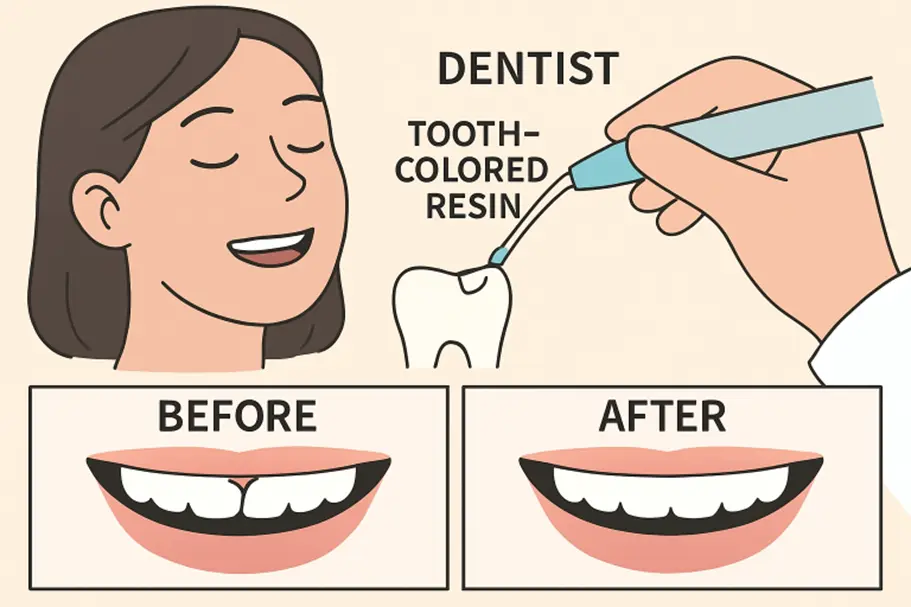
The bonding process involves the direct application of a tooth-colored resin that is precisely tailored to match your natural teeth. With no need for invasive drilling or the removal of significant enamel, tooth bonding is a preferred option for cosmetic improvements. For many, the procedure can achieve remarkable enhancements in a single visit while still offering long-term benefits.
As a cost-effective cosmetic dental treatment, tooth bonding appeals to patients seeking rapid yet effective results. Understanding the details of the procedure, along with proper aftercare and realistic expectations, helps individuals enjoy an attractive, healthier smile for years to come.
What Is Teeth Bonding?
Teeth bonding, also known as dental bonding, is a versatile cosmetic procedure used by dentists to correct minor flaws and reshape teeth for a harmonious smile. At Advanced Smiles Marion, dental professionals carefully layer a composite resin on the tooth’s surface, addressing not only chips and cracks but also irregular shapes, slight misalignments, and discoloration. Unlike more complex dental restorations such as veneers or crowns, bonding requires little removal of the underlying tooth enamel.
Benefits of Teeth Bonding
Patients turn to teeth bonding for both aesthetic and functional improvements. Key benefits include:
- Minimally Invasive: No significant removal of tooth enamel, helping preserve your tooth’s integrity.
- Affordability: Less expensive than other cosmetic procedures like veneers or crowns.
- Quick Results: Most procedures are done within a single office visit, usually in under an hour per tooth. According to WebMD, this makes bonding a convenient option for many patients.
- Versatility: Effective for repairing chips, small fractures, discolorations, short teeth, and minor gaps.
- Natural Look: Composite resin can be color-matched and shaped to blend with your existing teeth.
The Teeth Bonding Procedure
The dental bonding procedure is fast and relatively comfortable for most patients. Here’s an overview of what to expect:
Step 1: Color Matching
Your dentist selects a shade of composite resin that matches your teeth for a seamless finish.
Step 2: Tooth Preparation
The tooth surface is lightly etched and coated with a special conditioning liquid so the resin adheres securely.
Step 3: Application
The dentist applies and molds the resin to the tooth, sculpting it to the desired contour and shape.
Step 4: Curing
A curing light hardens the composite resin, setting the material within seconds.
Step 5: Finishing Touches
The bonded area is smoothed and polished to give it a glossy, natural luster matching the rest of your teeth.
Aftercare Tips for Bonded Teeth
With the proper aftercare, you can maximize the lifespan and appearance of your dental bonding.
- Daily Oral Care: Brush with fluoride toothpaste at least twice a day and floss daily.
- Watch Your Diet: Avoid biting down on ice, hard candies, or non-food items, as this can chip the resin.
- Minimize Stains: Limit intake of highly pigmented foods and beverages, such as coffee, red wine, and berries, and avoid tobacco use.
- Routine Dental Visits: Schedule biannual check-ups so your dentist can assess the integrity of the bonded areas and polish them as needed.
If staining or chipping occurs, your dentist can usually repair or refresh the bonded area during a regular visit.
Potential Risks and Considerations
Teeth bonding is safe for most patients, but there are some essential factors to keep in mind:
- Chipping and Durability: While composite resin is sturdy, it’s not as strong as your natural teeth and may chip or crack under pressure or if you have biting habits like chewing pens or nails.
- Prone to Staining: The material can absorb stains more readily than natural enamel. Regular touch-ups or whitening treatments may be necessary if discoloration develops.
- Replacement Needs: On average, tooth bonding lasts 3 to 10 years before needing a refresh, repair, or replacement, depending on oral habits and maintenance.
People who grind their teeth (bruxism) or have other oral health challenges should consult their dentist to discuss alternative treatment options and long-term expectations.
Is Teeth Bonding Right for You?
Dental bonding is particularly suited for individuals with minor cosmetic concerns who want quick, affordable, and minimally invasive results. However, a thorough examination by your dentist is essential to determine your candidacy, explore all options, and tailor the treatment to your individual dental health and aesthetic goals.
Conclusion
Teeth bonding is a cost-effective and flexible option for correcting minor dental imperfections and rejuvenating your smile. With proper care and guidance from a skilled dentist, it can offer a beautiful, long-lasting enhancement. By understanding the advantages, process, and necessary aftercare, you’re well prepared to make an informed decision for your dental health and confidence.
