
From Concept to Construction: Innovative Strategies for Utah Home Blueprints
Setting the Stage: Defining Your Home Design Vision
A home without a clearly defined vision is a recipe for compromise. Your design decisions hinge on knowing exactly what matters most. Pin down your non-negotiables first—bedroom count, open-concept living areas, integrated outdoor spaces. Distinguish them from the “nice-to-haves” that can flex when the budget tightens. Build your visual library early: tear sheets, photographs, your own quick pencil sketches. Inspiration should be tangible and actionable, not abstract mood words. A strong vision earns you a strategic position in negotiations with builders and architects, while keeping you immune to passing trends that can derail the integrity of the plan.
Site-Driven Design for Mountain and Desert Climates
Utah’s terrain demands designs that don’t just occupy the site but harness it. Topography shapes every choice. The path of the sun, seasonal wind patterns, view corridors and shade pockets dictate orientation, glazing, and living space placement. Work with your slopes—daylight basements that merge with grade, terraces that pull the indoors outward, patios that catch evening light. Respect the land’s quirks rather than flattening them.
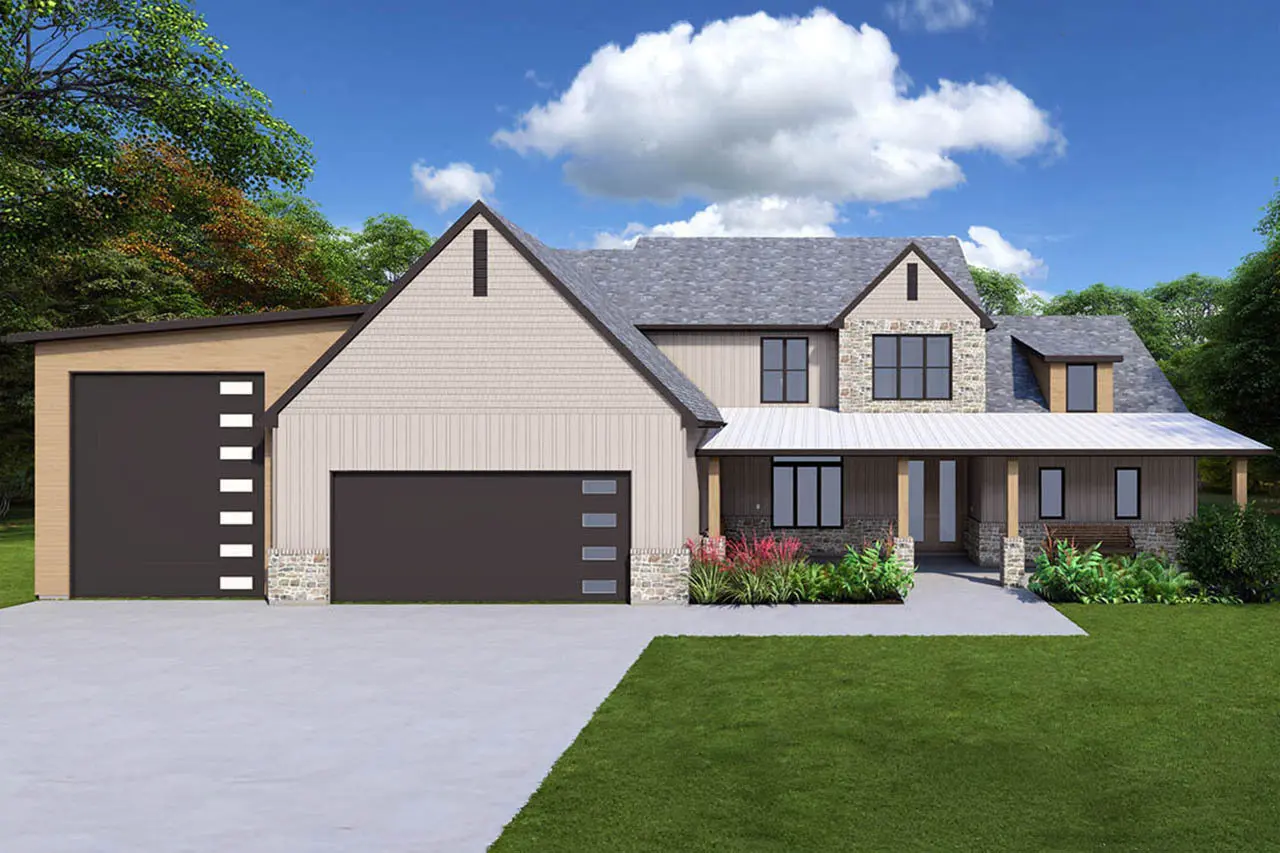
For templates tailored to the region’s challenges, explore Utah house plans and adapt them to your parcel’s unique character. Ditch the one-size-fits-all approach that ignores the microclimates and subtle weather shifts. The home should perform as a living extension of the environment, not an imported shape dropped on a lot.
Incorporating Regional Architectural Influences
Mountain West vernacular is no accident—it evolved from necessity and craft. Timber beams and exposed trusses bring warmth and gravity. Stucco and adobe surfaces shrug off heat while blending with desert textures. Low-pitched or shed roofs handle snow melt efficiently and create profile harmony against ridgelines. Use these hallmarks as accents rather than thematic overload. Klepper Architects in Park City integrate reclaimed timber without sliding into rustic kitsch. The Utah State Capitol’s clean lines and solid massing prove traditional elements can coexist with modern restraint. Balance authenticity and individuality to avoid gimmick-driven mimicry.
Balancing Aesthetics and Functionality in Floor Arrangements
Floor plans that only photograph well are useless in real life. The spatial choreography matters. Private zones should be insulated from public circulation, with bedrooms shielded from high-traffic corridors. Families who thrive in open layouts may sacrifice acoustic privacy. Those needing separation should accept fewer sightlines for more control over noise and activity. Plan for logical movement: kitchens near entries to handle groceries fast, laundry rooms adjacent to bedrooms to cut hauling time. Entryways should act as buffers, absorbing the outside before traffic hits the main interior. Function is not the enemy of style, it is its structural backbone.
Essential Structural and Code Considerations for High-Elevation Builds
High-elevation homes face brute-force realities. Snow load calculations are not optional. Roof systems must withstand the weight of accumulated drifts without distortion. Seismic requirements in parts of Utah demand lateral bracing that costs both material and expertise. Frost line depths dictate foundation footings, and ignoring them means structural failure. Bring in a structural engineer at schematic stage, before sentimental design flourishes take root. Extra reinforcement is not “overbuilding” here—it’s insurance. Budget for it up front, not as a panicked change order when inspectors red-flag your plans halfway through construction.
Optimizing Energy Efficiency and Sustainable Features
Passive solar design begins with orientation and ends with disciplined glazing control. Place high-performance windows where the sun works for you, not against you. Rigid insulation, properly installed, does more for comfort than any flashy device. Renewable additions—solar arrays, geothermal loops, rainwater capture—extend resource independence and cut operating costs over decades. Weigh the capital outlay against the immutable reality that utility rates trend upward. Smart buyers notice efficient features and pay accordingly. View sustainability as a long-term investment vehicle, not a checklist for marketing brochures.
Leveraging Digital Tools for Collaborative Plan Refinement
The days of red-pencil markups on paper are fading. Three-dimensional modeling software exposes design flaws before they pour concrete. Virtual walkthroughs let you inhabit the house in scale and sequence, correcting awkward transitions early. Cloud-based markup platforms synchronize feedback between homeowner, architect, and contractor without drowning in email chains. Make version control sacred. Every revision should be logged and labeled to avoid costly errors born of confusion. A disciplined digital workflow turns collaboration from a polite exchange into a focused, result-driven process.
Budget Management: Realistic Cost Projections and Contingencies
Cost control is not glamorous, but it’s the battlefield where projects live or die. Break the budget into tangible categories: site work, structural shell, interior systems, final finishes. Each has its own overruns waiting. Keep 10 to 15 percent in a contingency fund that you do not touch for convenience upgrades. Track spending in real time and be ready to downscale secondary features before hitting a hard wall. Adjusting scope early hurts less than salvaging a budget wreck after obligations stack up. Projects that ignore financial discipline collapse no matter how brilliant the design.
Your Design Blueprint in Action: Next Steps Toward Breaking Ground
With schematic plans locked, permits secured, and your contractor committed, momentum matters. Set clear milestones for excavation, framing, and systems installation, and check progress without fail. Keep a running audit against your core vision document to ensure each decision aligns with initial goals. The moment scope creep sneaks in, correct course. Vision without vigilance is just wishful thinking.
