
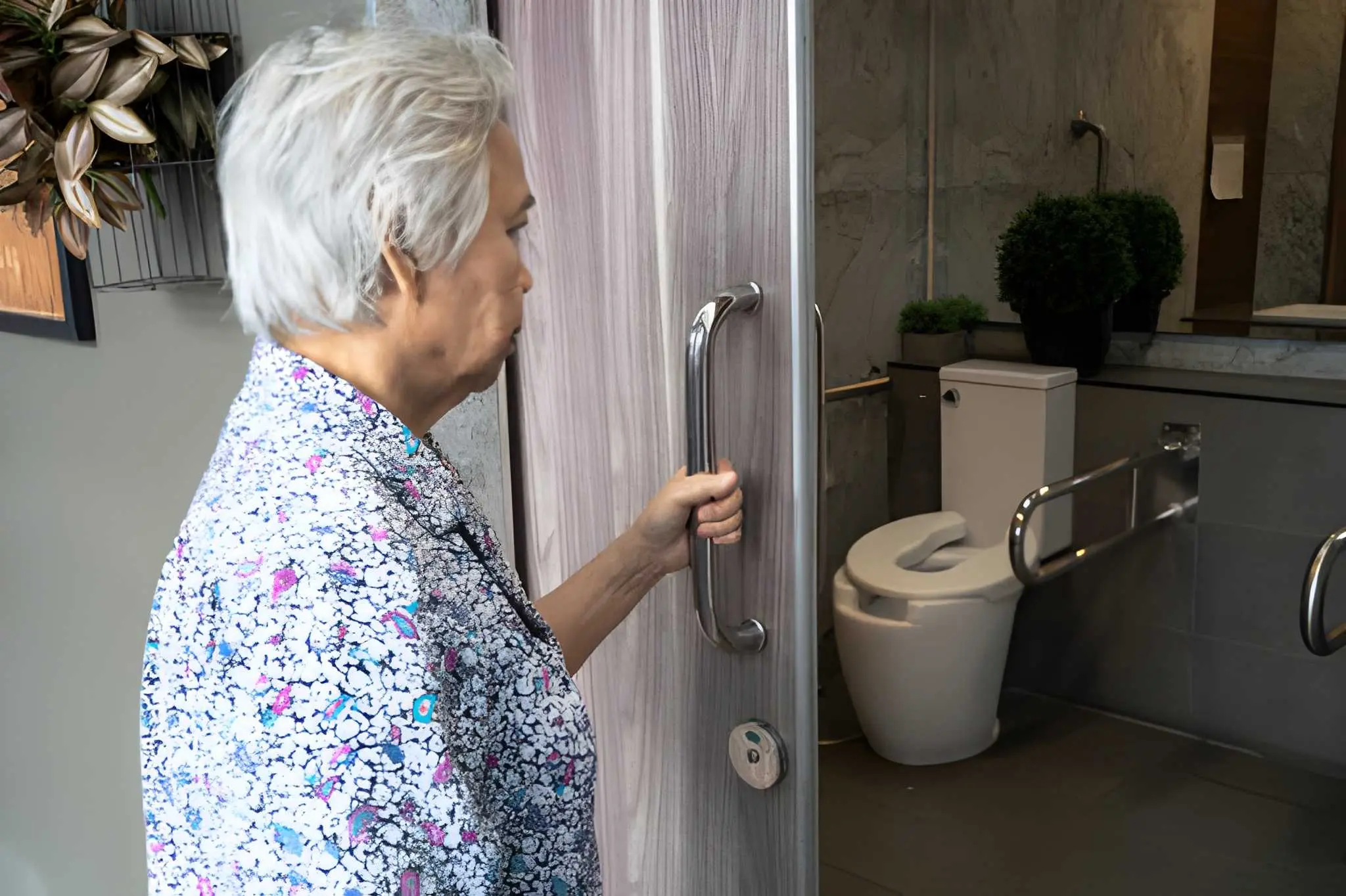
Creating A Safer Bathroom For Aging At Home
Growing older changes the way a bathroom feels. Surfaces that once seemed harmless can suddenly feel slippery, small steps start to look like hurdles, and nighttime trips to the toilet become something people quietly worry about. The goal is not to wrap the entire space in caution tape, but to make subtle, thoughtful updates that help an older adult move with confidence. You can often get there simply by planning a few cost-effective bathroom improvements that put safety and comfort first.
For many families, the bathroom is the one room everyone agrees feels a little risky. Loved ones might brush off concerns or insist they are “fine,” yet you notice the slower steps, the longer time it takes to get in and out of the tub, and the way they reach for walls or towel bars that were never designed to hold weight. Those observations are early hints that the room needs to work harder in their favor.
Thoughtful design is about more than grab bars and medical equipment. It is about creating a space that feels calm, dignified, and easy to use on a tired morning or a wobbly day. That might mean changing where things are stored, adjusting lighting, or rethinking the layout so it fits the way your loved one moves right now, not the way they did ten years ago. Inspiration for these changes can come from many places, whether it is talking with a contractor, viewing accessible bathroom galleries, or exploring resources like the http://glamour-designs.com/ website.
Rethinking Bathroom Safety With Fresh Eyes
Before you start buying new fixtures, it helps to step back and look at the bathroom the way an older adult does on their most difficult day.
You can begin by imagining the route from bed to bathroom in the middle of the night. Is there enough light, or do they walk in the dark for a few steps first? When they reach the doorway, do they have to turn sharply or step over a small threshold that is easy to miss? These may seem like tiny details, yet they are often where stumbles happen.
Light That Guides Instead Of Glare
Soft, consistent light is one of the simplest ways to reduce risk. Harsh overhead lighting can create deep shadows that make it harder to judge distance or see where the floor begins and the tub ends. Adding a night light in the hallway and a small fixture in the bathroom itself can make the entire route easier to navigate at three in the morning.
If possible, consider lighting that turns on automatically when someone walks into the room. This removes the need to fumble for a switch while half asleep, which is especially helpful for anyone dealing with balance issues, dizziness, or joint pain.
Floors That Stay Firm Underfoot
The floor should feel stable, not slippery or unpredictable. High gloss tiles, loose rugs, and worn-out bath mats invite accidents. A textured mat inside the tub or shower and a sturdy mat with a rubber backing outside give feet something solid to grip.
If you notice any curled corners on rugs or uneven transitions between different flooring types, treat them as small repair projects with big safety payoffs. Even a minor change that removes a tripping edge can make the room feel more secure for someone who already moves cautiously.
Clear Paths That Support Confidence
Clutter can quietly turn into a hazard. Decorative baskets, small stools, or extra storage units along the pathway may look nice, but create unnecessary obstacles. Clearing the floor so there is a straight, open route from the door to the toilet and from the toilet to the shower quickly lowers the chances of catching a toe or bumping into something.
Turning The Shower Into A Place Of Calm
An older adult should be able to step into the shower without feeling like they are balancing on a tightrope. A few changes can transform the shower from a stressful part of the day into a predictable, comfortable routine.
Easier Entrances And Exits
The highest risk moment is often the step in and out of the tub or shower. If that step feels too high or too narrow, it might be time to explore a lower curb, a walk-in design, or an added step that makes the transition less extreme. Even when a full remodel is not in the cards, a sturdy grab bar mounted at the right height can offer a reliable handhold.
Unlike towel bars, properly installed grab bars are designed to support weight. Placing one vertically near the entrance helps with stepping over the edge, while a horizontal bar inside the shower gives something to hold onto while turning or adjusting position.
Seated Showering For Extra Stability
Standing for long periods can be exhausting. A simple shower chair or bench allows an older adult to sit while washing, which significantly reduces the risk of slips. The key is choosing a seat with non-slip feet and a stable base that feels solid, not wobbly.
Pairing a seat with a handheld showerhead adds even more control. Instead of twisting and stretching under a fixed spray, your loved one can bring the water to them, moving at a pace that feels safe and unrushed.
Water Controls That Work With Aging Hands
Traditional knobs are difficult for stiff or arthritic fingers. Lever-style handles are easier to move with limited strength and reduce the need for a strong grip or twisting. Positioning controls within reach of a seated person prevents awkward leaning, which is especially important for anyone who struggles with balance.
Small Toilet Area Changes With A Big Impact
The toilet is a daily necessity, and small upgrades here can have an outsized effect on both safety and dignity.
Rising from a low seat is one of the toughest movements for aging knees and hips. A slightly higher seat lowers the strain on joints and makes it easier to stand up without rocking or pushing hard on nearby surfaces.
Raising The Seat And Adding Support
You may choose a raised seat attachment or a new toilet with a higher profile. In both cases, pairing the seat with sturdy arm supports or side rails can help your loved one sit and stand without feeling like they might fall backward or sideways. These supports give them something reliable to push against instead of using a flimsy towel bar or sink edge.
Keeping Essentials Within Reach
Reaching too far for toilet paper or personal items increases the risk of losing balance. Moving the holder closer to a natural hand position and adding a small shelf for wipes and hygiene products keeps everything within easy reach. The idea is simple: fewer big movements, fewer chances to wobble.
Storage, Layout, And Everyday Comfort
Beyond the fixtures, the way items are arranged can either support independence or make the bathroom feel like an obstacle course.
Heavy or frequently used items are best kept at waist or chest level. If your loved one needs to bend deeply or stretch high for their favorite shampoo, clean towels, or grooming tools, it may be time to reorganize. Placing daily essentials in open, clearly visible containers removes the stress of hunting for items behind multiple doors and drawers.
It also helps to think about color contrast. When floors, walls, and fixtures are all similar shades, it becomes harder for aging eyes to distinguish edges. Towels, mats, and even toilet seats in colors that stand apart from the floor give gentle visual cues that support depth perception. This small design choice can be surprisingly reassuring for someone worried about misjudging distances.
Choosing Upgrades That Respect Your Budget
Creating a safer bathroom for an older adult does not have to mean an all-or-nothing renovation. Many of the most impactful changes come from a series of modest updates done over time. A new grab bar here, better lighting there, a sturdier mat next month, and a reorganized cabinet the month after can slowly reshape the space into one that truly serves your loved one.
When you prioritize changes, start with anything that reduces the chances of slipping or falling, then move on to upgrades that improve comfort and reduce effort. As you plan, remember that beauty and safety can absolutely coexist. Fixtures, finishes, and layouts that support aging at home can still feel stylish, warm, and personal. With thoughtful planning and a focus on practical details, it is entirely possible to create a bathroom that supports independence, protects health, and reflects the personality of the person who uses it, all through smart bathroom improvements.
