
How Moisture Affects Indoor Air Quality and Health
Understanding the Role of Moisture in Indoor Environments
Indoor air quality is intimately tied to the moisture content of the environment. When humidity is balanced, indoor spaces feel more comfortable and support healthy living conditions. However, both excessive dampness and low humidity can create conditions that lead to various health and property issues. Maintaining the ideal humidity balance remains a fundamental strategy for preventing avoidable problems. If you’re concerned about persistent dampness or signs of mold, consulting damp and mould specialists is an effective first step to address these issues and safeguard your home’s air quality.
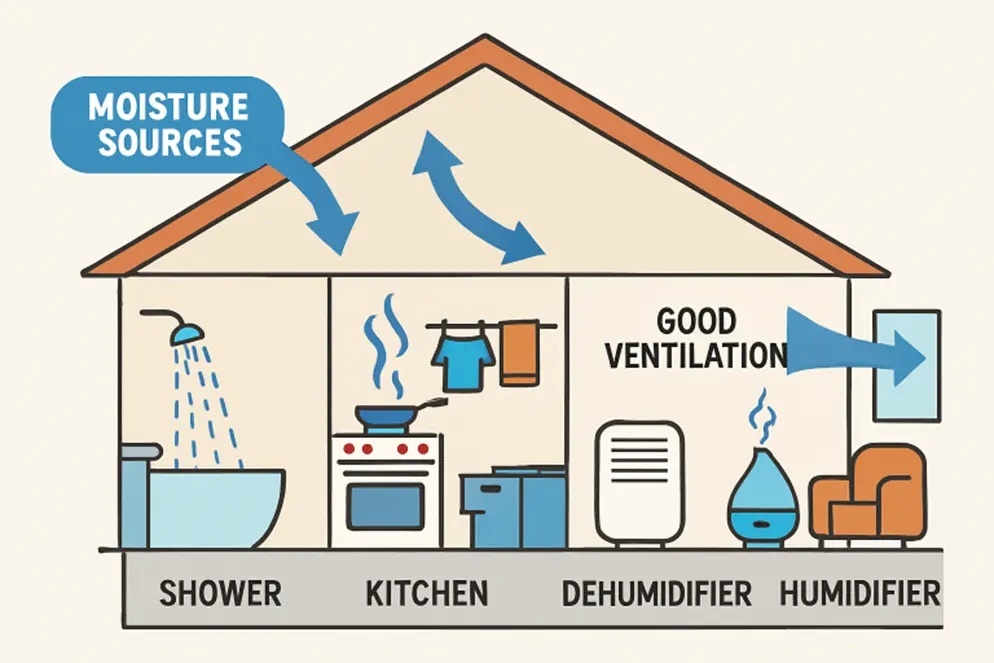
Indoor moisture can come from several sources, including bathing, cooking, drying clothes, or structural leaks. Certain spaces—such as bathrooms, kitchens, and basements—are particularly prone to accumulating higher levels of moisture. Recognizing the source and patterns of dampness is crucial for creating a healthier and more comfortable indoor environment.
Health Risks Associated with High Humidity
Excess indoor humidity has direct and indirect impacts on health and well-being. Here are some of the main risks:
- Mold and Mildew Growth: High moisture conditions foster rapid mold and mildew proliferation, frequently visible on walls, ceilings, and fabrics. Mold spores released into the air can trigger respiratory issues, allergic responses, and aggravate asthma and other chronic diseases. According to the U.S. Environmental Protection Agency, effective management of indoor humidity substantially reduces the growth of mold and mildew.
- Dust Mite Infestation: Dust mites, microscopic creatures commonly found in household dust, thrive in moist environments and are potent triggers for allergies and asthma, particularly in children and individuals with sensitive immune systems.
- Musty Odors and Structural Damage: Constant dampness not only creates lingering, unpleasant odors but may also damage building materials such as insulation, drywall, and wooden supports, leading to expensive renovations.
Health Implications of Low Humidity
On the other end of the spectrum, overly dry air poses its own set of health challenges:
- Respiratory Irritation: Indoor air lacking sufficient moisture can dry out mucous membranes in the nose and throat, causing discomfort, coughing, sore throats, and increased nasal congestion. As reported in Time Magazine, many people experience increased respiratory irritation during periods of low indoor humidity, particularly in winter.
- Increased Susceptibility to Infections: Dry air can compromise the body’s natural defenses, making it easier for bacteria and viruses to cause illness, particularly in cold weather when people spend more time indoors.
- Skin and Eye Dryness: The skin can become flaky and irritated, while the eyes may itch or burn, particularly among those wearing contact lenses, due to a lack of moisture in the air.
Optimal Indoor Humidity Levels
Experts agree that maintaining indoor humidity levels between 30% and 50% provides the healthiest, most comfortable range for homes and workplaces. This window discourages the growth of mold, mildew, and dust mites, while also preventing dry air-related complaints, such as static shocks, chapped lips, and skin irritation. For regularly updated standards and guidelines on indoor air quality and controlling humidity, the CDC offers practical advice and resources for households and businesses to reference.
Special Considerations for Vulnerable Groups
Children, the elderly, and individuals with respiratory or immune conditions are more susceptible to health issues when exposed to improper humidity levels. Monitoring and maintaining balanced indoor moisture levels is particularly essential in spaces frequented by individuals at risk.
Strategies for Managing Indoor Humidity
Effective humidity control is essential for preventing potential health issues and property damage. Below are several recommended approaches:
- Use Dehumidifiers and Humidifiers: These devices, when properly sized for the intended rooms, adjust humidity up or down as needed. Portable options exist for individual spaces, while whole-home systems can be integrated with heating and cooling units.
- Ensure Proper Ventilation: In moisture-prone rooms like kitchens and bathrooms, frequent ventilation is essential. Open windows when possible, and use exhaust fans or vented range hoods to expel humid air outdoors.
- Address Water Leaks Promptly: Repair any leaks in plumbing, roofs, or windows to prevent moisture accumulation that can encourage mold growth and structural decay.
- Monitor Indoor Humidity: Hygrometers are inexpensive tools for monitoring humidity levels. Regularly check readings and make adjustments as conditions change throughout the seasons.
The Impact of HVAC Systems on Humidity
Heating, ventilation, and air conditioning (HVAC) systems are powerful allies in the fight against humidity problems—provided they are maintained correctly. Well-tuned HVAC systems regulate indoor air temperature and moisture levels, minimizing the risks associated with both dampness and dryness. However, clogged filters, blocked drains, or dirty coils can diminish their effectiveness and even exacerbate moisture problems. Regular professional servicing helps ensure that the system operates efficiently, circulating and conditioning indoor air to support healthier living spaces.
Final Thoughts
Managing indoor moisture is a crucial aspect of maintaining good air quality and promoting healthy living. By understanding how both excess and insufficient humidity can affect your health, and by implementing the right strategies—such as using dehumidifiers or humidifiers, improving ventilation, and maintaining your HVAC system—it’s possible to foster a comfortable and healthy home environment all year round.
