
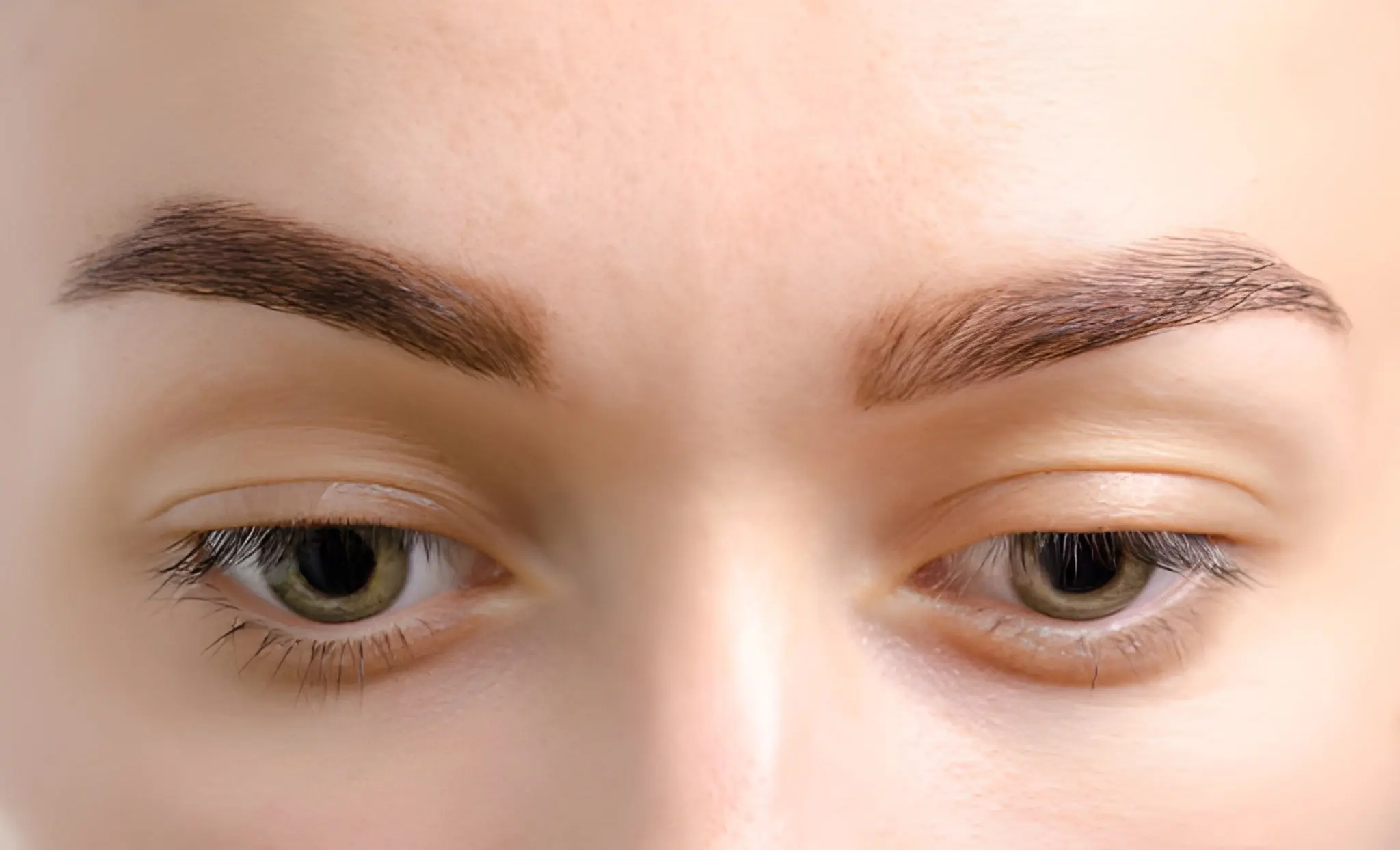
Why Your Eyebrows Are Thinning: Common Causes Explained
Eyebrows do more than frame your face—they’re key to expressing emotions and enhancing your overall appearance. So, noticing that your eyebrows are thinning can be alarming. While it’s common to experience some hair loss as part of aging, excessive thinning may point to underlying causes that are worth understanding. In this post, we’ll explore the most common reasons why your eyebrows might be thinning and what you can do about it.
1. Over-Plucking and Waxing
One of the most common culprits behind thinning eyebrows is over-plucking. Repeatedly plucking or waxing the same area can damage hair follicles, sometimes permanently. When hair follicles are repeatedly stressed or inflamed, they may stop producing new hair, resulting in sparse or uneven brows. Even though over-plucking seems harmless at the moment, its long-term effects can leave noticeable gaps that are hard to fill naturally.
Tip: If you’re trying to grow your brows back, avoid tweezing or waxing for a few months. Patience is key, and you may want to use brow growth serums to encourage new hair growth.
2. Aging
Aging is a natural factor that affects all hair, including eyebrows. As we get older, hair growth slows down, and follicles can shrink, producing thinner, finer strands. It’s normal for your eyebrows to lose some density over time, particularly after the age of 40. While aging cannot be reversed, you can manage thinning with proper care and cosmetic solutions like eyebrow pencils or microblading in Utah.
3. Hormonal Changes
Hormones play a significant role in hair growth. Changes in hormone levels, such as those caused by thyroid disorders, menopause, or pregnancy, can lead to eyebrow thinning. For instance, an underactive thyroid (hypothyroidism) can reduce hair growth, causing eyebrows to thin, particularly on the outer edges. Similarly, fluctuations in estrogen and progesterone can affect hair density, sometimes leading to noticeable hair loss.
Tip: If you suspect a hormonal imbalance, consult a healthcare provider. Blood tests can identify underlying conditions, and proper treatment may restore healthy hair growth.
4. Nutritional Deficiencies
Hair requires essential nutrients to grow strong and healthy. Deficiencies in vitamins and minerals like biotin, zinc, iron, vitamin D, and protein can lead to thinning eyebrows. A diet lacking in these nutrients may manifest as brittle, slow-growing, or patchy hair.
Tip: Incorporate nutrient-rich foods like eggs, nuts, leafy greens, and fish into your diet. Supplements may also help, but it’s best to consult a healthcare professional before starting any new regimen.
5. Skin Conditions
Certain skin conditions can contribute to eyebrow thinning. Eczema, psoriasis, or seborrheic dermatitis can cause inflammation and irritation around hair follicles, slowing or stopping hair growth. Similarly, infections or allergic reactions can damage follicles and prevent hair from growing normally.
Tip: Treating the underlying skin condition is crucial. Dermatologists can provide topical treatments or medications to manage inflammation and restore hair growth over time.
6. Stress
Chronic stress can affect the entire body, including hair growth. Stress-related hair loss, known as telogen effluvium, can push hair follicles into a resting phase, causing shedding across the scalp and eyebrows. While this type of hair loss is usually temporary, prolonged stress can make regrowth more difficult.
Tip: Incorporate stress-management practices such as meditation, yoga, or regular exercise. Reducing stress can positively impact both your hair health and overall well-being.
7. Genetic Factors
Sometimes, thinning eyebrows are simply inherited. If your parents or grandparents had sparse brows, you might be predisposed to the same condition. Genetic eyebrow thinning typically occurs gradually and may be more noticeable in certain areas.
Tip: While genetics can’t be changed, cosmetic techniques like brow pencils, powders, and microblading can help achieve a fuller appearance.
8. Medical Treatments
Certain medical treatments can also cause eyebrow thinning. Chemotherapy, radiation, and some medications, including beta-blockers and retinoids, may lead to temporary or permanent hair loss. If you notice thinning after starting a new treatment, it’s important to discuss alternatives or supportive care with your healthcare provider.
Final Thoughts
Thinning eyebrows are more common than you might think, and a variety of factors—from over-plucking to medical conditions—can contribute. Understanding the root cause is the first step in addressing the issue. Whether through lifestyle adjustments, medical treatment, or cosmetic enhancements, there are ways to restore your brows’ fullness and maintain their health.
Remember, patience is key. Hair growth is a slow process, but with consistent care and attention, you can encourage healthier, thicker eyebrows over time. If you’re unsure of the cause, consulting a dermatologist or healthcare professional is always a wise step. Your brows are worth it—they’re not just hair, but a frame for your face and your expression.
Also Read–Smart Design at Sea: How Integrated Tech is Optimizing Space and Experience Onboard
