
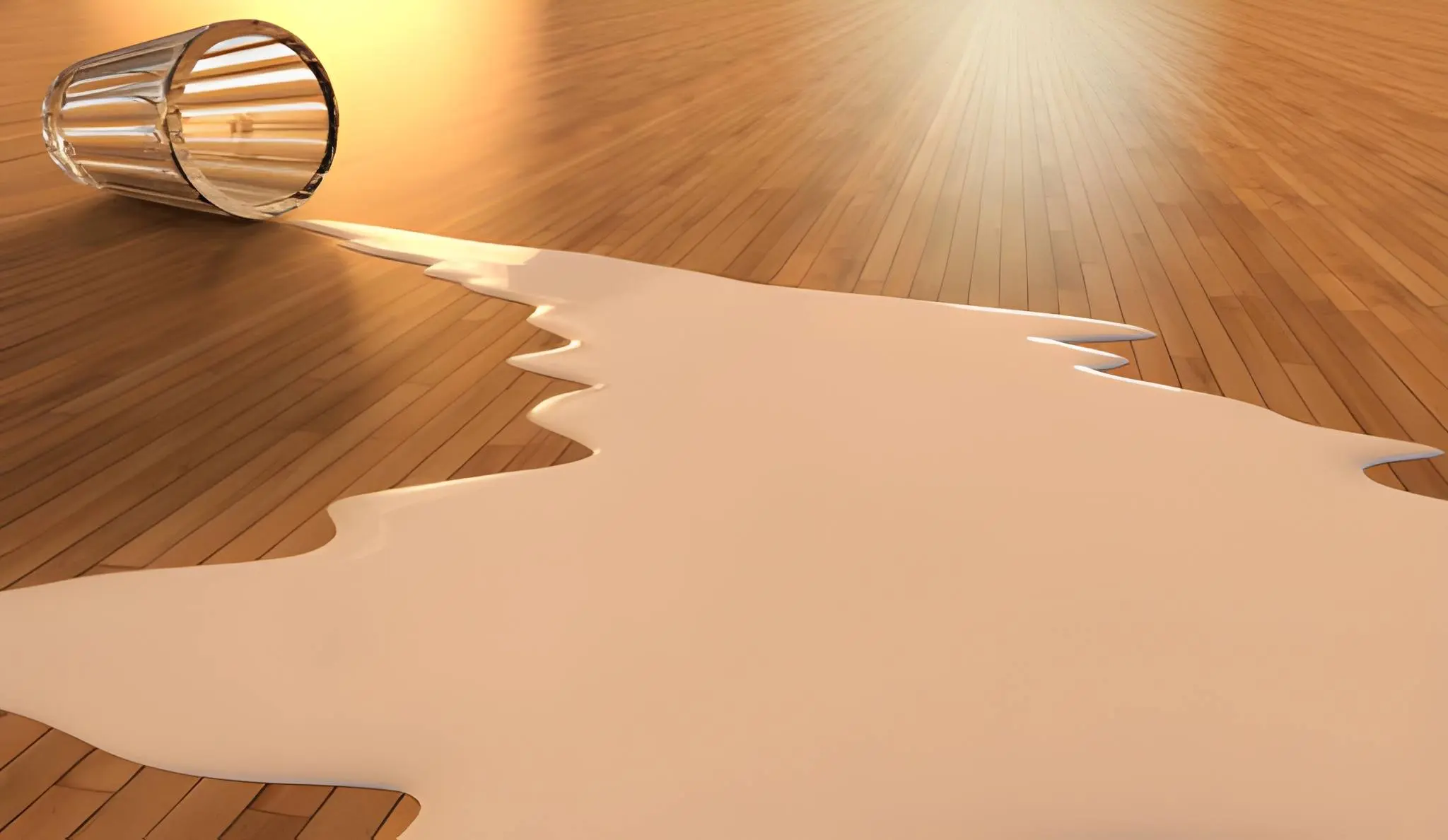
Stop Hidden Leaks From Ruining Your Hardwood Floors
Few things make a home feel as warm and inviting as a beautiful hardwood floor. The grain, the color, and the way it reflects natural light all create a sense of comfort you just do not get with other surfaces. That is why water damage from a hidden leak can feel so stressful. You are not just dealing with a plumbing problem. You are watching one of your favorite parts of the home slowly buckle, stain, and lose its character.
This guide walks through how water actually harms hardwood, how to spot subtle signs of trouble, and what you can do to protect your floors before small leaks turn into big repair bills. Along the way, you will also see how smart maintenance and professional help can restore damaged areas and keep your home looking its best, especially when it is time for careful refinishing with dustless sanding for minimal disruption.
Many homeowners do not consider the connection between plumbing and hardwood floors until a problem arises. But the two are more connected than they appear. Anywhere you have pipes behind walls or under the slab, there is a path for water to reach the flooring if something goes wrong. That is why a good relationship with a trusted plumbing specialist can save your floors just as much as it saves your water bill. If you ever need help tracking down stubborn leaks or dealing with sudden pipe issues, a local pro like Bob the Plumber Chula Vista can make the difference between a minor inconvenience and a full flooring disaster.
When Water Meets Wood, The Clock Starts Ticking
Water and hardwood are not natural friends. Wood is organic and porous, which means it absorbs moisture. At first, the damage is invisible. Water sneaks between boards or seeps through very small gaps and starts to swell the wood fibers. You do not see the process, but the floor feels it almost immediately.
Over time, that invisible swelling turns into visible problems. Boards begin to cup, where the edges rise and the center dips. In other cases, they crown, where the center swells up. The finish can start to peel, cloud, or stain. If the moisture reaches the subfloor, you might also see nails loosening or a hollow sound when you walk across certain sections. None of this happens overnight, which is both a blessing and a curse. You have time to act, but if you ignore the signs, the damage can become permanent.
On top of the visual damage, water under hardwood can create a perfect environment for mold and mildew. Even if the surface looks mostly dry, the layers underneath can stay damp for a long time. That trapped moisture leads to musty smells and potential health concerns, especially in homes with children, pets, or anyone with allergies.
Early Clues Your Floors Might Be Sitting On A Leak
One of the best ways to protect hardwood is to become very observant. Most leaks give off clues long before water actually pools on the surface. Your job is to notice small changes and treat them as little alarms, not as quirks you can ignore.
Pay close attention to sections of the floor that suddenly look different from the rest. A small patch where the boards are lifting at the edges, a faint, darker ring that keeps getting a bit bigger, or a few planks that feel spongy or soft underfoot can all signal moisture below. Even tiny gaps that open in one area while the rest of the floor looks tight can point to swelling and movement you cannot yet see.
Your plumbing system will often tell its own story, too. A tapping or running water sound when every tap is off, a persistent warm spot where hot water lines run, slow but steady drops in water pressure, or a meter that moves even when nothing is in use are all signs that water may be escaping somewhere. When you connect these clues with subtle changes in your hardwood, it is time to treat the situation seriously.
Everyday Habits That Keep Water Away From Wood
The good news is that you do not need to overhaul your entire home to reduce the risk of leak damage. Small, consistent habits make a big difference. Think of them as simple routines that buy you time and keep your floors safer for years.
Start with the obvious wet zones. Make it a habit to open the cabinet under each sink once a week and check the pipes, drains, and shut-off valves. Look for drips, crusty mineral buildup, or water stains on the back wall or cabinet floor. Do the same quick check behind the washing machine and around the water heater. A small towel or piece of cardboard placed under connections can reveal slow leaks long before they reach your hardwood.
In rooms where hardwood meets kitchens or bathrooms, pay attention to the transition zones. If you see repeated puddles near a dishwasher, fridge line, or shower entry, do not just mop and move on. Figure out why that water is getting out. That might mean adjusting a door sweep, replacing a worn seal, or tightening a fitting behind an appliance. Catching these small issues early is much easier than drying out a soaked subfloor later.
What To Do The Moment You Discover Water On Your Floors
If you walk in and see a clear leak or standing water on hardwood, time matters. The faster you act, the more likely you are to save the floor rather than replace it.
First, stop the water at the source. If you know which fixture is causing the problem, shut off the local valve. If not, go straight to the main shut-off for the home and cut the supply there. Once the water stops flowing, get anything absorbent into action. Use towels, mops, or even a wet vacuum to pull up every bit of standing water you can reach. Pay attention to corners, under furniture, and along baseboards, since water tends to collect there.
Next, focus on drying. Set up fans to move air across the surface and, if you have one, run a dehumidifier in the room. The idea is to lower the moisture content in the air and speed up evaporation from the wood. Resist the temptation to cover wet spots with rugs. This only traps moisture against the surface and can actually make staining and warping worse.
If the water came from a suspected pipe leak under the floor or within the slab, you will need a plumbing professional to pinpoint and repair it. Fixing the actual leak always comes before cosmetic floor work. Otherwise, you are fixing the same problem twice.
Repairing And Refinishing Floors After A Leak
Once the leak is handled and the area is fully dry, you can turn to the question everyone cares about most. Can the floor be saved, or does it need to be replaced? The answer depends on how long the water sat, how deep it went, and how badly the boards moved.
Mild cupping, light surface stains, or localized dull spots can often be corrected through sanding and refinishing. A skilled hardwood specialist will check moisture levels in the boards and subfloor to make sure everything is stable before they begin. When the floor is ready, they can carefully sand away damaged finish and a very thin layer of wood, then apply new stain and protective coating so the repaired section blends with the rest of the room. Modern techniques make this process far cleaner than it used to be, especially when you choose dustless sanding for minimal disruption.
In more severe cases, where boards are cracked, badly warped, or separating from the subfloor, replacement may be necessary in that section. The goal is to remove only what cannot be salvaged while preserving as much of the original material as possible. Partial replacements take skill to make sure patterns and colors match, so this is not a do-it-yourself moment for most homeowners.
The big takeaway is that leaks and hardwood floors do not mix, but they do not have to spell disaster either. With watchful eyes, simple maintenance habits, quick action when water appears, and the right mix of plumbing and flooring professionals, you can protect the character of your floors and keep them in beautiful shape for many years.
