
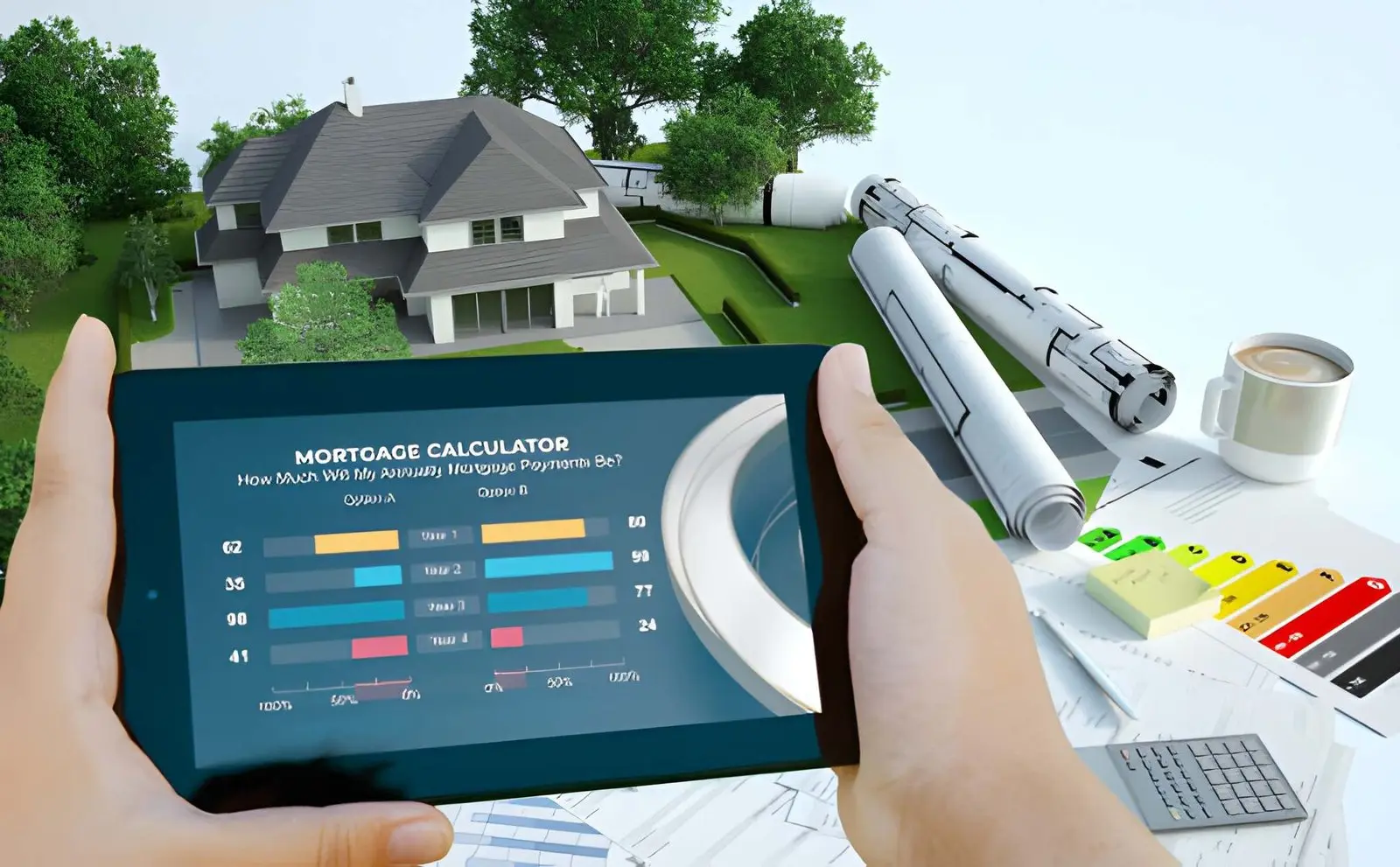
Smart Upgrades for Today’s Homebuyer
Key Takeaways
- Smart home features are increasingly sought after by modern homebuyers.
- Investing in smart upgrades can lead to higher property values and quicker sales.
- Energy efficiency and security are top priorities in smart home enhancements.
Table of Contents
- Why Smart Home Upgrades Matter
- Top Smart Home Upgrades to Consider
- Energy Efficiency and Cost Savings
- Enhancing Security with Smart Technology
- Convenience and Lifestyle Enhancements
- Cost-Effective Smart Upgrades
- Implementing Smart Upgrades in Your Home
- Conclusion
In the ever-evolving real estate market, integrating smart home technology has become a game-changer for both sellers and buyers. These upgrades not only enhance daily living but also significantly boost a property’s appeal and value. For instance, The Novo Collective, a leading real estate team in New York City, emphasizes the importance of modern amenities in attracting discerning buyers. Their extensive portfolio of homes for sale in Manhattan showcases properties equipped with state-of-the-art smart features, catering to the contemporary homeowner’s desires.
Why Smart Home Upgrades Matter
Today’s homebuyers are not just looking for a place to live; they’re seeking homes that offer modern conveniences, energy efficiency, and enhanced security. Integrating smart home technology addresses these desires, making properties more attractive in a competitive market. According to a report by the National Association of Realtors, over 60% of prospective homebuyers in 2025 expressed willingness to pay more for properties equipped with integrated smart systems.
Top Smart Home Upgrades to Consider
When considering smart upgrades, focus on features that offer the most value and appeal to buyers:
- Smart Thermostats: Devices like Nest or Ecobee allow homeowners to control heating and cooling remotely, leading to significant energy savings.
- Smart Security Systems: Video doorbells and smart locks enhance home security and provide peace of mind.
- Smart Lighting: Automated lighting systems can be controlled via smartphone apps, offering both convenience and energy efficiency.
- Smart Appliances: Refrigerators, ovens, and washers with smart capabilities add a modern touch to the home.
Energy Efficiency and Cost Savings
Energy-efficient smart home features are not only environmentally friendly but also cost-effective. Smart thermostats, for instance, can reduce energy bills by learning homeowners’ schedules and adjusting temperatures accordingly. Similarly, smart lighting systems can be programmed to turn off when rooms are unoccupied, further conserving energy.
Enhancing Security with Smart Technology
Security is a top priority for many homebuyers. Smart security systems, including video doorbells and smart locks, allow homeowners to monitor and control access to their homes remotely. These features provide an added layer of security and can be a deciding factor for buyers prioritizing safety.
Convenience and Lifestyle Enhancements
Smart home technology offers unparalleled convenience. Voice-controlled assistants can manage various home functions, from playing music to controlling lighting and temperature. Smart appliances can be operated remotely, allowing homeowners to start their oven or washing machine while on the go. These enhancements contribute to a more comfortable and efficient lifestyle.
Cost-Effective Smart Upgrades
Investing in smart home technology doesn’t have to break the bank. Many upgrades are affordable and offer a high return on investment. For example, smart plugs and bulbs are inexpensive and easy to install, yet they provide significant convenience and energy savings. Even small investments in smart technology can make a property stand out to potential buyers.
Implementing Smart Upgrades in Your Home
When planning to add smart features to your home, consider the following steps:
- Assess Your Needs: Determine which smart features will provide the most benefit based on your lifestyle and the preferences of potential buyers.
- Set a Budget: Decide how much you’re willing to invest in smart upgrades and prioritize features that offer the highest return on investment.
- Choose Compatible Devices: Ensure that the smart devices you select are compatible with each other and can be integrated into a cohesive system.
- Professional Installation: While many smart devices are designed for easy installation, consider hiring professionals for more complex systems to ensure they function correctly.
Conclusion
Integrating smart home technology is a strategic move for today’s homeowners and sellers. These upgrades not only enhance daily living but also increase property value and appeal to modern buyers. By investing in smart features, you’re positioning your home as a forward-thinking, efficient, and secure space that meets the demands of the contemporary real estate market.
Also Read-How do Spray Foam and Attic Insulation Improve Whole-Home Efficiency?
