
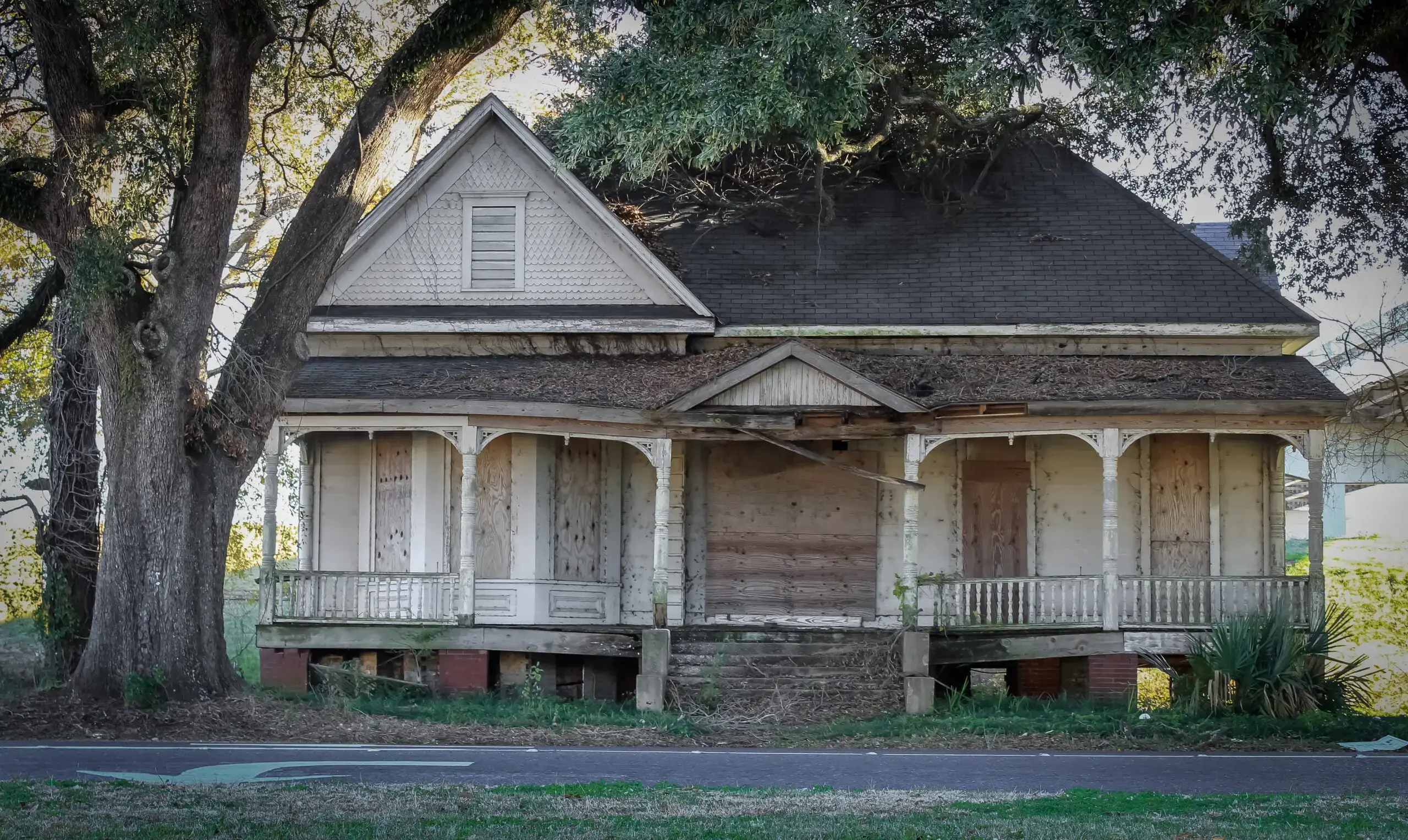
Selling a Fixer-Upper in Georgia: Renovate or Sell As-Is?
Selling a fixer-upper can feel like a tough decision for many Georgia homeowners. On one hand, renovating could increase your home’s value. On the other hand, repairs take time, money, and energy—resources not everyone has. Whether your property needs cosmetic updates or major system repairs, deciding between renovating and selling as-is requires a clear understanding of Georgia’s housing market, your goals, and your budget.
Understanding Fixer-Uppers in Georgia’s Housing Market
Georgia has a diverse housing landscape, ranging from historic homes and mid-century properties to newer suburban builds. In many areas, especially older neighborhoods and college towns, fixer-uppers are common. Buyers may be attracted to character and location, but they’re also cautious about repair costs, inspections, and financing hurdles.
In cities like Athens, older homes near downtown or campus areas often need updates to plumbing, electrical systems, roofing, or HVAC. These repairs can significantly affect how—and how quickly—a home sells.
The Case for Renovating Before You Sell
Renovating can make sense in certain situations. If your home only needs minor cosmetic improvements—fresh paint, updated fixtures, landscaping, or small repairs—you may see a solid return on investment. These changes can improve first impressions, attract more buyers, and potentially raise your sale price.
Renovations may also help your home qualify for traditional financing. Buyers using FHA or conventional loans often face strict inspection requirements. Addressing key issues in advance can reduce the risk of deal-breaking inspection findings.
However, not all renovations pay off equally. Major projects like full kitchen remodels, roof replacements, or foundation repairs can be expensive, and there’s no guarantee you’ll recoup the full cost when you sell.
The Risks and Costs of Renovating a Fixer-Upper
Renovation projects frequently cost more and take longer than expected. Material prices fluctuate, contractors may be booked out, and unexpected issues often surface once work begins. During this time, homeowners continue paying mortgage payments, utilities, insurance, and property taxes.
There’s also the risk of over-improving. Spending heavily on upgrades that don’t align with neighborhood values can limit your return. In a changing market, timing matters, and extended renovation timelines can expose sellers to shifting buyer demand.
Why Selling As-Is Is a Practical Option
Selling a fixer-upper as-is can be an appealing alternative, especially for homeowners who want simplicity and speed. An as-is sale means you’re selling the home in its current condition, without making repairs or upgrades.
In Georgia, as-is sales are common for inherited properties, rental homes, or houses with significant deferred maintenance. This option eliminates repair costs, reduces stress, and allows sellers to move forward without lengthy preparation.
For homeowners researching how to sell a house in Athens or other Georgia markets, selling as-is can be particularly attractive if the property is older, vacant, or located in an area where investors and renovation-minded buyers are active.
Buyer Demand for As-Is Homes in Georgia
Many buyers actively seek fixer-uppers. Investors, landlords, and renovation-focused buyers are often prepared to handle repairs themselves. They evaluate properties based on potential rather than perfection and factor renovation costs into their offers.
While as-is homes may sell for less than fully renovated ones, the trade-off is convenience. Sellers avoid upfront expenses, inspection negotiations, and the risk of deals falling through due to financing issues.
Questions to Ask Before Deciding
To determine the best path, Georgia homeowners should consider a few key questions:
- How extensive are the needed repairs?
- Do I have the budget and time to renovate?
- How quickly do I need to sell?
- Will renovations significantly increase the home’s value in my area?
- Am I prepared to manage contractors and potential delays?
Honest answers can clarify whether renovating or selling as-is better aligns with your situation.
Making the Right Choice for Your Goals
There’s no one-size-fits-all answer when selling a fixer-upper in Georgia. Renovating can work well for homes with manageable updates and strong resale potential. Selling as-is may be the smarter move when repairs are extensive, timelines are tight, or simplicity is the priority.
By understanding local market conditions, weighing costs realistically, and focusing on your personal goals, you can choose a selling strategy that feels confident and informed—whether that means picking up the toolbox or passing the home on to its next chapter as-is.
Also Read-When a Business Line of Credit for Small Business Makes Strategic Sense
