
Packaging Challenges Big Brands Face—and How They Solve Them
As brands grow, packaging stops being a simple operational task and becomes a strategic concern. What works for small product lines often breaks down at scale. Higher volumes, wider distribution, and rising customer expectations introduce new challenges that demand smarter decisions. This is why many established companies turn to a large packaging solution early on—to maintain consistency, control costs, and protect brand reputation as operations expand.
Big brands face pressure from every direction. Products must arrive intact, look consistent across markets, meet regulatory requirements, and still feel aligned with brand values. Solving these issues requires more than standard boxes and bulk orders.
Maintaining Consistency Across Regions
One of the biggest challenges large brands face is consistency. Products may be sold across cities, countries, or continents, often through multiple sales channels. Packaging must look the same whether it is purchased online, in a flagship store, or through a distributor.
Inconsistent materials, color shifts, or layout changes can weaken brand recognition. Customers notice these details, even if they cannot always explain what feels off. To solve this, brands standardize packaging specifications and work with partners who can produce at scale without variation.
Centralized design systems, strict quality checks, and controlled production runs help ensure that packaging remains uniform, regardless of volume or destination.
Protecting Products During Complex Distribution
As distribution networks grow, products spend more time in transit. They move through warehouses, trucks, sorting centers, and last-mile delivery services. Each step introduces risk.
Damage during shipping is costly. It leads to returns, replacements, and customer dissatisfaction. For large brands, even a small increase in damage rates can result in significant losses.
To address this, packaging is designed with protection in mind. Structural strength, proper cushioning, and smart box dimensions reduce movement during transit. Testing packaging under real-world conditions helps brands identify weak points before products reach customers.
Balancing Cost With Quality
Cost control becomes more complex as volume increases. Large brands cannot afford packaging that is either too expensive or too flimsy. Both extremes create problems—either financial strain or quality concerns.
The solution lies in optimization. Brands analyze materials, box sizes, and production methods to find the most efficient balance. Reducing excess space, standardizing components, and ordering at scale can lower costs without compromising appearance or protection.
Smart packaging decisions are often invisible to customers but make a major difference to margins over time.
Managing Sustainability Expectations
Sustainability is no longer optional for large brands. Customers, investors, and regulators all expect responsible packaging practices. At the same time, sustainable materials must still perform well during shipping and storage.
The challenge is finding alternatives that meet environmental goals without creating new risks. Thin materials that fail during transit or complex designs that increase waste can backfire.
Many brands solve this by simplifying packaging structures, using recyclable materials, and reducing unnecessary layers. Clear labeling helps customers understand how to dispose of packaging properly, reinforcing trust rather than creating confusion.
Adapting Packaging for Multiple Sales Channels
Big brands rarely sell through one channel. Products may move through retail shelves, e-commerce platforms, subscription services, and wholesale partners at the same time.
Each channel has different needs. Retail packaging must attract attention and communicate clearly. E-commerce packaging must protect products and survive shipping. Subscription packaging often focuses on presentation and experience.
Brands solve this by designing modular packaging systems. A core package remains consistent, while outer layers or inserts change based on the channel. This approach maintains brand identity while allowing flexibility.
Handling Large or Heavy Products
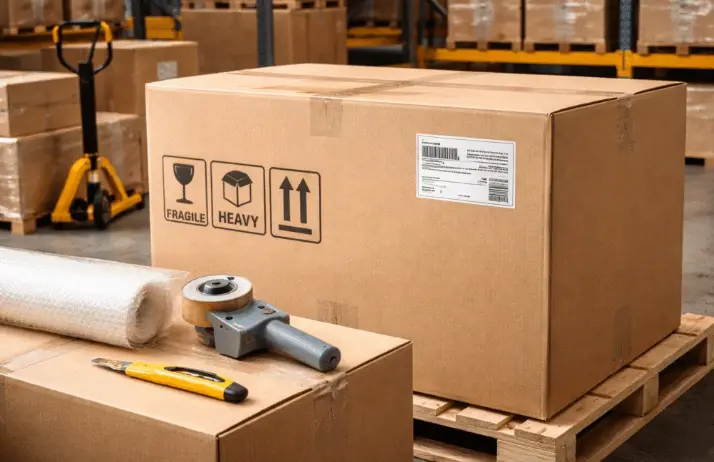
Not all products fit neatly into standard boxes. Large, bulky, or heavy items introduce unique challenges. Improper packaging can lead to safety issues, shipping damage, or increased logistics costs.
For these products, packaging must support weight, prevent shifting, and remain manageable for handlers. Reinforced materials, custom sizing, and thoughtful structural design are essential.
Brands that invest in packaging tailored to product dimensions reduce handling problems and improve delivery outcomes, even for oversized items.
Scaling Without Losing Speed
As brands grow, speed becomes critical. Delays in packaging production can slow product launches, promotions, and restocks. Relying on fragmented suppliers or custom solutions that cannot scale often creates bottlenecks.
To solve this, large brands work with partners who can handle volume increases without sacrificing timelines. Forecasting demand and maintaining buffer stock for key packaging components also helps prevent disruptions.
Reliable packaging supply supports smoother operations across the entire business.
Meeting Regulatory and Compliance Requirements
Large brands often operate in regulated industries or sell across borders. Packaging must comply with labeling laws, safety standards, and material restrictions that vary by region.
Keeping up with these requirements is challenging. A small oversight can result in recalls, fines, or shipment delays.
Brands address this by integrating compliance checks into the packaging design process. Clear documentation, standardized labeling formats, and regular reviews help reduce risk while maintaining efficiency.
Preserving Brand Experience at Scale
As volume grows, there is a risk that packaging becomes purely functional. For big brands, this can weaken emotional connection with customers.
Successful brands protect the experience even as they scale. This may involve consistent opening mechanisms, clean interior layouts, or small details that make the package feel intentional rather than mass-produced.
Customers may not expect handcrafted packaging, but they do expect care. Maintaining that sense of care builds loyalty over time.
Final Thoughts
Packaging challenges grow alongside brands. What begins as a simple box quickly becomes a complex system involving design, logistics, cost control, sustainability, and compliance. Big brands that succeed are those that treat packaging as a strategic asset rather than an afterthought.
By addressing challenges proactively and choosing solutions built for scale, brands protect their products, strengthen their identity, and maintain trust across markets. In a competitive landscape, packaging done right supports growth rather than slowing it down.
