
Best Practices for Efficient Furnace Installation
Key Takeaways
- Proper furnace sizing is crucial for efficiency and comfort.
- Well-designed and sealed ductwork enhances system performance.
- Regular maintenance extends your furnace’s lifespan.
Installing a furnace goes beyond simply selecting a unit and having it installed in your home. The process has long-term implications for comfort, energy savings, and the overall safety of your household. If you live in a colder climate like Ontario, selecting a provider that specializes in furnace installation in Mississauga can make all the difference. Ensuring the job is done correctly from the outset guarantees efficiency and reliability during the coldest months.
Many homeowners overlook that installation is just as critical as the product itself. A furnace that is improperly installed, incorrectly sized, or paired with faulty ductwork can result in energy loss, uneven heating, and even safety hazards over time. The goal of this guide is to walk you through the essential steps and considerations for an efficient, effective, and time-tested furnace installation.
Accurate Load Calculations
A successful furnace installation starts with a thorough understanding of your home’s heating requirements. This is achieved through a Manual J load calculation, which considers your home’s square footage, insulation quality, window type, and exposure to sunlight. Without this calculation, choosing a furnace is a guessing game. An oversized unit will cycle on and off too frequently, causing unnecessary wear and higher utility bills, while an undersized unit will struggle to keep up on colder days. Investing time in accurate load calculations creates a foundation for comfort and correct operation.
Proper Ductwork Design and Sealing
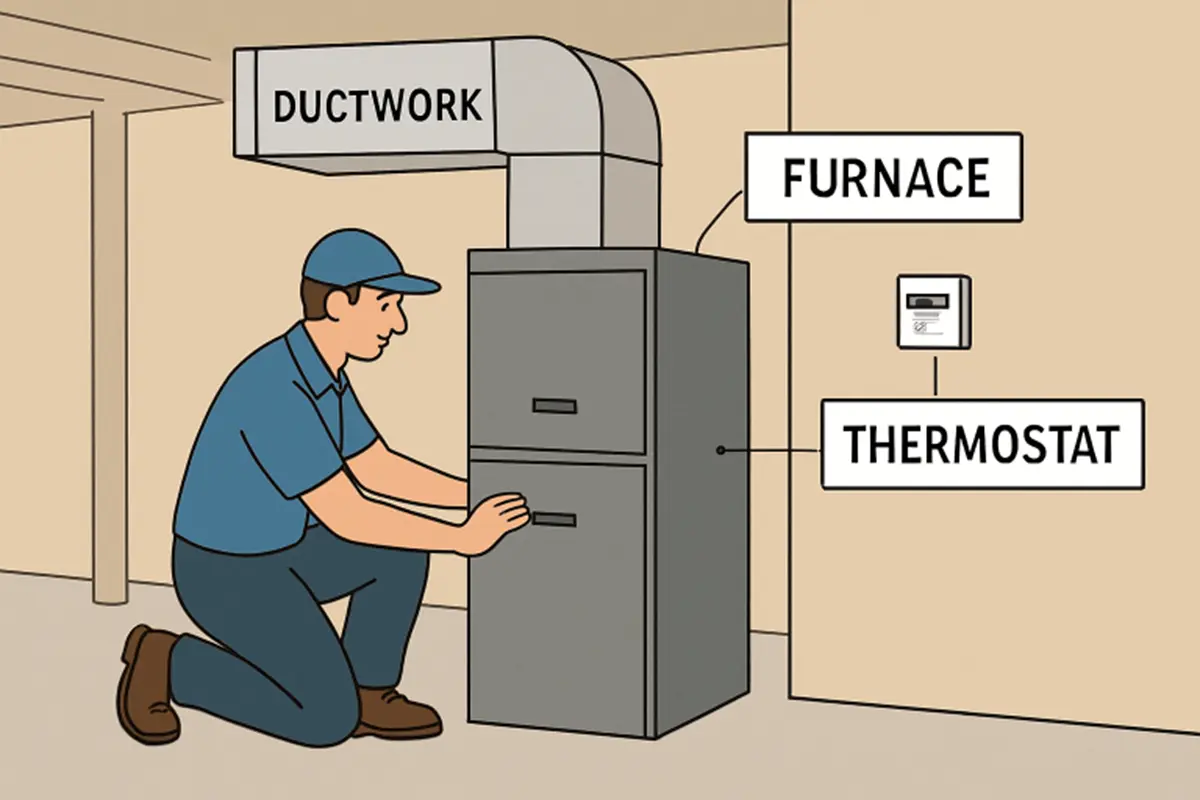
Ductwork plays a crucial role in distributing heated air from the furnace to every room. Ducts that leak or are improperly insulated can lose 20 to 30 percent of heated air before it reaches where it’s needed. This translates directly into wasted energy and higher utility bills. Ensuring that ducts are the right size, leak-free, and well-insulated is essential to maximizing efficiency. Routine duct inspections and prompt repairs help maintain consistent temperatures throughout your home and keep your furnace working efficiently.
Professional Installation
Even a top-of-the-line furnace will underperform if not installed by a licensed and experienced HVAC professional. A certified contractor will install the system in accordance with local building codes and manufacturer specifications, minimizing the risk of future issues. They can also verify that all connections, including electrical wiring and gas lines, are safe and compliant. Hiring a professional not only ensures that your warranty remains valid but also provides peace of mind, knowing your furnace installation is safe and optimized. For more on what to look for in an HVAC contractor, visit Angi’s guide.
Regular Maintenance
Proper care does not stop with installation. Your furnace requires ongoing maintenance to deliver peak performance year after year. Essential tasks include replacing or cleaning air filters every one to three months, scheduling annual professional inspections, and cleaning ductwork when needed. Consistent maintenance helps catch small issues before they turn into expensive repairs and can significantly extend your furnace’s life.
Implementing Zone Heating
Many modern homes benefit from zone heating systems. Zone heating lets you control temperatures in different parts of your house independently, so you don’t waste energy heating unused rooms. This targeted approach leads to greater comfort and can result in significant savings on your monthly heating bills. Upgrading to a zoning system may involve installing additional thermostats and damper controls, but the upfront investment pays off through improved efficiency.
Upgrading to Smart Thermostats
Smart thermostats represent a significant leap forward in home heating technology. These devices let you program and control your furnace remotely, adapt to your routine, and receive detailed energy usage reports. Smart thermostats can optimize your furnace operation for both comfort and efficiency. When paired with a properly sized and installed furnace, they help you get the most out of your investment. For further reading on the advantages of smart thermostats, browse this resource from The New York Times’ Wirecutter.
Ensuring Proper Ventilation
Furnace safety is paramount, and proper ventilation is a key factor. Furnaces produce combustion gases that need to be safely vented outside the home. Improper venting can expose your household to hazards, such as carbon monoxide. Confirm that all vent pipes are properly installed and regularly inspected, and always follow local code requirements to safeguard your family’s well-being.
Monitoring Humidity Levels
During the colder months, running your furnace can cause indoor air to become too dry, making your spaces feel cooler than they are. This often leads to higher thermostat settings and increased energy use. Using a humidifier to keep indoor humidity at ideal levels (typically 30-50 percent) can increase comfort while allowing you to lower your heat setting, reducing strain on your furnace and boosting overall efficiency.
Applying these best practices during and after installation ensures your furnace provides reliable, efficient, and safe heating. Investing in quality installation and regular upkeep provides comfort for years to come while keeping your energy costs under control.
