
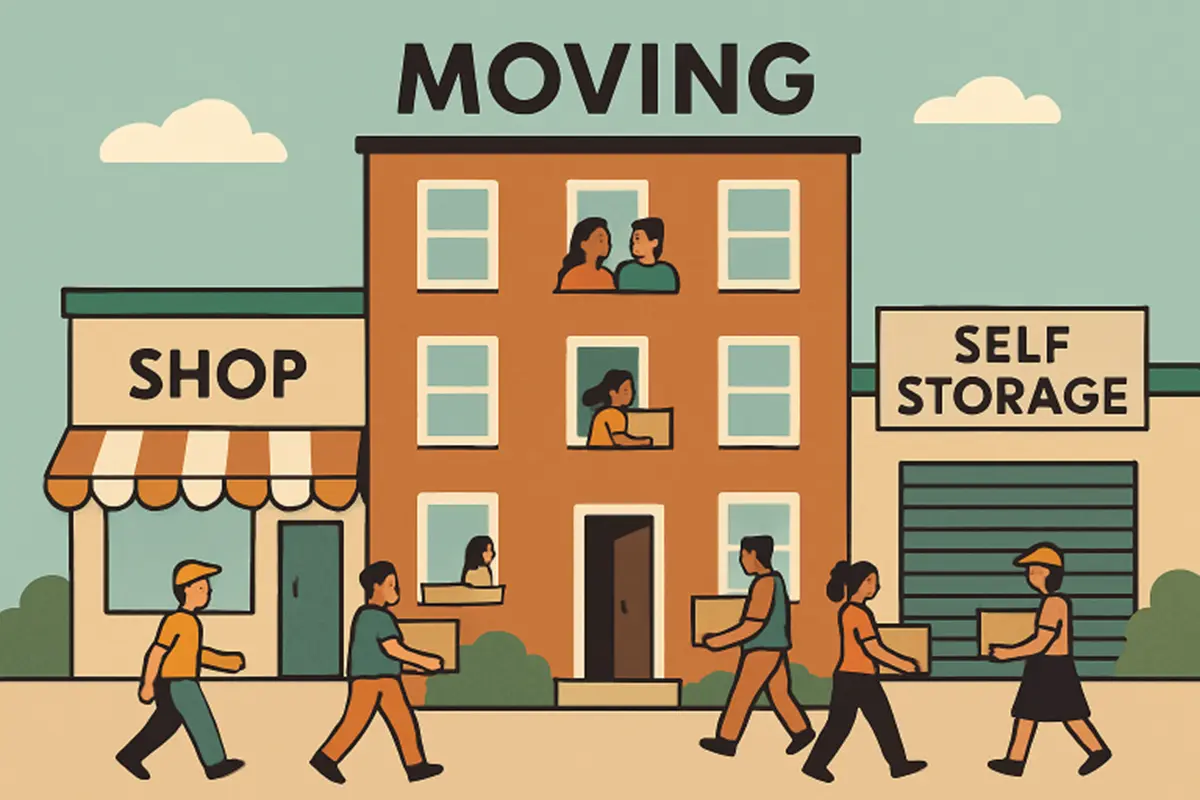
How Fast Apartment Turnover Fuels Community Growth
Key Takeaways:
- Rapid apartment turnover can stimulate local economies by increasing demand for services and amenities.
- High turnover rates may lead to challenges in community cohesion and increased demand for self-storage solutions.
- Understanding the balance between turnover and stability is crucial for sustainable community development.
The Dynamics of Apartment Turnover
Apartment turnover, the rate at which tenants vacate and new tenants occupy rental units, serves as a critical gauge for rental markets and neighborhood transformation. As families, professionals, and students seek new opportunities, the movement of tenants reflects larger economic and social trends. The volume and frequency of turnovers not only shape the character of communities but also determine the vitality and inclusiveness of local neighborhoods. If you’re interested in apartment turnover services and their impact on communities, you can learn more about the specialized solutions available.
In rapidly growing urban centers, high turnover is a clear signal of change. It invites diversity, new perspectives, and evolving lifestyles, all of which are fundamental to the vibrancy of local areas. However, the pace and consistency of these changes can create unique challenges for both tenants and property managers as they navigate the balance between growth and stability.
The emerging patterns of turnover also reflect broader shifts in housing preferences, such as the trend toward smaller living spaces and more transient urban lifestyles. When managed effectively, these changes can enhance a city’s cultural and economic fabric. But left unchecked, high turnover can disrupt community networks and strain resources designed to support stable residency.
As high turnover becomes increasingly common in cities experiencing rapid population growth and development, it’s essential to analyze the full spectrum of its implications from economic advantages to the impacts on neighborhood cohesion and infrastructure.
Economic Impacts of High Turnover Rates
One of the most immediate effects of rapid apartment turnover is a boost in local economic activity. Each move brings waves of new demand, tenants often require everything from moving services and furniture to connectivity, groceries, and entertainment. For instance, cities like Austin, Texas, have witnessed dynamic apartment turnover fueling the rise of local businesses that cater to a constantly changing population.
New residents inject disposable income into the economy, increasing the need for local dining, recreation, fitness centers, and communal events. Such economic churn supports job creation, business growth, and infrastructure investment, which underpin thriving, adaptive communities. Property management companies also play a vital role by investing in marketing, upgrades, and maintenance to attract the next wave of tenants, further supporting the local employment base.
Challenges in Community Cohesion
While cities benefit economically from turnover, fast-paced tenant turnover can challenge the building of lasting community ties. Neighbors may not have enough time to form connections, collaborate on neighborhood initiatives, or build the trust that underpins a healthy community. Diminished bonds can lead to a decline in civic participation and may affect neighborhood safety, with residents feeling less invested in their surroundings.
Research indicates that neighborhoods with high turnover often exhibit a weaker sense of identity and belonging. Without deliberate community engagement initiatives, the intrinsic value of strong, interconnected neighborhoods can erode, influencing overall resident satisfaction and long-term retention.
Increased Demand for Self-Storage Solutions
As frequent moves and smaller apartments become more common, self-storage facilities have become a critical amenity for urban dwellers. Residents often require temporary storage between leases or extra space for belongings that won’t fit in their current homes. This demand has fueled the growth of the self-storage industry, particularly in booming metro areas where apartment construction is continually on the rise.
In Texas, for example, the apartment boom has paralleled the expansion of self-storage facilities, creating a key auxiliary industry that supports both transitioning tenants and urban property managers. This symbiotic relationship highlights how ancillary businesses can flourish in high-mobility environments, meeting the needs of renters while contributing to local economies.
Balancing Turnover and Stability
Sustainable community development hinges on striking the right balance between welcoming new faces and fostering stability for existing residents. Programs that encourage longer tenancy, such as lease renewal incentives, transparent communication, and community-building events, help reduce resident churn while maintaining economic momentum.
For property owners and city planners, monitoring turnover rates is a strategic necessity. Policies that nurture a sense of belonging, such as on-site amenities, security enhancements, resident events, and responsive management, can extend lengths of stay and foster resilient, adaptive communities that thrive amid change.
Conclusion
Apartment turnover sits at the heart of dynamic, growing communities. While its economic benefits are clear, responsible management is crucial for maintaining social cohesion and ensuring lasting neighborhood vibrancy. By understanding and managing the many facets of turnover, cities, property managers, and residents alike can cultivate an environment where both economic opportunity and a strong sense of belonging flourish.
Also Read
