
How to Clean and Maintain Your Washing Machine
A washing machine feels like a quiet partner in the home, working through each load with calm reliability.
When it’s cared for with steady attention, the whole laundry routine becomes smoother and far more pleasant.
Clean clothes begin with a clean machine, and that simple truth sets the tone for everything that follows.
Keeping Your Machine Fresh Through Gentle Habits
Regular upkeep creates a quieter rhythm in the home as the seasons shift.
Dust, residue and lingering moisture can gather within the hidden corners of the drum or beneath the drawer, yet simple cleaning habits help the appliance stay dependable.
Warm water, soft cloths, and light detergents play a helpful role, and these small actions protect the internal parts from unnecessary strain.
Mineral deposits from hard water gradually settle along the inner surfaces, which affects both performance and smell. Detergent that hasn’t dissolved completely can cling to the drawer or around the seal.
When left unattended, these traces create patches of mildew that drift into the fabric of freshly washed garments. A gentle inspection now and then encourages a healthier environment inside the appliance.
It means looking at the seal for trapped debris, checking for bits of lint in the drawer channel and listening out for unusual sounds that might hint at a hidden blockage.
When clothes begin to smell stale after a cycle, the appliance usually needs a thorough cleanse. Slow drainage can also indicate a filter problem. A calm and steady approach works best, allowing each component to be refreshed without rush.
A quiet check of these elements every month helps prevent more serious problems from emerging later on, and that quiet rhythm supports the larger goal of reliable household care.
Giving the Drum the Care It Deserves
The drum is where the everyday magic of clean clothes happens, and giving it proper attention keeps this central space comfortable and fresh.
A warm cycle with a measured amount of white vinegar removes residue that clings to the stainless surface. Vinegar has a naturally softening effect on mineral deposits, breaking them down so they lift more easily.
After that, a second cycle with baking soda helps soothe any remaining scent and clears the last traces of grime.
Once the cycle finishes, a damp cloth can glide along the inner wall to pick up softened particles. A slower wipe along the base of the door clears the faint grit that gathers in corners that rarely see daylight.
The aim is to restore a cool, clean surface that supports the washing process without leaving lingering odours.
Careful use of detergent matters too. Excess product contributes to sticky films and cloudy patches that dull the steel, so following the recommended dose is a small yet important act of protection.
Lighter loads also create a healthier balance. Heavy baskets strain the appliance and limit the movement of water during the cycle. Balanced use treats the drum with respect, allowing it to perform at its best without unnecessary pressure.
These simple habits support the consistent flow of warm water and gentle motion that brings garments back to life.
Creating a Healthier Environment Around the Seal
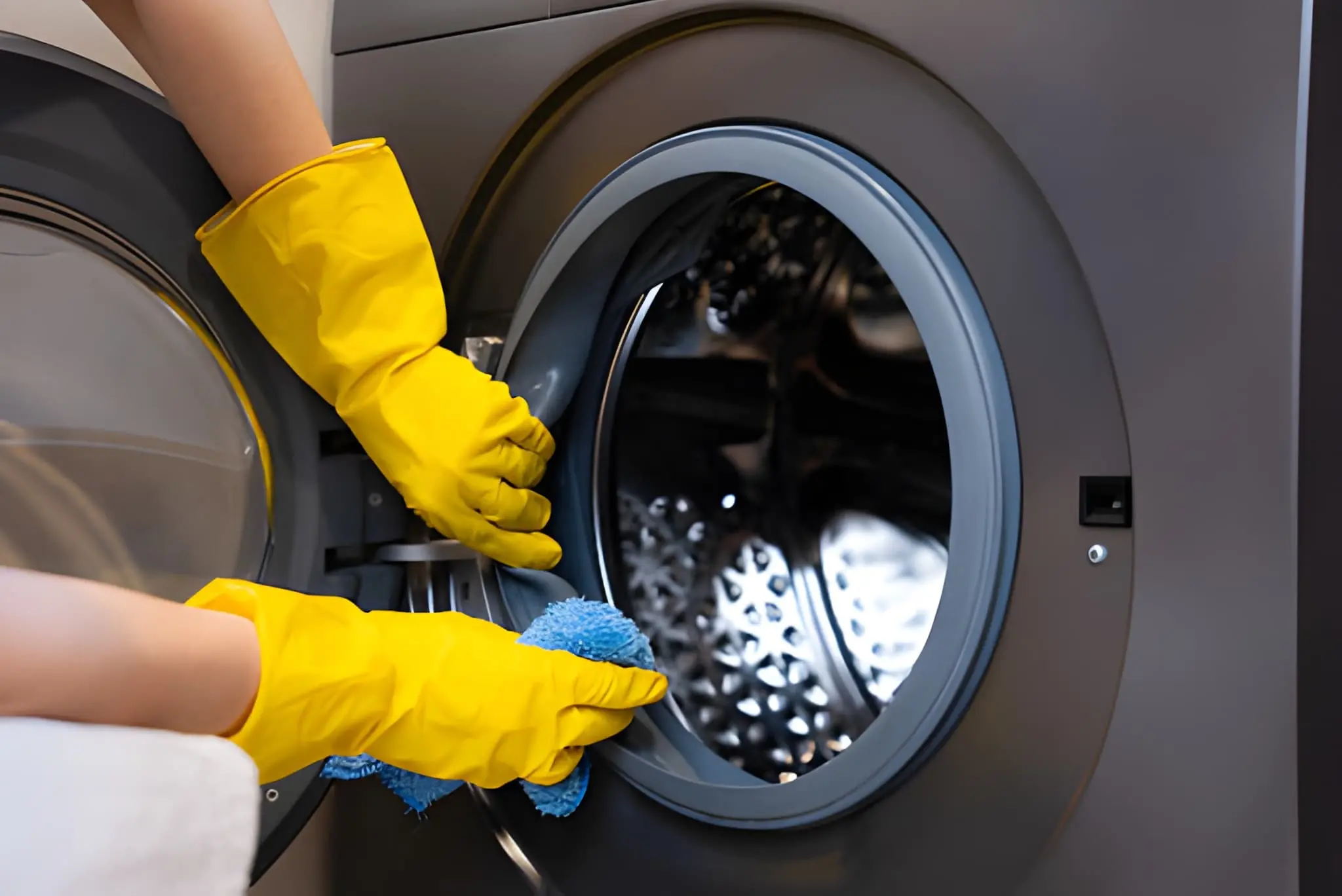
The seal around the door holds back water during each wash, yet it’s one of the areas where moisture settles most easily. Its folds can trap tiny pieces of fabric, dust, or loose threads.
Clearing these spaces with warm water and a little vinegar removes the conditions that allow mildew to bloom. It also protects clothing from picking up faint earthy scents that linger in damp corners.
A thoughtful inspection after each use helps maintain the seal. A cloth pressed gently between the folds collects droplets before they have the chance to pool.
Leaving the door slightly open supports natural circulation, allowing fresh air to drift through the space. Over time, this habit protects the rubber from early wear and helps maintain its flexibility.
Coins, hair clips or narrow buttons may also rest within the channel. Removing them protects the appliance from damage during future cycles.
A gentle touch works well here, ensuring the seal remains intact while being thoroughly cleaned. The result is a soft yet reliable boundary that works in harmony with the rest of the appliance.
Refreshing the Drawer and Filter for Stable Performance
The detergent drawer experiences constant moisture, and this creates a haven for residue. Taking the drawer out every few weeks and placing it in warm water loosens the layers that cling to its edges.
A small brush works well for the tight corners, restoring a smooth path that allows detergent and softener to travel freely.
The filter is equally important, as it quietly collects lint, small threads, and other fragments. It’s usually located behind a small door near the base of the appliance. Placing a shallow tray beneath it collects the water that escapes when the cap is opened.
Clearing the filter supports proper drainage and reduces the chance of water spreading across the floor during a cycle.
Mineral scales can settle in hidden pockets of the machine as well, so a commercial descaler or measured vinegar cycle keeps the internal pathways clear.
An annual visit from a property cleaning professional can also be helpful, especially in homes with hard water. Their trained eyes can spot early signs of strain and keep small concerns from becoming costly problems.
Encouraging Long-Term Care with Careful Practices
Caring for the appliance becomes far easier once there’s a simple routine in place.
Linking a quick check of the machine to regular household tasks, such as wiping kitchen surfaces or folding laundry, helps keep cleaning from feeling like an extra chore.
A calm glance inside the drum for loose items offers protection against filter blockages, while checking that the machine sits level reduces unnecessary vibration during a spin.
It also helps to look at the base now and then to make sure nothing has shifted beneath the feet, especially after heavier loads.
Every few months, set aside a quiet moment to look for early signs of trouble and listen for new rattles that hint at wear.
Checking the hoses for damp patches or slight bulges can prevent leaks before they start, and acting on these small changes early supports dependable performance and lowers the chance of sudden breakdowns.
Conclusion
Looking after the machine takes only a small amount of effort, yet the results are felt each time a cycle runs smoothly.
Fresh clothes rely on a clean, well-maintained appliance that performs without fuss.
When these routines become part of everyday life, the whole laundry process feels lighter and far more pleasant.
