
How Modern Homeowners Are Turning Their Homes into Financial Assets
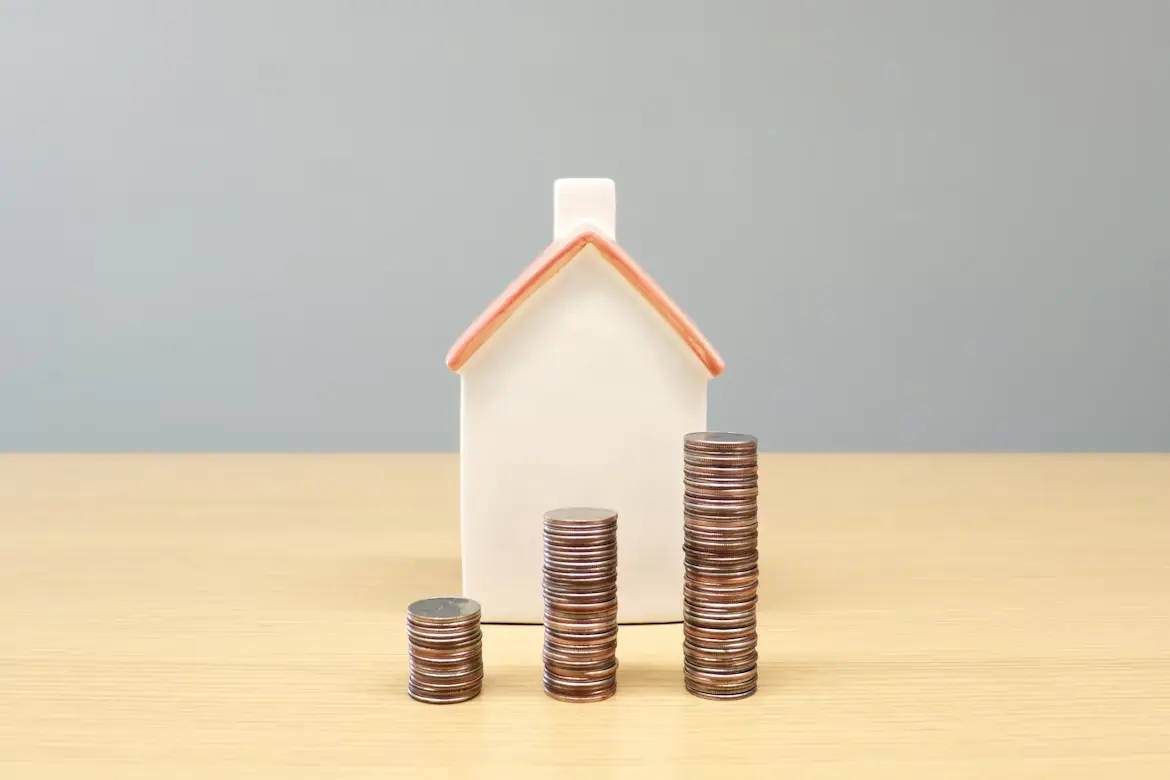
In today’s evolving economy, the concept of homeownership has expanded far beyond simply owning a place to live. Modern homeowners are increasingly viewing their properties as dynamic financial assets capable of generating wealth, offering financial flexibility, and securing long-term stability. This mindset shift represents a modern approach to personal finance — one where the home is not just a residence but a strategic investment tool that works for the owner.
As property values continue to grow and access to innovative financial tools becomes easier, homeowners are finding smarter ways to use their homes as vehicles for building wealth. From using equity strategically to transforming spaces into income-generating opportunities, the modern homeowner is redefining what it means to invest in real estate.
Leveraging Home Equity Through Smarter Financing
One of the most powerful strategies modern homeowners use to turn their homes into assets involves tapping into their existing home equity through a HELOC loan. A Home Equity Line of Credit (HELOC) is a revolving credit line that enables homeowners to access funds based on the equity they have accumulated in their property.
In simple terms, it enables access to funds based on the difference between the home’s market value and the outstanding balance of the mortgage.
What makes this financial tool particularly attractive is its flexibility. Unlike a traditional lump-sum payment structure, a HELOC functions much like a credit card — homeowners can withdraw funds as needed, repay them, and borrow again within the set credit limit. This makes it ideal for funding strategic projects such as home improvements, education, or even small business ventures.
For many, this approach transforms homeownership into a flexible financial resource rather than a fixed investment. It provides liquidity while maintaining ownership and long-term value.
Turning Living Spaces into Income Opportunities
Another significant trend among modern homeowners is the rise of income-generating properties. Spare rooms, guest houses, and even converted garages are being transformed into rental units or short-term accommodations. This not only helps offset living costs but also generates a steady income stream that contributes directly to mortgage payments or savings goals.
Technology has made this shift even more accessible. With digital platforms that connect renters and travelers to property owners, homeowners can manage rentals more efficiently than ever before.
The result is a growing movement toward micro-investing within one’s own property — a model that allows people to maximize the financial potential of their existing assets without needing to acquire new properties.
Investing in Energy Efficiency and Modern Upgrades
Modern homeowners also recognize that strategic upgrades can significantly increase a property’s worth. Energy-efficient installations, smart home technologies, and aesthetic renovations not only enhance comfort and convenience but also position the home as a more valuable financial asset.
By integrating solar energy systems, efficient insulation, or advanced temperature control technologies, homeowners reduce long-term energy expenses while increasing property desirability. Similarly, smart upgrades — such as security systems or automated lighting — appeal to future buyers, offering a competitive edge in the real estate market.
Building Wealth Through Appreciation and Strategic Timing
Property appreciation remains one of the oldest and most reliable ways homes function as financial assets. Over time, real estate tends to gain value due to market demand, location development, and inflation. However, modern homeowners are no longer passive participants in this process. They are actively engaging in strategies that maximize appreciation through calculated maintenance, market awareness, and smart resale timing.
By understanding real estate cycles and local market trends, homeowners can make informed decisions about when to buy, sell, or refinance. They also stay proactive about maintaining the property’s condition, knowing that consistent upkeep directly affects long-term value.
This perspective turns the home into a living investment — one that grows not by chance but through deliberate, informed management. Homeowners who treat their properties with this level of attentiveness often realize greater equity and stronger financial resilience over time.
Using Homes for Retirement Security
For many modern homeowners, the property they live in doubles as a key component of their retirement plan. As they build equity over time, the home becomes a powerful financial resource that can support post-retirement needs. Some choose to downsize to unlock the value of their larger property, while others convert part of their homes into rentable spaces to generate passive income.
This strategy reduces dependence on traditional retirement savings alone and adds an additional layer of financial flexibility. Moreover, because housing typically represents one of the largest personal expenses, owning a fully paid home eliminates rent or mortgage payments — allowing retirees to allocate funds elsewhere.
Real Estate as a Platform for Diversified Investment
Beyond personal living and rental opportunities, many homeowners are leveraging their properties as stepping stones toward broader investment portfolios. Some use the capital gained from appreciation or equity to invest in additional real estate, creating multiple income sources. Others channel these funds into complementary ventures such as property flipping or real estate development partnerships.
This diversification allows homeowners to reduce financial risks while increasing overall returns. Rather than relying solely on one income stream, they are building layered investments rooted in their primary property. This approach reflects a deeper understanding of how real estate can serve as a foundation for lasting financial independence.
The Shift from Ownership to Active Asset Management
What sets modern homeowners apart is their mindset. They no longer view their homes as static assets but as evolving components of a broader financial strategy. Through creativity, strategic financing, and technological empowerment, they are finding ways to make their properties work for them.
Whether through equity utilization, rental income, or long-term appreciation, the modern approach to homeownership focuses on maximizing value and financial efficiency. Homes are becoming more than shelters; they are active participants in wealth creation.
As financial landscapes continue to evolve, this shift toward treating homes as dynamic assets rather than fixed possessions will only grow stronger. Modern homeowners understand that the true value of a home lies not only in its walls and foundations but in the opportunities it unlocks for financial growth and long-term prosperity.
