
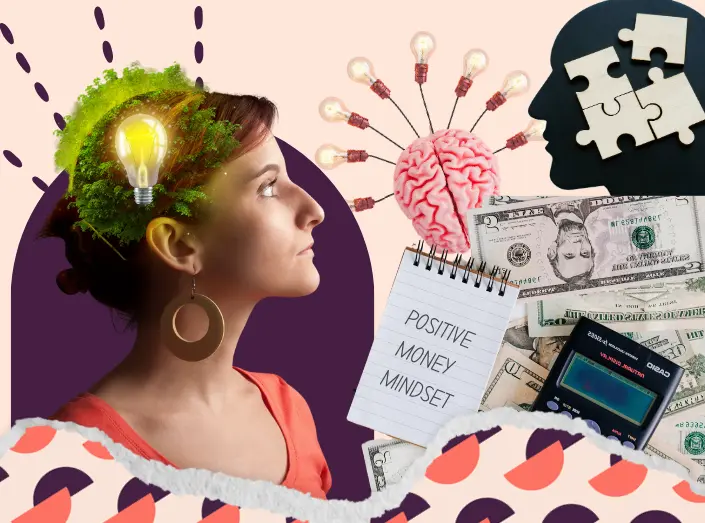
How Your Money Beliefs Impact Your Life
What you believe about money plays a bigger role in your life than you might realize. These beliefs—often formed in childhood or shaped by culture and family—live quietly in the background, guiding your decisions, influencing your emotions, and even shaping your relationships. Some of these beliefs are empowering, while others may limit your potential or hold you back financially. They can influence whether you view opportunities with confidence or with fear, and they often surface in the way you spend, save, or borrow. For example, someone might choose debt consolidation as a way to simplify repayment, but their underlying beliefs about money will determine whether that decision feels like empowerment or defeat.
The Subconscious Influence of Money Scripts
Money beliefs, sometimes called money scripts, often operate at a subconscious level. You may not even realize they are guiding you. A child who hears “we can’t afford that” repeatedly may grow up believing scarcity is inevitable. Another child who watches their parents spend lavishly when happy might link money to emotional release. These scripts become default settings, driving how you relate to money as an adult. Unless you pause to identify them, you may find yourself repeating financial patterns without fully understanding why.
How Beliefs Affect Everyday Behavior
Your money beliefs show up in countless ways. If you believe money is hard to keep, you might cling to savings but resist investing. If you think money should be spent freely, you may struggle to build long-term security. These patterns are not just about dollars and cents—they affect your emotional well-being. Beliefs rooted in fear often lead to stress or avoidance, while beliefs grounded in confidence promote balance and growth. The way you tip at a restaurant, talk about bills with a partner, or choose a career path can all be traced back to these underlying beliefs.
Impact on Mental Health and Stress
The link between money beliefs and mental health is strong. When your beliefs lean negative, money becomes a constant source of worry. For example, a person who believes debt equals failure may experience shame that keeps them from seeking help or discussing solutions. On the other hand, a belief that financial setbacks are temporary challenges can ease stress and promote resilience. Changing your money beliefs is not just about financial improvement—it is also about protecting your emotional well-being.
Influence on Relationships and Communication
Beliefs about money also shape how you interact with others. In relationships, money is one of the top causes of conflict. If one partner views money as security and the other sees it as freedom, disagreements are bound to happen. These conflicts are not about math—they are about beliefs. By identifying and openly discussing money scripts, couples can better understand each other’s perspectives and create shared financial goals. Respectful communication is much easier when both people recognize the beliefs driving their habits.
Connection to Career Choices and Opportunities
Your career path can also reflect your money beliefs. If you grew up believing wealth is greedy, you might avoid high-paying fields or turn down promotions, even unconsciously. If you associate money with status, you may pursue a career you don’t love just for the paycheck. In both cases, beliefs shape choices in ways that extend far beyond your bank account. Recognizing and adjusting these beliefs allows you to make career decisions based on values and goals rather than outdated narratives.
Steps to Reframe Money Beliefs
The good news is that money beliefs are not fixed. You can challenge and reshape them with awareness and practice. Start by writing down the messages you remember hearing about money while growing up. Next, ask yourself if those beliefs still serve you today. Replace unhelpful scripts with healthier ones—for example, change “I’m bad with money” to “I’m learning to manage money better every day.” Surround yourself with positive influences, seek financial education, and take small actions that reinforce your new mindset. Each intentional step helps build a more empowering relationship with money.
Why This Matters for Your Future
Your money beliefs don’t just impact your present—they shape your future. They influence whether you approach goals with confidence, whether you take risks or avoid them, and how you bounce back from setbacks. By uncovering, challenging, and reshaping your money scripts, you open the door to opportunities and growth. A healthy mindset about money creates room for financial freedom, emotional peace, and stronger relationships.
Conclusion: Taking Control of Your Money Story
At the heart of it, money beliefs are powerful because they influence not only your wallet but also your sense of identity and possibility. If you leave them unexamined, they may quietly guide your life in ways you never intended. But if you bring them to light, challenge the ones that hold you back, and build new beliefs that align with your goals, you gain the ability to write a healthier money story. Your life improves not just financially but emotionally and relationally too.
Also Read-How to Cut Costs and Boost Productivity with Smarter Tech Infrastructure
