

Hosting Afternoon Tea: Elevate the Experience with an English Porcelain Tea Set
Introduction
Recently, afternoon tea’s allure has surged again, largely due to the elegance of English porcelain tea sets. These sets blend history, craftsmanship, and sophistication, serving as both functional items and works of art that enhance the tea ritual. Capturing tradition, these sets invite moments of tranquility and typically include teapots, cups, saucers, creamers, and sugar bowls. Crafted from fine kaolin clay, their beauty and strength are timeless, thanks to master potters’ skills. This article explores how these sets elevate gatherings, delves into afternoon tea history, and offers tips for selecting the perfect set, appealing to both newcomers and seasoned enthusiasts.
The History of Afternoon Tea
1. Origins in High Society
The tradition of afternoon tea has its roots in early 19th-century England, specifically when Anna, the Duchess of Bedford, is credited with pioneering this practice. During this period, it was customary for people to have only two main meals a day: breakfast and a late dinner. The Duchess, feeling hungry during the afternoon, began to request a selection of light snacks, accompanied by tea, to be served privately in her boudoir. This small yet elaborate ritual soon piqued the interest of her acquaintances and moved beyond the confines of the Duchess’s personal quarters.
2. Social Evolution
By the late 19th century, the concept of afternoon tea had evolved from a private indulgence into a well-established social event, especially among the upper echelons of society. It became a fashionable way to engage with friends, offering a perfect setting for not only showcasing hospitality but also exquisite porcelain tea sets. These gatherings, often lavish affairs, included an assortment of finger sandwiches, scones with clotted cream and jam, and delicate pastries, all arranged with the utmost care.
3. The Role of English Porcelain
During this period, porcelain tea sets gained popularity for their durability and aesthetic appeal. Factories such as Wedgwood and Royal Worcester began perfecting their techniques and designs, producing tea sets that were not only functional but also artistic expressions of the time. The incorporation of beautifully designed porcelain cups and teapots elevated the tea experience, making it a visual as well as sensory delight.
4. Cultural Significance
As afternoon tea became ingrained in British culture, it began to reflect broader societal shifts and even economic changes. The tradition trickled down from the aristocracy to the middle classes, becoming a daily or weekly ritual in many homes. It served as an egalitarian space where different social classes could enjoy similar pleasures within varying degrees of formality.
5. Modern Adaptations
Afternoon tea, while less formal today, remains a beloved tradition in England and globally. Modern tea experiences now include herbal and specialty teas, vegan options, and themed events, blending innovation with classic elegance. English porcelain tea sets remain central, highlighting the ritual’s historical charm and function for a broad audience. This evolution showcases both a social custom and the appeal of porcelain tea sets in this enduring tradition.
Setting the Scene: Creating the Perfect Ambiance
Creating the perfect ambiance for serving tea is an art unto itself, harkening back to the elegance and sophistication of afternoon tea traditions. The setting for a tea service can greatly enhance the experience, making it not just about the tea itself but about the overall presentation and atmosphere. Here, we delve into the key elements that contribute to an inviting and refined tea ambiance.
1. Exquisite Table Settings
The table arrangement serves as the canvas for any tea gathering, starting with a crisp, pristine tablecloth that sets the tone for the occasion. Whether opting for minimalist white or embroidered linens, the tablecloth is the backdrop that ties the overall aesthetic together. Complementing it with delicate lace or satin napkins adds an extra touch of class and comfort.
2. The Role of English Porcelain
No tea setting would be complete without the signature elegance of an English porcelain tea set. The gleaming surfaces of the teacups and teapots, adorned with intricate designs, serve as focal points of the table. Patterns ranging from timeless floral motifs to regal gold trim can be chosen to match the occasion, reflecting both personal style and historical charm.
3. Floral Arrangements and Centerpieces
The addition of floral arrangements or centerpieces injects life and color into the setting. Opt for classic blooms such as roses, peonies, or lilies, elegantly placed in a vase or spread across the table in small, scattered bouquets. The fresh scent of flowers mingling with the aroma of brewing tea creates a multisensory experience that elevates the atmosphere.
4. Ambient Lighting
Lighting plays a crucial role in creating the desired mood. Soft, natural light spilling through a window creates a serene, inviting environment. For evening gatherings, consider using soft candlelight or dimmed lamps to create a warm, intimate setting. The gentle glow highlights the delicate features of the porcelain tea set, adding a magical quality to the affair.
5. Accompanying Elements
Music is another subtle but impactful addition to the ambiance. A background of gentle classical music or light jazz provides an auditory backdrop that complements the elegant visuals. Ensure the volume is low enough to allow for easy conversation, enhancing the social aspect of the gathering.
6. Engaging Conversations
The ambiance thrives on the company and conversations shared around the tea table. Light, convivial discussions foster community, echoing the social roots of afternoon tea. Harmonize elements for an immersive tea experience, capturing this cherished tradition’s elegance at home.
The Role of English Porcelain Tea Sets
English porcelain tea sets hold a prominent place in both the history of tea culture and the art of craftsmanship. From their inception in the 18th century, these exquisite sets have been celebrated for their beauty, durability, and the unique charm they bring to any tea gathering.
1. Historical Significance
The history of English porcelain tea sets is deeply intertwined with the evolution of tea drinking in Britain. When tea was introduced to England in the 17th century, the aristocracy sought vessels that complemented this exotic new beverage. The initial challenge was to create a product that could withstand the heat of boiling water while also showcasing the opulence desired by the upper classes. The development of English soft-paste porcelain in the early 1700s marked a turning point, allowing English potters to produce fine-quality tea sets that became symbols of prestige and refinement.
2. Craftsmanship and Design
Each English porcelain tea set is a testament to the skill and artistry involved in its creation. Renowned manufacturers such as Wedgwood, Royal Worcester, and Spode have set high standards with their intricate designs and delicate craftsmanship. Typical features include detailed hand-painted patterns, flourishes of gold leaf, and distinctive shapes that demonstrate both innovation and adherence to classic forms. The craftsmanship extends beyond aesthetics—English porcelain is noted for its strength, ensuring that these sets are both beautiful and practical for everyday use.
3. Cultural Influence
English porcelain tea sets are more than just functional items; they are cultural icons that have influenced tea drinking rituals globally. They embody the elegance of traditional English afternoon tea, an experience appreciated and emulated around the world. Whether used for casual gatherings or formal occasions, these sets play a central role in creating a welcoming environment that encourages relaxation and social interaction.
4. Personal and Collectible Value
For collectors, an English porcelain tea set is more than cups and saucers—it’s a historical artifact, artwork, and heirloom. Each piece carries unique tales tied to specific eras or manufacturers, adding personal and historical significance. The demand for these sets, both vintage and contemporary, highlights their enduring appeal. English porcelain tea sets blend history, craftsmanship, and culture, elevating tea drinking into a heritage-rich event, with every sip a celebration of style.
Choosing the Perfect English Porcelain Tea Set
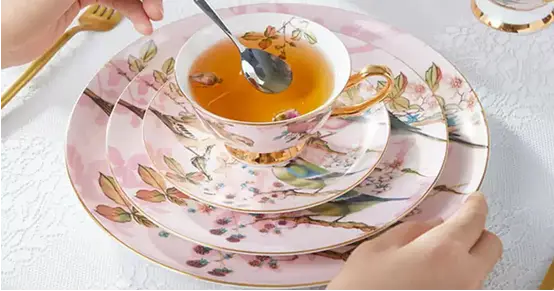
Selecting the ideal English porcelain tea set involves careful consideration of several factors to ensure it meets both aesthetic preferences and functional needs. For a wide range of elegant and high-quality options, you can explore teasetbox.com. Here’s a comprehensive guide to help you make an informed choice:
1. Understanding Styles and Patterns
One of the first decisions when choosing a tea set is selecting a style and pattern that resonates with your taste. English porcelain offers a wide array of designs, from the delicate florals of Royal Albert to the intricate patterns of Blue Willow by Spode. Classic pieces offer timeless elegance, while modern designs provide a trendy twist on tradition. Consider whether you prefer a minimalist aesthetic or a more ornate design to complement your personal style or existing home décor.
2. Evaluating Quality and Craftsmanship
When investing in a porcelain tea set, quality and craftsmanship are paramount. Look for signs of superior craftsmanship, such as even glazing, detailed hand-painted motifs, and smooth, symmetrical shapes. Reputable brands like Wedgwood and Royal Worcester are known for their high standards and are a safe choice for guaranteed quality. High-quality porcelain should feel smooth and substantial yet delicate in the hand, indicating durability and refinement.
3. Considering Size and Functionality
The size of the tea set is another essential factor, particularly in relation to the intended use. Smaller sets might be perfect for intimate gatherings, while larger sets can cater to bigger parties or more formal occasions. Consider the number of pieces included—most sets consist of a teapot, cups and saucers, a sugar bowl, and a creamer. If you often entertain, you might want additional matching pieces like cake plates or a tiered stand.
4. Budget and Investment
While it’s essential to stay within budget, an English porcelain tea set is an investment piece that can appreciate over time. Assess the value of vintage sets, which may offer the dual benefits of historic charm and collectible status. Keep in mind that pricing can vary greatly based on age, condition, rarity, and manufacturer. Whether you desire a new, contemporary collection or an antique heirloom, ensure that the purchase aligns with your financial expectations and long-term plans.
5. Practical Usage and Care
Consider the practicality of maintaining your tea set. Vintage sets may need special care and are ideal for display, while modern ones are often dishwasher safe. Know the maintenance needed to keep it exquisite over time. By evaluating these aspects, you can choose an English porcelain tea set that is both beautiful and functional, enhancing every tea occasion with joy and elegance.
Tea Selection: Complementing Your Porcelain Set
Choosing the right tea to serve in your English porcelain tea set can elevate the experience, harmonizing with the elegance and tradition that porcelain embodies. Whether you’re indulging in a solo afternoon tea or hosting a refined gathering, here are some delightful tea options to consider:
1. Classic English Choices
- English Breakfast and Earl Grey: These robust, full-bodied teas are traditional staples that pair beautifully with classic English porcelain. Their rich flavors complement the fine lines and delicate patterns of the porcelain, offering a harmonious balance between texture and taste.
- Darjeeling and Assam: Known as the “Champagne of Teas,” Darjeeling provides a lighter, more aromatic option with floral notes that can accentuate the intricate designs of your tea set. Assam, with its malty richness, offers a hearty counterpart to Darjeeling’s subtlety.
2. Flavored and Herbal Varieties
- Jasmine and Chamomile: The floral scents of jasmine and the soothing qualities of chamomile can enhance the aesthetic appeal of a floral-themed tea set. Their delicate aromas harmonize with porcelain’s smooth, polished surface, bringing an extra layer of sensory pleasure.
- Peppermint and Hibiscus: For a splash of color, peppermint and hibiscus teas provide vibrant hues that visually pop against the white or lightly colored backdrop of fine porcelain. Their refreshing nature also offers a palate-cleansing effect, ideal for afternoon gatherings.
3. Specialty and Seasonal Brews
- Chai and Spiced Teas: The warm, spicy notes of chai can bring a comforting, cozy feel to your tea service, especially in the cooler months. When served in ornate porcelain, the experience becomes an inviting ritual of warmth and relaxation.
- Matcha and Green Tea: Although not traditionally English, these teas can provide a modern twist to your tea service. The bright green of matcha can add a striking contrast to pale porcelain, particularly if you prefer a contemporary setting.
4. Sweet and Savory Pairings
To further complement your tea selection, consider offering a selection of accompaniments. Sweet options like scones, clotted cream, and jams work beautifully with black teas, while light sandwiches and pastries pair well with more delicate teas like jasmine or green tea.
By carefully selecting teas that enhance the beauty and elegance of your English porcelain tea set, you elevate not only the taste experience but also the overall environment, creating memorable moments for you and your guests.
Curating a Delectable Food Menu
When hosting a tea experience with an English porcelain tea set, it’s crucial to create a food menu that complements the elegance and charm of the setting. Here’s how you can curate a delightful menu that enhances the tea-drinking experience.
1. Traditional Treats
- Scones with Clotted Cream and Jam: A quintessential part of any English tea service, scones offer a buttery richness that pairs beautifully with both black and green teas. Serve them warm with clotted cream and a selection of jams, such as strawberry or raspberry, for an authentic touch.
- Finger Sandwiches: Light, delicate sandwiches are the perfect savory counterpart to sweet treats. Classic flavors include cucumber and cream cheese, smoked salmon and dill, and egg salad with watercress. These can be cut into neat triangles or rectangles for a refined presentation.
2. Sweet Indulgences
- Mini Pastries and Tarts: Petite pastries like éclairs, tartlets, and macarons add a dash of sweetness and color to your table. Their intricate designs and delicate textures harmonize beautifully with the intricate patterns often found on porcelain tea sets.
- Madelines and Petit Fours: These bite-sized delicacies bring a touch of elegance and variety to your menu. Madelines, with their light, buttery flavor, and petit fours, with their colorful, artistic appearance, complement a wide range of teas, especially floral and herbal varieties.
3. A Seasonal Twist
- Fruit Skewers and Sorbets: For a refreshing twist, especially in warmer months, consider serving seasonal fruit skewers featuring berries, melon, and grapes. Accompany these with a light, palate-cleansing sorbet to reinvigorate your guests between sips of tea.
- Rustic Tarts and Quiches: Embrace hearty flavors with small slices of savory tarts or quiches. Ingredients like mushrooms, spinach, goat cheese, or caramelized onions can create satisfying bites that are a hit at any gathering.
4. Presentation Tips
Use tiered cake stands or matching porcelain plates to enhance presentation and ease of sampling. Ensure balance by combining textures, flavors, and colors for an appealing spread. A well-curated menu, aligned with your tea selection and elegant set, offers a memorable experience celebrating culinary artistry and tradition.
Incorporating Themes and Personal Touches
Infusing your English porcelain tea set gathering with personalized themes and touches can turn an ordinary tea party into a memorable and meaningful experience. Whether you’re hosting a cozy afternoon with close friends or a larger, more formal event, these personalized elements can add an extra layer of charm and individuality. Here’s how you can incorporate themes and personal touches into your tea party:
1. Choose a Theme
Selecting a theme for your tea party can guide your choice of decorations, menu, and even attire. Here are a few ideas to spark your creativity:
- Victorian Elegance: Embrace the opulence of the Victorian era with lace tablecloths, antique silverware, and floral arrangements. Encourage guests to dress in period-style attire to enhance the ambiance.
- Garden Party: For a fresh, outdoor vibe, incorporate elements of nature into your decor. Use fresh flowers, potted plants, or even small terrariums as centerpieces. Herbal teas and garden-inspired treats harmonize beautifully with this theme.
- Around the World: Feature a selection of teas and delicacies from different countries. This theme opens the door to exploring global tea traditions and diverse flavors, offering your guests an international experience.
2. Add Personal Touches
Incorporating personal touches can make your tea gathering feel unique and intimate. Here are some ideas to consider:
- Monogrammed Linens: Use tablecloths or napkins embroidered with your initials or those of your guests. It’s a subtle yet sophisticated way to add a personal touch.
- Custom Place Cards: Create beautifully designed place cards with each guest’s name and a personalized note or quote. This not only shows thoughtfulness but also helps in seating arrangements.
- Signature Tea Blend: Consider offering a custom tea blend that reflects your personal tastes or the preferences of your guests. You could even send guests home with small sachets as a memento of the occasion.
- Personalized Music Playlist: Curate a playlist that resonates with the theme and your personality. Whether it’s classical tunes for a traditional feel or upbeat jazz for a modern twist, music can significantly enhance the atmosphere.
3. Crafting Memories
To create a memorable gathering, blend cohesive themes with personal touches. These elements, big or small, set the mood and create cherished memories. Infuse your personality to make your English porcelain tea set party visually stunning and unforgettable. Themes and thoughtful gestures transform it into an expression of warmth and hospitality, leaving a lasting impression.
Hosting Tips for a Smooth and Delightful Afternoon
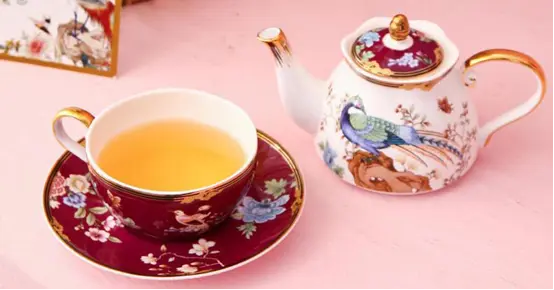
Hosting an afternoon tea party with an English porcelain tea set can be a delightful and memorable experience, provided you plan effectively. Here are some essential tips to ensure your event runs smoothly and remains enjoyable for both you and your guests:
1. Plan Ahead
- Guest List and Invitations: Decide on the number of guests you want to invite and send out invitations well in advance. Whether you choose formal invitations or a simple digital invite, ensure all necessary details are included, such as date, time, and dress code, if any.
- Menu Selection: Carefully curate your menu, balancing savory and sweet offerings. Classic choices include finger sandwiches, scones with clotted cream and jam, and a selection of pastries. Consider dietary restrictions and provide alternatives when necessary.
- Tea Selection: Offer a range of tea options, catering to different preferences. Traditional English Breakfast and Earl Grey are staples, while herbal and flavored teas offer variety. Provide detailed descriptions to guide your guests in their choice.
2. Set the Scene
- Table Setting: Utilize your English porcelain tea set as the centerpiece. Compliment it with elegant tableware and fresh flowers. Ensure each place setting has the essentials: teacup, saucer, teaspoon, plate, and napkin.
- Ambiance: Create a relaxing and inviting atmosphere. Lighting and background music should be subtle yet complementary to the setting. Candles or soft lighting can enhance the intimacy of the gathering.
- Seating Arrangements: Arrange seating to facilitate conversation. Whether it’s around a dining table or in a cozy living area, make sure that guests can interact comfortably.
3. Ensure Smooth Execution
- Time Management: Have a timeline prepared for the event. Start with teas and savory items, gradually moving to sweet treats. Pacing ensures guests have time to enjoy each course without feeling rushed.
- Service: If possible, enlist the help of a friend or hire someone to assist with serving. This allows you to focus on your guests and enjoy the afternoon alongside them.
- Adaptability: Be prepared to adapt to any unforeseen changes, from weather issues in case of outdoor gatherings to unexpected guest numbers. A flexible mindset keeps the event enjoyable for everyone.
4. Engage Your Guests
- Conversation Starters: Prepare interesting topics or questions to encourage lively discussions. Sharing a little background about your porcelain tea set and its significance can be an engaging talking point.
- Activities: Consider simple activities such as a tea tasting session or a brief presentation on the history of tea. These can enhance the experience and make it more interactive.
By following these hosting tips, you’ll ensure that your afternoon tea is a smooth, enjoyable event, leaving your guests with delightful memories of a well-executed gathering. Your attention to detail and warm hospitality will shine through each element of the event, making it a truly special occasion.
Conclusion
An English porcelain tea set transcends mere tableware; it opens the door to a tradition of elegance and social grace. Whether inherited or newly acquired, these sets bring sophistication to any occasion. Hosting tea with attention to detail—from the porcelain patterns to the teas selected—ensures a memorable experience. The rich history of your tea set can spark engaging conversations, bridging past and present. This tea ritual allows for sharing and celebrating hospitality. With a well-curated set and thoughtful planning, your gatherings become cherished events, leaving guests with lasting fondness and showcasing the enduring tradition of afternoon tea.
Also Read–How to Cut Costs and Boost Productivity with Smarter Tech Infrastructure
