
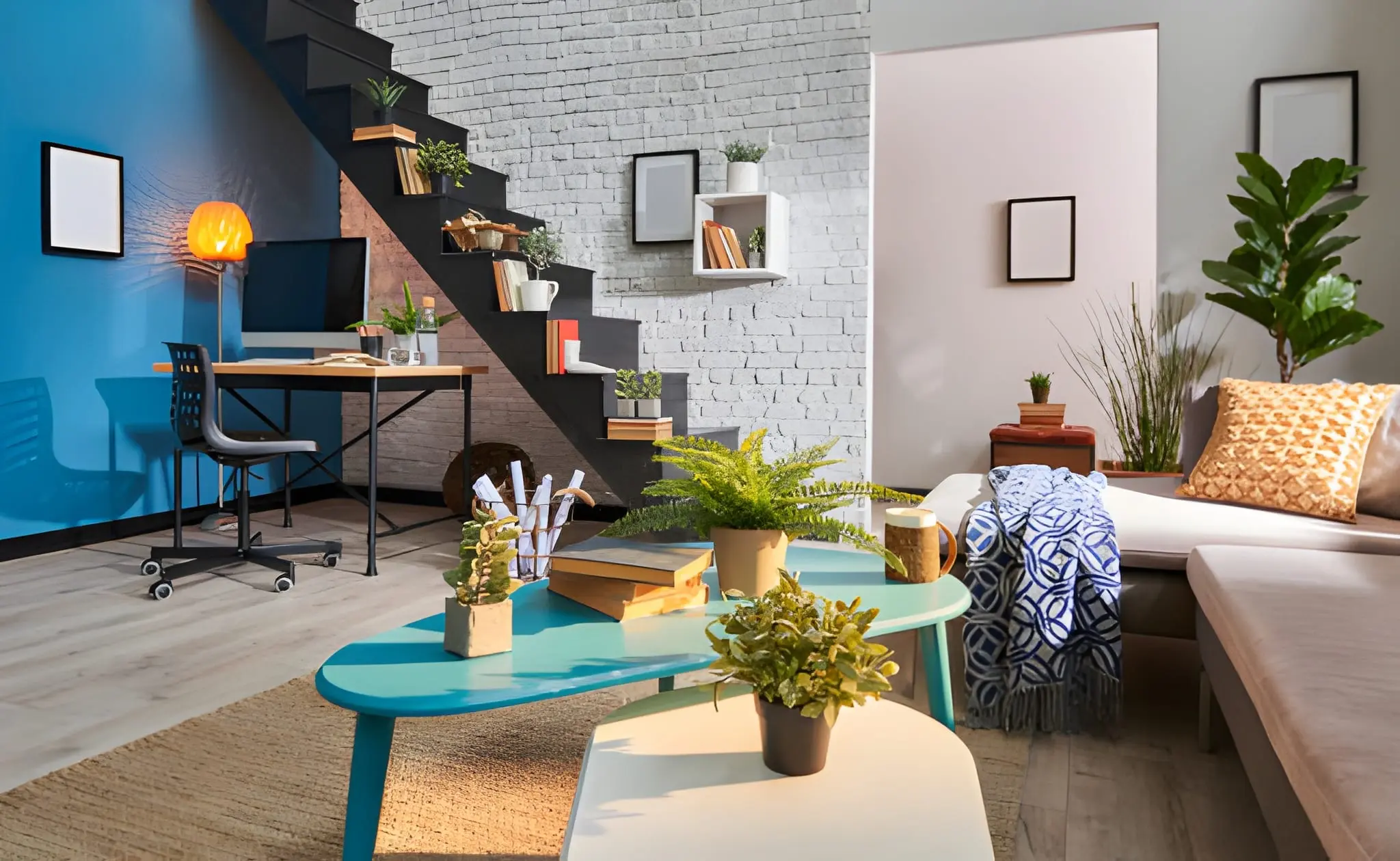
Achieve Serenity with Home Organization: Steps to Create a Harmonious Environment
Table of Contents
- Introduction
- Declutter for Positive Energy
- Embrace Simplicity in Design
- Incorporate Natural Elements
- Mindful Furniture Arrangement
- Utilize Calming Colors and Textures
- Establish Functional Zones
- Maintain Regular Organization Habits
- Conclusion
Introduction
Modern life can feel hectic, but cultivating serenity at home is within reach. Creating a harmonious environment goes far beyond visual appeal—it’s an investment in your emotional health and mental energy. With intention and mindful choices, your living space can become a sanctuary that inspires tranquility and well-being. Whether you’re tackling a busy kitchen or planning playroom organization, small changes can have a profound impact on the atmosphere of your home.
Decluttered and serene spaces reduce anxiety, strengthen focus, and offer a soothing environment for restorative downtime. Simple yet effective strategies can transform daily routines and nurture calm in any household. A harmonious home isn’t reserved for perfectionists—it’s about realigning your environment to support your best self and your loved ones.
Declutter for Positive Energy
Clutter often leads to mental fatigue and can make even simple tasks feel overwhelming. Removing unnecessary belongings and adopting a minimalist mindset helps restore order and renew vitality. Begin with an honest assessment of each area in your home, donating or discarding items that no longer serve you. Over time, these choices free space—both physical and mental—for new opportunities and joyful experiences.
A clean, uncluttered environment is foundational to peace. Psychologists note that decluttering not only improves your mood but can even ease symptoms of depression and anxiety. Thoughtful editing of your belongings supports a lifestyle centered on purpose and intention, rather than distraction and chaos.
Embrace Simplicity in Design
A harmonious atmosphere is best achieved with a streamlined approach to design. Choose functional furniture with clean lines and limit decorative accessories to favorites that enhance, rather than crowd, your space. Minimalism exudes calm and clarity, making your rooms appear larger and lighter.
Aim for balance in how you style different zones of the home—too many items or clashing patterns can overwhelm the senses. Focus on the essentials and let negative space speak for itself. Simplicity isn’t just a trend; it fosters mental clarity and ensures your home is a serene retreat from the world’s busyness.
Incorporate Natural Elements
Nature has a remarkable ability to calm tense minds and energize tired spirits. Bring the outdoors in by adding houseplants, placing fresh flowers in communal spaces, or using materials like wood, stone, rattan, or linen. These organic textures help ground the space and remind us of the restorative power of nature.
Maximizing natural light also works wonders for your mood and the visual appeal of your home. Opt for sheer curtains or place mirrors opposite windows to reflect light deeper into rooms. According to research, natural elements and daylight can significantly reduce stress and promote overall well-being.
Mindful Furniture Arrangement
The energy of a room is shaped by how pieces are placed within it. Mindful furniture arrangement draws from practices like Feng Shui to ensure open pathways, smooth movement, and unobstructed access to frequently used areas. It’s not about adhering to strict rules; it’s about listening to how you feel in the space and moving things around until it feels right.
Arrange seating to foster comfortable conversation and connection. Avoid pushing all furniture against the walls—group pieces to form cozy, inviting zones. When your home encourages easy flow, everyday life becomes more relaxed and enjoyable.
Utilize Calming Colors and Textures
A strategic color palette can instantly set the mood of any room. Light, airy colors such as gentle blues, soft grays, and muted greens are known for their calming effect. These hues reflect natural light, making spaces appear tranquil and uncluttered.
Supplement these palettes with tactile, soothing textures, such as plush throws, woven rugs, and smooth wood finishes. Pairing calming colors with comforting textiles further enhances serenity and invites relaxation, making every room a true escape.
Establish Functional Zones
Divide your home into distinct areas to match your family’s routines—zones for work, play, rest, and connection. Using rugs, open shelving, or different lighting can help visually distinguish each zone, creating purpose for every square foot.
Purposeful zoning improves productivity and brings peace of mind by minimizing distractions and helping everyone in the household stay organized. You’ll notice smoother transitions through daily activities and a better sense of control over your environment.
Maintain Regular Organization Habits
Serenity is not achieved through a single organizing spree but by developing mindful routines. Dedicate a few minutes each day or set a weekly appointment to tidy up, return items to their homes, and let go of what’s no longer needed. For practical tips on staying organized on a daily basis, consider guidance from resources like The Spruce.
Try a “one in, one out” rule or seasonal purges to prevent clutter from accumulating. Make organizing a shared family activity so that everyone develops positive habits and a deeper appreciation for your harmonious living environment.
Conclusion
Harmonious home organization is a rewarding journey that starts with small, mindful changes. Through decluttering, embracing simplicity, incorporating elements of nature, intentional arrangement, calming color choices, purposeful zones, and consistent upkeep, your space becomes more than just a house—it becomes a supportive and nurturing home. Commit to these steps and discover how peace, clarity, and well-being can flourish in your everyday life.
Also Read-
