
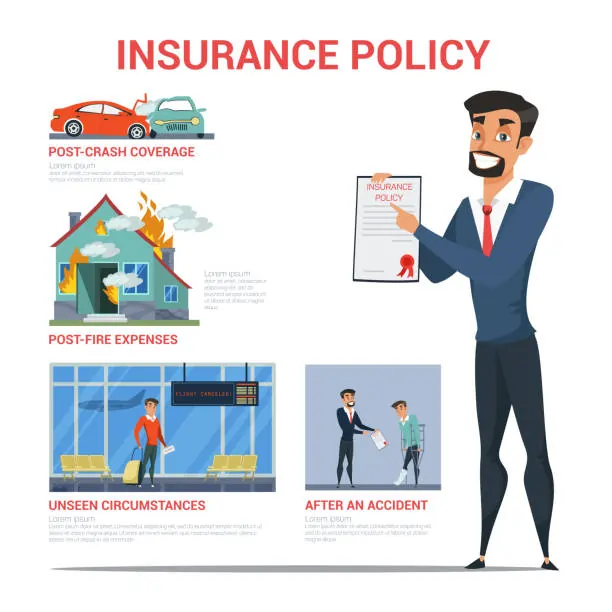
Why Insurance Companies Prefer You Don’t Hire an Adjuster?
Many policyholders assume that insurance companies exist to help them recover fully after a loss, but the claims process often reveals a different reality. Insurance providers are businesses focused on controlling costs and protecting their financial interests. When a homeowner files a claim, the insurer assigns its own adjuster—someone trained to assess damage and determine payout amounts on behalf of the company. While this may seem helpful, it creates a strong imbalance, as the insurance adjuster is not obligated to ensure policyholders receive maximum compensation. This imbalance is the main reason insurance companies prefer that homeowners not hire independent adjusters. When policyholders manage claims independently, they often lack the necessary knowledge, time, and resources to negotiate effectively.
How Adjusters Shift the Balance of Power
Insurance companies rely on the fact that most policyholders are unfamiliar with claim procedures, policy language, and valuation methods. Without guidance, many homeowners accept the insurer’s initial assessment, believing it is accurate and fair. Hiring an independent adjuster changes this dynamic because the adjuster works solely for the policyholder, not the insurance company. Their role is to analyze the damage thoroughly, accurately interpret policy terms, and negotiate a settlement that reflects the true cost of repairs or replacement. This power shift is something insurers try to avoid because it results in higher payouts and more accountability. Many homeowners contact a public adjuster in Illinois when faced with complicated damage or unclear settlement offers, and insurance companies know that doing so significantly improves the policyholder’s claim outcome. By discouraging the involvement of independent adjusters, insurers maintain greater control over the process.
Limiting Claim Payouts Through Controlled Assessments
Insurance companies prefer handling claims without interference because it allows them to more easily limit the payout amount. Their adjusters often inspect damage quickly, sometimes overlooking hidden issues such as moisture intrusion, structural weakening, or long-term safety risks. These quick assessments favor the insurer’s bottom line rather than the homeowner’s long-term recovery. Independent adjusters, on the other hand, conduct detailed inspections, document every affected area, and include future repair needs in the claim. This level of thoroughness prevents insurers from minimizing the loss and increases the accuracy of the claim value. When policyholders do not hire an adjuster, insurance companies benefit from incomplete documentation and underestimated repair costs. Avoiding scrutiny allows insurers to settle claims at lower amounts while appearing to follow proper procedures.
Reducing Negotiation Pressure
Another reason insurance companies discourage policyholders from hiring independent adjusters is that adjusters bring valuable negotiation experience and persistence to the claim process. Homeowners, especially those dealing with emotional stress or unfamiliarity with insurance processes, often accept the first offer because they want to resolve the situation quickly. Insurance companies depend on this tendency, knowing that most people will not challenge an offer or request further evaluation. Independent adjusters, however, negotiate aggressively and present factual evidence that supports a higher settlement. They understand depreciation rules, replacement cost calculations, and repair standards—knowledge that prevents insurers from undervaluing the claim. Without an adjuster involved, the insurer faces significantly less pressure to justify its estimates or provide transparency, giving it an advantage in settling the claim at a lower cost.
Avoiding Accountability for Delays and Errors
Insurance companies also prefer that policyholders handle claims themselves because doing so reduces their own accountability. When a public adjuster is involved, the insurer knows that mistakes, unnecessary delays, or unjustified denials will be challenged. Independent adjusters track the claim’s progress, ensure deadlines are met, and question any inconsistencies. This oversight encourages insurers to follow their own rules more carefully and reduces the likelihood of unfair claim handling. Without external oversight, insurers can delay processing, request excessive documentation, or provide vague explanations without immediate pushback. Policyholders may not even realize when their claim rights are being violated. Public adjusters recognize these tactics and respond appropriately, ensuring policyholders receive fair treatment. Insurance companies prefer to avoid this scrutiny because it requires more effort, more time, and often leads to larger payouts.
Maintaining Profit Margins and Reducing Claims Costs
At the core of the issue is profit. Insurance companies generate revenue by collecting premiums, not by paying claims generously. Every dollar spent in a settlement reduces their profit margin. Encouraging policyholders to navigate claims alone helps insurers maintain financial control by minimizing settlement amounts. When independent adjusters get involved, they often uncover underpaid losses, missed damages, or misinterpreted policy exclusions. Correcting these issues results in significantly higher payouts. Insurance companies are well aware of this pattern, which is why they subtly discourage the use of independent adjusters. They may tell homeowners that hiring one is unnecessary, imply it will slow the claim, or suggest that the insurer’s adjusters will handle everything. These statements create doubt and discourage policyholders from seeking the help that could ensure a proper settlement.
Insurance companies prefer that policyholders avoid hiring independent adjusters because doing so allows insurers to maintain control over the claims process, limit payouts, reduce negotiation pressure, and avoid accountability. Policyholders often lose money, accept incomplete assessments, or miss important claim details when they handle everything themselves. Independent adjusters help level the playing field by providing thorough damage evaluations, accurately interpreting policy terms, and negotiating for fair compensation. Their involvement ensures that policyholders—not insurance companies—receive the financial support needed to recover fully after a loss. Understanding this dynamic empowers homeowners to protect their interests and avoid costly underpayments during the claims process.
Read more: How Nurturing Environments Strengthen Overall Wellbeing – SizeCrafter
Finding the Right Motorcycle Movers in Ohio – SizeCrafter
Exclusive Car Rental Savings for Budget-Smart Travelers – SizeCrafter
