
The Role of Natural Light in Modern Floor Plan Design
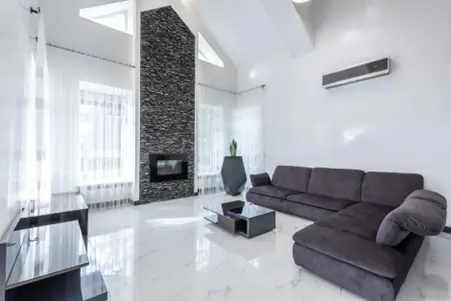
Natural light is one of the most important parts of modern home design. It changes how spaces look, feel, and even how people experience them daily. More architects and homeowners now realize that lighting affects comfort, energy use, and mood.
In this article, you’ll learn how natural light shapes modern floor plans and why it’s key to creating bright, open, and welcoming spaces.
Why Natural Light Matters in Home Design
Natural light is more than a design feature-it’s a vital part of healthy living. Bright rooms look bigger, cleaner, and more inviting. Sunlight also helps lower energy costs since it reduces the need for electric lights during the day.
Homes filled with natural light often feel calm and uplifting. Sunlight can boost mood and productivity, making it easier to focus or relax. That’s why many designers plan floor layouts based on how sunlight moves throughout the day.
Open Layouts and Flow of Light
Open floor plans are one of the biggest trends in modern home design. They let natural light spread easily from one area to another. Fewer walls mean sunlight can reach the living room, kitchen, and dining space at the same time.
Designers often position main areas, such as living and dining rooms, along exterior walls with wide windows or glass doors. This allows light to enter from different angles and gives the home a natural sense of openness.
Strategic Window Placement
Windows are the key to bringing sunlight inside, and their placement can change everything. South-facing windows usually get the most sunlight throughout the day, while east- and west-facing ones capture soft morning and evening light.
Many new homes use large windows, skylights, or clerestory designs to spread light evenly. For example, adding a skylight above a staircase or hallway can make dark corners feel more open.
Using Glass and Reflective Surfaces
Light doesn’t just depend on windows-it also reflects off materials inside the home. Glass walls, mirrors, and glossy finishes can help bounce light around, making rooms brighter without adding more windows.
Sliding glass doors or glass dividers between rooms are popular in modern floor plans. This approach keeps the home open and bright while maintaining a clean, stylish look.
Energy Efficiency and Sustainability
Natural light isn’t just beautiful-it’s efficient. Homes that use daylight well need less artificial lighting and heating. Sunlight can warm rooms during cooler months, which helps lower energy bills.
Designers also balance brightness with comfort. For instance, overhangs or blinds can block harsh afternoon rays while still letting in gentle, indirect light. You can see how energy-efficient designs use light creatively when you visit https://live5025.com/floor-plans/ and explore floor plans that highlight sustainable, light-filled living spaces.
Psychological and Health Benefits
Beyond design, sunlight supports physical and mental health. It helps regulate sleep, improves focus, and reduces stress. Homes with plenty of daylight feel more peaceful and energizing, especially for those who spend long hours indoors.
Modern layouts often place living and working spaces near large windows or balconies. These features let residents enjoy daily sunlight while staying connected to nature. The result is a home that feels balanced, comfortable, and good for overall well-being.
Designing with Light in Mind
Natural light is essential in modern floor plan design. It makes homes brighter, more energy-efficient, and healthier to live in. Through open layouts, window planning, and reflective materials, designers create spaces that feel alive and connected to the outdoors.
If you’re planning a new home or exploring options for your next move, consider how light shapes the space around you.
Found this article useful? Keep browsing the rest of this section for more.
Read more: Transforming Outdoor Spaces With Modern Pool Designs and Features – SizeCrafter
Modern Apartments Built for Comfort, Style & Convenience – SizeCrafter
