
Recognizing Early Signs and Symptoms of Nerve Damage
Key Takeaways
- Early symptoms of nerve damage can be subtle but crucial to identify to prevent serious complications.
- Key early warning signs include numbness, tingling, muscle weakness, and unusual skin changes.
- Timely intervention and preventive lifestyle habits support nerve health and reduce long-term risks.
- Consulting a healthcare professional when symptoms arise is essential for effective management and treatment.
Table of Contents
- Common Early Symptoms of Nerve Damage
- Overlooked Indicators of Nerve Damage
- Potential Causes of Nerve Damage
- Importance of Early Detection
- When to Seek Medical Advice
- Preventive Measures and Management
- Conclusion
Nerve damage, also known as neuropathy, can develop gradually and is often challenging to recognize in its initial phases. Detecting these signs early can significantly improve a person’s prognosis and everyday comfort. The earlier you identify nerve changes, the better your chances are of stopping additional complications. Individuals searching for options and expert guidance can turn to Peripheral Neuropathy Treatment offered by Chronic Care of Richmond. Chronic Care of Richmond specializes in comprehensive evaluation and management for those in Richmond, Virginia, and the surrounding areas. With their in-depth expertise in the field, patients receive state-of-the-art therapies aimed at promoting nerve health, improving quality of life, and preventing long-term disability related to neuropathy.
Understanding subtle symptoms is the foundation for making informed health decisions. Many who experience these early signs delay seeking help, which can lead to irreversible changes and daily discomfort. By staying informed, you can act swiftly and take positive steps for your nervous system.
Common Early Symptoms of Nerve Damage
Nerve damage commonly begins with mild symptoms that can easily be attributed to daily fatigue or minor injuries. Recognizing these signals is the first critical step to timely intervention.
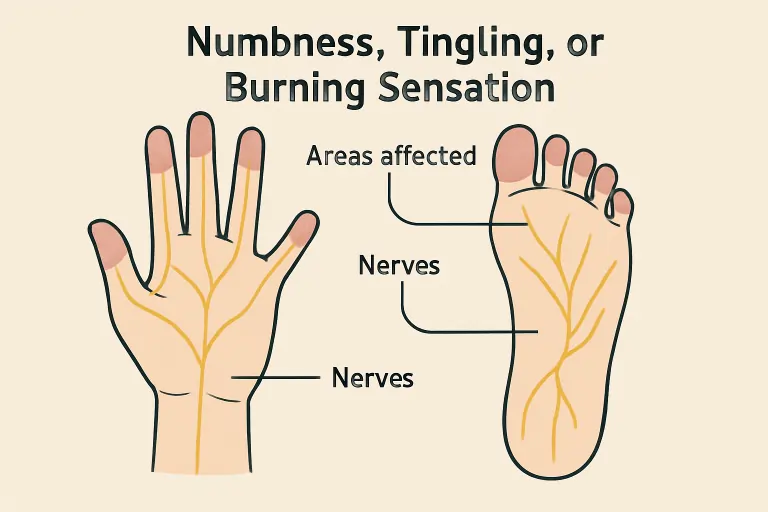
- Numbness and Tingling: A continuous “pins and needles” sensation, especially in your extremities, can indicate the early stages of nerve dysfunction. This symptom may be intermittent but tends to become persistent if left unchecked.
- Burning Sensations: Experiencing unexplained burning or discomfort in your hands or feet is a classic sign of nerve irritation early on. This symptom might interrupt sleep and hinder concentration during the day.
- Muscle Weakness: Losing grip strength, struggling to open jars, or finding everyday movements more difficult can result from underlying nerve impairment that disrupts communication between your muscles and brain.
- Heightened Sensitivity to Temperature: Experiencing temperatures that are excessively hot or cold, or failing to notice them at all, can signal that nerves are losing their ability to transmit accurate sensory information.
- Coordination Problems: Unexplained clumsiness, difficulty maintaining balance, or challenges with fine-motor tasks like buttoning clothing may emerge as nerve signals become unreliable.
Overlooked Indicators of Nerve Damage
Some symptoms of neuropathy may be less obvious or less commonly discussed, yet they can be just as telling.
- Skin Changes: Skin thinning, discoloration, or hair loss patches can sometimes be explained by nerve involvement that disrupts normal blood flow and tissue health.
- Sleep Disruptions: If you notice crawling, itching, or restless sensations in your legs at night, it could be a manifestation of nerve signals firing abnormally.
- Unexplained Swelling: Swelling in hands and feet with no identifiable cause may be tied to nerve impairment, especially when accompanied by other classic symptoms.
Potential Causes of Nerve Damage
Multiple factors contribute to nerve damage, and identifying the root cause can help tailor prevention and management strategies.
- Diabetes: Chronic high blood sugar is a leading driver of neuropathy, gradually damaging nerves across the body.
- Vitamin Deficiencies: Not getting enough of specific vitamins, especially B vitamins, can negatively impact nerve health.
- Alcohol Use: Consuming alcohol excessively can result in both direct toxicity to nerves and nutritional deficiencies.
- Autoimmune Diseases: Conditions such as lupus or rheumatoid arthritis often involve neuropathic elements, in which the immune system mistakenly attacks nerve tissue.
- Certain Medications: Some drugs used in chemotherapy and other treatments can cause harmful effects on nerves as side effects.
In addition to these causes, chronic kidney disease, infections, and genetic predispositions can also play a role. For a detailed overview of risk factors and related conditions, reputable sources such as Mayo Clinic’s Peripheral Neuropathy resource can provide further guidance.
Importance of Early Detection
Taking action when symptoms first arise can lower the risk of permanent nerve loss or debilitating complications. Studies suggest that more than 60 percent of people with early nerve symptoms do not seek prompt evaluation. This delay can lead to progressive nerve deterioration, a greater risk of injuries, and even chronic pain. Early evaluation helps pinpoint the cause and opens up options for recovery, prevention of infection, or avoiding severe outcomes such as loss of mobility or amputation.
When to Seek Medical Advice
If you notice recurring or worsening sensations such as numbness, tingling, burning, unexplained weakness, or coordination problems, schedule an evaluation with a healthcare professional without delay. Discussing concerns early enables your care provider to run essential tests, identify underlying causes, and create a personalized care plan to optimize nerve function. Delaying this step not only prolongs discomfort but can close the window of opportunity for reversal or halting progression.
Preventive Measures and Management
Preventing nerve damage and managing its early signs are both achievable with thoughtful daily habits and health maintenance. Proven approaches include:
- Blood Sugar Control: Those with diabetes should work closely with their healthcare provider to maintain stable blood glucose levels, which can protect nerves from chronic injury.
- Balanced Diet: Eating a nutrient-rich, balanced diet rich in essential vitamins and minerals provides foundational support for nerve health. Pay particular attention to B vitamin intake.
- Regular Exercise: Physical activity, even in short daily sessions, enhances circulation, improves nerve function, and reduces inflammation.
- Limiting Alcohol Intake: Restrict or avoid alcohol consumption to support nerve resilience and overall neurological health.
- Routine Check-ups: Regular medical assessments and nerve health screenings catch early signs before they progress. Consistent check-ups allow you to address subtle symptoms promptly.
For additional lifestyle strategies and expert advice, visit WebMD’s Nerve Pain and Damage resource for practical insights that can aid daily management and prevention.
Conclusion
Being aware and proactive about the earliest symptoms of nerve damage may significantly improve short-term well-being and long-term health outcomes. If you or a loved one notices any of the signs or symptoms discussed, timely consultation with a qualified professional can lead to earlier recovery and prevent a severe impact on mobility or quality of life.
Read more: Treatment Options for Depression: Beyond Medication – SizeCrafter
5 Common Causes of Neck Pain and How Chiropractic Can Help – SizeCrafter
What Are the Best Educational Supports for Autistic Students Today? – SizeCrafter
