
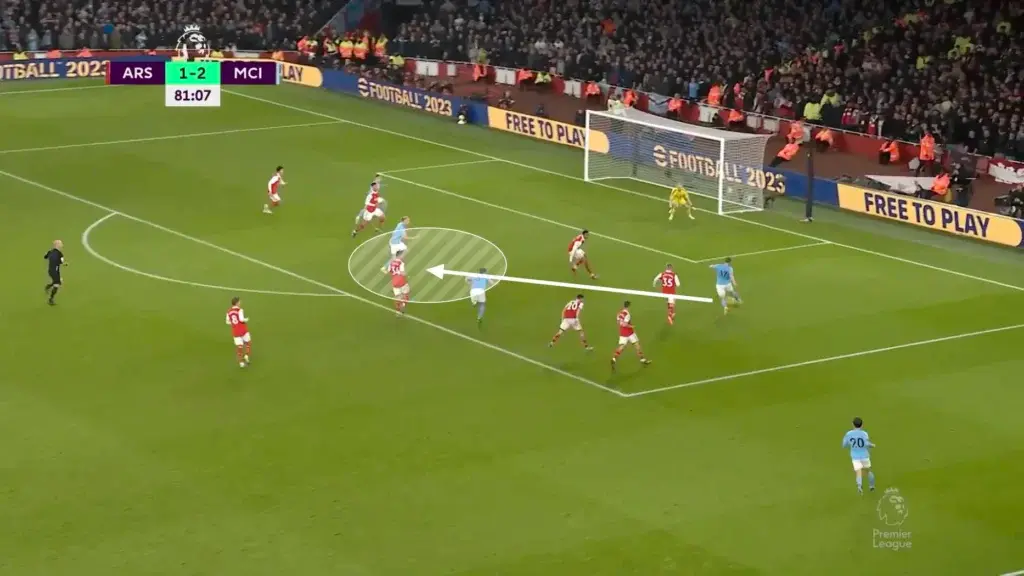
Premier League Betting Techniques Based on Heatmap Data
Betting on the Premier League is often framed around goals, form tables, or headline statistics, yet many decisive patterns emerge earlier and deeper on the pitch. Heatmap data offers a spatial record of where actions actually occur, revealing tendencies that raw numbers hide. When used correctly, heatmaps shift betting analysis away from surface outcomes toward structural behavior, allowing decisions to be grounded in how teams occupy space rather than how often they score.
Why Heatmap Data Changes the Logic of Match Evaluation
Heatmaps transform abstract match flow into visible territory control. Instead of treating possession or shots as isolated events, spatial concentration highlights which zones are repeatedly stressed. This matters because betting outcomes are shaped long before goals arrive. A team dominating half-spaces consistently applies pressure that later converts into fouls, corners, or defensive errors. Heatmap data exposes these patterns early, enabling pre-match assumptions to be tested against structural reality rather than reputation.
Interpreting Attacking Heatmaps Beyond Shot Locations
Many bettors misread attacking heatmaps by focusing only on penalty-box activity. The more informative signal lies in buildup zones. When wide midfield areas glow consistently, it suggests crossing volume and second-ball chaos rather than clean chances. Central density near zone 14 often indicates controlled progression that leads to higher-quality shots later. Understanding this distinction helps differentiate matches likely to produce sustained pressure from those relying on sporadic counterattacks.
Defensive Heatmaps as Indicators of Structural Weakness
Defensive heatmaps reveal where teams prefer to concede space. Deep central blocks suggest protection of the box but invite long-range attempts and rebounds. Conversely, high-density wide defensive zones often indicate vulnerability to cutbacks. These spatial habits persist across matches even when results fluctuate. Recognizing recurring defensive gaps allows bettors to anticipate concession types, not just concession probability.
Using Heatmaps to Anticipate Match Tempo Shifts
Match tempo rarely stays constant. Heatmaps across time segments show whether territorial control is front-loaded or gradually accumulated. Early dominance fading into scattered coverage often signals conditioning issues or tactical adjustments. For in-play bettors, recognizing when a team’s spatial footprint shrinks is more predictive than waiting for possession percentages to drop.
Conditional Scenarios in Live Matches
When a favorite’s heatmap tightens around its own half after scoring, the probability of corners and fouls conceded increases. If the underdog’s heatmap expands into wide attacking lanes without central penetration, goal probability may remain low despite apparent pressure. These conditional readings help recalibrate expectations during live betting rather than reacting emotionally to momentum.
Translating Heatmap Patterns into Betting Market Choices
Heatmaps do not point directly to odds; they point to market suitability. A match dominated by wide-area heat without central access often aligns better with corner or card markets than goal totals. Conversely, central overloads correlate with shot quality markets and first-half goal timing. Selecting markets based on spatial evidence reduces reliance on volatile finishing outcomes.
Before placing any stake, bettors often compare how these spatial signals align with available lines across a football betting website or betting interface. In situations where territorial pressure is clear but prices remain static, discrepancies emerge. Observing this mismatch while navigating a platform such as ufabet168 ufabet within a broader betting environment can highlight moments where spatial dominance has not yet been priced in, offering analytical rather than emotional justification for engagement.
Common Misinterpretations That Weaken Heatmap-Based Decisions
Heatmaps show frequency, not efficiency. A bright zone does not guarantee effectiveness if actions there lack progression. Another common error is ignoring opponent context; a compact heatmap against a low block means something different than the same shape against a high press. Treating heatmaps as standalone truth rather than relational data leads to overconfidence and poor risk assessment.
Integrating Heatmap Data with Other Match Variables
Heatmaps gain strength when combined with timing, personnel, and tactical intent. A new full-back changes wide-zone occupation immediately. Fixture congestion alters late-match spatial coverage. By layering heatmaps with lineup news and schedule context, bettors move from static interpretation to dynamic modeling, reducing surprises caused by unseen structural shifts.
Summary
Heatmap-based betting techniques in the Premier League rely on understanding how teams use space, not just how matches end. Spatial dominance, zone preference, and temporal shifts provide early indicators of pressure, vulnerability, and market relevance. When interpreted with context and combined with other variables, heatmaps support betting decisions that are logically grounded, structurally aware, and less dependent on unpredictable moments.
