
How Court-Mandated Ignition Interlocks Are Changing Road Safety
Key Takeaways:
- Ignition interlock devices (IIDs) significantly reduce repeat offenses among DUI offenders.
- States implementing comprehensive IID laws have seen notable decreases in alcohol-related crashes.
- Recent legislative changes aim to close loopholes and enhance the effectiveness of IID programs.
Understanding Ignition Interlock Devices
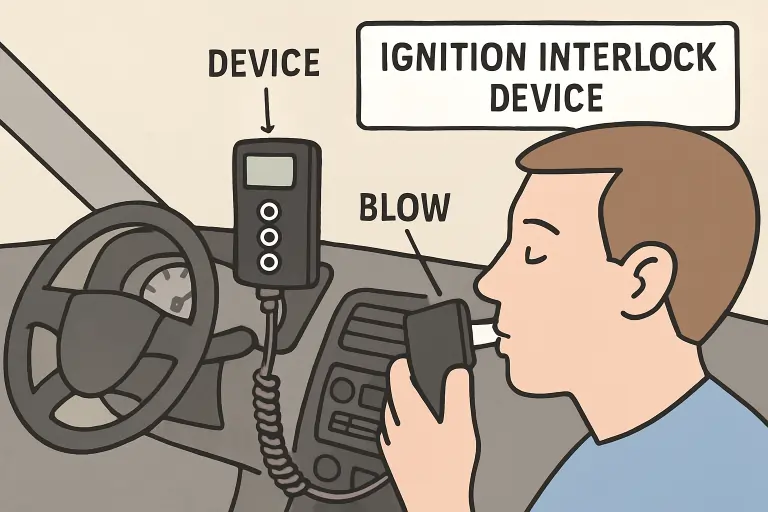
Amber alerts and sobriety checkpoints have played a vital role in keeping roads safe. Still, one of the most transformative advancements in the fight against impaired driving has been the Ignition Interlock Device (IID). These innovative, breathalyzer-style devices are installed directly in a driver’s vehicle and require a breath sample before the engine can be started. If the device detects a blood alcohol concentration (BAC) above a pre-set threshold, the vehicle will not start. This immediate safeguard provides a practical way to prevent intoxicated drivers from getting behind the wheel.
IIDs serve a dual purpose: they deter those considering driving under the influence and allow similar offenders to regain their driving privileges under strict monitoring. In recent years, the combination of public safety concerns and legislative momentum has propelled IIDs to the forefront of impaired driving prevention efforts, particularly as mounting evidence supports their effectiveness nationwide.
The Impact of IIDs on DUI Recidivism
Multiple studies have established a clear link between IID use and a substantial reduction in DUI recidivism. According to the Centers for Disease Control and Prevention (CDC), installing these devices in the vehicles of DUI offenders reduces repeat offenses by approximately 70% while the devices remain in use. This statistic highlights the meaningful changes that IIDs can bring about, especially among drivers who have shown a propensity for impaired driving in the past.
States that have taken earnest steps to mandate IIDs for all offenders, regardless of conviction level, consistently report lower rates of alcohol-related crashes. This underscores not only the direct effectiveness of IIDs but also the broader cultural shift that results from a firm stance on drunk driving.
These findings are supported by research published by the Governors Highway Safety Association (GHSA), which validates the use of compliance-based removal protocols that ensure offenders can only have their devices removed after demonstrating sustained sobriety.
State-Level Implementation and Results
The evolution of IID laws has significantly broadened their impact in recent years. States like Arizona, New Mexico, and West Virginia have served as leading examples, adopting strategies that require IIDs for all DUI offenders, not simply repeat violators or those with high BACs. The results speak volumes: data reveal significant reductions in repeat DUI rates and alcohol-related traffic fatalities in these states.
This evidence has inspired other jurisdictions to update their own IID statutes. For instance, Maryland recently expanded Noah’s Law, requiring IID installation for all drivers convicted of impaired driving, even if they are granted probation before judgment. The impact of such comprehensive laws is already evident: offenders face fewer opportunities to avoid accountability, and the general public receives greater protection.
Recent Legislative Developments
Many legislative efforts are now focused on addressing loopholes that allowed some DUI offenders to bypass or minimize their engagement with IID programs. New laws are increasingly making it difficult to avoid installation and extending the required use period for non-compliance. In states like Wisconsin, legislators are reviewing proposals to strengthen ignition interlock device requirements. Assembly Bill 258 has moved through committee and seeks to expand eligibility for licenses while removing mandatory waiting periods for restricted licenses once an IID is installed. A related measure, Senate Bill 248, would allow OWI offenders to apply for restricted driving privileges immediately upon installation, rather than waiting 30–45 days under current law. The bill also proposes expanded IID mandates and introduces stricter penalties for device tampering or failed compliance tests.
Challenges and Considerations
While the benefits of IIDs are clear, successful implementation remains fraught with challenges. Compliance rates can falter, especially if oversight is insufficient or offenders find ways to circumvent device protocols. In response, several jurisdictions have launched robust public information campaigns and implemented enhanced technological and legal enforcement measures to ensure program efficacy. Monroe County, New York, for instance, is intensifying monitoring efforts and cracking down hard on those attempting to sidestep legal mandates.
Vehicle access and affordability of device installation also remain key considerations. Some advocates call for financial assistance programs to ensure that costs do not become a barrier to participation, especially for low-income offenders.
The Role of Technology in Enhancing IID Effectiveness
The latest generation of ignition interlocks features real-time reporting, GPS tracking, and even smartphone integration. Law enforcement and monitoring agencies can now respond immediately to suspicious activity, such as tampering or a failed breath test. These innovations reinforce the law’s underlying intent, creating a nearly tamper-proof barrier that protects both the user and the broader community.
Technology continues to push the boundaries of road safety, with ongoing upgrades expected to streamline monitoring and improve data accuracy. This supports more effective intervention and ultimately delivers a higher degree of public safety for everyone on the road.
Public Perception and Acceptance
Gaining widespread public support for IID initiatives is critical for long-term success. Educational campaigns that highlight the real impact of IIDs, including the prevention of over 3 million drunk driving attempts since 2006, are instrumental in reducing resistance and overcoming stigma. Understanding how IIDs protect not only individual drivers but also families and communities is key to sustaining both legislative momentum and individual buy-in.
The National Highway Traffic Safety Administration provides further data and success stories, highlighting ongoing reductions in alcohol-involved traffic fatalities and the life-saving results of evidence-based IID mandates.
Conclusion
Court-mandated ignition interlock devices have become an essential component in the ongoing fight to reduce DUI recidivism and alcohol-related crashes. The combination of legislative refinement, technological innovation, and community education is making America’s roads safer. As more states and localities double down on these lifesaving strategies, the steady decline in impaired driving deaths is set to continue for years to come.
Read more: How to Safely Force Quit Unresponsive Programs in Windows – SizeCrafter
How New Technologies Are Shaping the Fight Against Securities Fraud – SizeCrafter
Tax-Advantaged Real Estate Investments: Strategies for Building Wealth – SizeCrafter
