
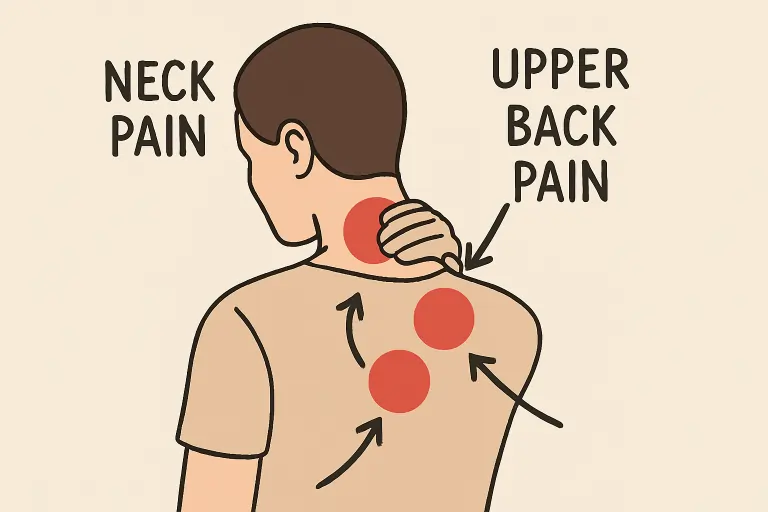
5 Common Causes of Neck Pain and How Chiropractic Can Help
Key Takeaways
- Neck pain is a common condition that can result from poor posture, muscle strain, herniated discs, arthritis, or whiplash.
- Modern lifestyles, such as prolonged device use and sedentary work, increase the risk of cervical spine dysfunction.
- Chiropractic care offers a non-invasive, drug-free approach to relieve pain, restore mobility, and address underlying causes.
- Skilled chiropractors combine spinal adjustments, soft tissue therapies, rehabilitative exercises, and ergonomic guidance for long-term neck health.
- Early intervention and consistent care, combined with posture and lifestyle management, are crucial for preventing chronic neck issues and promoting overall well-being.
Introduction
Neck pain is a widespread condition that can disrupt daily life, interfere with restorative sleep, and negatively impact overall well-being. Whether it manifests as a dull ache, persistent stiffness, or sharp, stabbing sensations, almost everyone will experience some form of neck discomfort during their lifetime. From teenagers glued to their smartphones for hours on end to adults working remotely at makeshift desks, modern lifestyles make us all susceptible to tension and dysfunction in the cervical spine. Sometimes, this discomfort is fleeting, but when the underlying causes aren’t addressed, neck pain can become chronic and debilitating. The key to long-term relief lies in understanding these root causes and seeking treatments that address the underlying issues, rather than just masking the symptoms. Over the years, chiropractic care has emerged as a trusted solution for many individuals. By focusing on spinal alignment and holistic health, chiropractors work to resolve not only the pain but the problems that cause it. In fact, holistic treatment approaches, including prenatal care, are gaining attention for their ability to prevent complications before they escalate into chronic conditions, improving quality of life across all stages.
Whether your pain is related to poor posture, an injury, or the natural effects of aging, understanding the underlying causes of neck pain can empower you to make healthier choices and seek the most effective solutions. This article examines the five most common causes of neck pain, delving into the science behind the symptoms and highlighting how chiropractic care delivers lasting benefits for spine and muscle health.
Poor Posture
Adopting a hunched or forward head position has become a near-universal habit with the rise of handheld digital devices and computer workstations. This phenomenon, often referred to as “text neck,” occurs when the head and neck are repeatedly bent forward, resulting in excessive strain on the cervical spine and surrounding muscles. Over time, this unnatural positioning compresses vertebrae, tightens soft tissues, and even impairs blood flow to the area. Simple activities like cradling a phone between your ear and shoulder, working at a desk without ergonomic support, or reading in bed without proper neck alignment can trigger discomfort or persistent pain. Poor posture also reduces lung capacity, increases the risk of headaches, and can accelerate age-related wear and tear on the spinal joints. Correcting posture with targeted ergonomic adjustments, supportive office equipment, and frequent mindful breaks is a crucial step in both preventing neck pain and managing existing symptoms. Training yourself to recognize and correct poor posture will yield long-term benefits for your spinal health.
Muscle Strain
Neck muscle strains are common and often result from repetitive movements, awkward sleeping positions, or sudden, unexpected twists and turns. These injuries can occur gradually or be triggered by a specific incident, such as sleeping with poor pillow support, carrying a bag on just one shoulder, or turning the head abruptly. Emotional stress and anxiety can also contribute, as people often unconsciously tense their jaw, neck, and shoulders in response to pressure or worry, exacerbating muscle tightness and tenderness. Overexertion during exercise or physical activity, heavy lifting, and even poor posture while driving can strain the neck musculature, leading to soreness or inflammation. Relief often starts with simple self-care measures, such as alternating heat and cold packs to reduce inflammation, gentle stretching routines, and professional massage therapy to relax tense muscles. However, if the pain becomes severe, persists for more than a few days, or is accompanied by numbness, tingling, or weakness, further evaluation is necessary to rule out underlying structural damage or nerve involvement.
Herniated Discs
A herniated disc occurs when the soft, cushion-like discs that separate the vertebrae in the neck start to bulge or rupture, pushing against nearby nerves. When a disc herniates in the cervical spine, it can compress or irritate the spinal nerves, resulting in sharp or radiating pain, numbness, tingling, or weakness that may extend from the neck down into the shoulders, arms, or even hands. This condition is particularly common in adults with physically demanding jobs, athletes who experience repeated impact or strain, or individuals experiencing age-related degeneration of the spine. Movements such as bending, lifting, or even sneezing and coughing may worsen the pain, making everyday tasks challenging. Prompt, professional assessment is essential to differentiate a herniated disc from other musculoskeletal issues and to determine whether conservative care or more advanced interventions—such as physical therapy or, rarely, surgery—are indicated. Conservative care, such as chiropractic adjustments, targeted exercises, and manual therapies, can often reduce symptoms and promote healing without the need for medications or invasive procedures.
Arthritis
Degenerative joint diseases such as osteoarthritis gradually wear down the cartilage and protective discs between the cervical vertebrae, leading to limited neck mobility, joint stiffness, chronic pain, and occasional bouts of inflammation. As people age, the risk of experiencing arthritis-related neck pain increases due to decreased cartilage, loss of joint flexibility, and years of accumulated stress on the spine and surrounding structures. In some cases, bone spurs may develop, exacerbating discomfort or causing nerve impingement. Maintaining an active lifestyle is vital for controlling arthritis symptoms and preserving joint function. Regular, gentle exercise keeps the neck mobile, strengthens supportive muscles, and helps manage weight—a crucial factor in reducing stress on the spine. Physical therapy, chiropractic adjustments, and specialized exercise routines can restore range of motion and alleviate pain. While medications may offer short-term pain relief, long-term management strategies focus on strengthening, stabilization, and maintaining the highest possible level of function.
Whiplash
Whiplash is a specific type of neck injury caused by sudden acceleration or deceleration that creates a rapid back-and-forth movement of the head. Most commonly associated with car accidents, whiplash can also occur during high-contact sports or any event where the neck is suddenly and violently jolted. This motion stretches the ligaments, tendons, and muscles in the neck beyond their normal range, leading to inflammation, stiffness, pain, and occasionally headaches or dizziness. Symptoms may not appear immediately, and can develop over hours or days following the initial trauma. Without prompt treatment and rehabilitation, whiplash symptoms can linger for weeks or even months, potentially leading to chronic pain, reduced mobility, and diminished quality of life. Early intervention and a multidisciplinary approach, including chiropractic care, rehabilitative exercises, and gentle manual therapy, dramatically improve outcomes and reduce recovery time. Ignoring symptoms or delaying treatment may lead to complications or persistent pain syndromes.
How Chiropractic Care Can Help
Chiropractic care offers a non-invasive, drug-free approach for both the relief and prevention of neck pain. Skilled chiropractors use precise, controlled manual adjustments to realign vertebrae, reducing pressure on nerves and restoring normal movement patterns. These adjustments, combined with complementary techniques such as spinal manipulations, soft tissue therapies, and specific rehabilitative exercises, can provide substantial relief for a wide range of neck conditions, from muscle strain to chronic joint degeneration. Chiropractic care not only targets immediate sources of pain but also addresses muscle imbalances and movement dysfunction, promoting healing, improved flexibility, and long-term spinal health. Additionally, chiropractors often provide detailed education on posture, ergonomic set-ups, and home care strategies, empowering patients to minimize risk factors for recurring neck pain. By approaching each patient as an individual, chiropractors tailor care plans that may also incorporate holistic healing modalities, such as acupuncture, massage, or nutritional counseling, and frequently collaborate with primary care providers and other healthcare professionals as needed. For those interested in a comprehensive approach to wellness, chiropractic care serves as a valuable foundation for integrated, whole-body health.
If neck pain is interfering with your daily life, seeking care from a licensed chiropractor can be a transformative first step. Experienced practitioners will assess your unique physical situation, consider your symptoms, history, and lifestyle, and partner with you to create a personalized plan for recovery and prevention.
Final Thoughts
Neck pain can stem from a variety of causes, ranging from poor posture and muscle strain to more complex conditions, such as herniated discs and arthritis. Understanding the underlying issues and proactively addressing them yields the best results for long-term comfort and cervical spine health. Implementing good posture habits, managing activity levels to prevent overuse injuries, and incorporating chiropractic care into your wellness routine can help you regain comfort, increase mobility, and protect your neck for the future. If you experience persistent, worsening, or unexplained symptoms, consult a qualified chiropractor to discuss your needs and explore how targeted spinal care—including adjustments, education, and support—can help you return to your best self.
Read more: What Are the Best Educational Supports for Autistic Students Today? – SizeCrafter
How Court-Mandated Ignition Interlocks Are Changing Road Safety – SizeCrafter
How to Safely Force Quit Unresponsive Programs in Windows – SizeCrafter
