
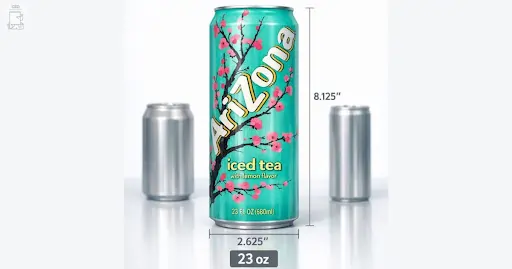
Different Can Size Dimensions Chart List
Ever grabbed the wrong can size at the store and ended up with way too much or too little? Different can size dimensions saves money, reduces food waste, and simplifies meal planning.
Whether you’re storing beverages or cooking with canned goods, knowing exact measurements matters.
Different Can Size Dimensions Chart
| Can Type | Height | Diameter | Volume | Common Uses |
| Mini (7.5 oz) | 4.2″ (10.67 cm) | 2.13″ (5.41 cm) | 7.5 oz / 222 ml | Energy drinks, portion control |
| Standard (12 oz) | 4.83″ (12.27 cm) | 2.6″ (6.6 cm) | 12 oz / 355 ml | Soda, beer, seltzer |
| Slim (12 oz) | 6.125″ (15.56 cm) | 2.25″ (5.72 cm) | 12 oz / 355 ml | Premium drinks, fitness beverages |
| Tallboy (16 oz) | 6.2″ (15.75 cm) | 2.7″ (6.86 cm) | 16 oz / 473 ml | Beer, energy drinks |
| Large (24 oz) | 7.41″ (18.82 cm) | 2.6″ (6.6 cm) | 24 oz / 710 ml | Single-serve value size |
| #1 Picnic | 4″ (10.16 cm) | 2.5″ (6.35 cm) | 10.5 oz / 311 ml | Condensed soup, small vegetables |
| #2 Can | 4.5″ (11.43 cm) | 3.5″ (8.89 cm) | 20 oz / 591 ml | Vegetables, cranberry sauce |
| #2.5 Can | 4.5″ (11.43 cm) | 4″ (10.16 cm) | 28 oz / 828 ml | Tomatoes, peaches, pumpkin |
| #3 Cylinder | 5.5″ (13.97 cm) | 4″ (10.16 cm) | 51 oz / 1.51 L | Family-size vegetables |
| #5 Can | 5.75″ (14.61 cm) | 5″ (12.7 cm) | 56 oz / 1.66 L | Institutional vegetables, juice |
| #10 Can | 7″ (17.78 cm) | 6.25″ (15.88 cm) | 109 oz / 3.22 L | Restaurant supply, bulk storage |
Beverage Can Size Dimensions (Soda, Beer & Energy Drinks)
Standard 12 oz Beverage Can Dimensions
The 12 oz can measures 4.83 inches tall with a diameter of 2.6 inches at its widest point. This size represents 68% of all beverage can sales in America according to packaging industry data. Every major brand from Coca-Cola to Budweiser uses these exact dimensions.
Slim Can Dimensions for Modern Beverages
Slim cans stand 6.125 inches tall but narrow down to just 2.25 inches in diameter. Despite the different shape, they hold the same 12 oz as standard cans. Brands like Red Bull, Celsius, and premium sodas prefer this sleek profile.
Mini Can Dimensions for Portion Control
Mini cans measure 4.2 inches tall with a 2.13-inch diameter, holding 7.5 to 8 ounces. These smaller formats gained popularity as consumers became more health-conscious. The reduced volume means fewer calories and less sugar per serving.
Tallboy and Large Format Dimensions
The 16 oz tallboy stands 6.2 inches tall with a 2.7-inch diameter, offering 33% more beverage than standard cans. This size dominates single-serve sales at convenience stores. The value per ounce typically beats smaller formats by 15-20%.
Large 24 oz cans tower at 7.41 inches while maintaining the same 2.6-inch diameter as standard cans. These hold exactly twice the volume of 12 oz cans. They’re ideal for extended activities where refills aren’t convenient.
Food Can Size Dimensions (Vegetables, Soups & Fruits)
Numbered Food Can Sizes
Food cans use numbered sizing instead of fluid ounces like beverage cans. This system dates back to the early 1900s when can manufacturing became standardized. The numbers don’t directly indicate volume, which confuses many shoppers.
Each numbered can size serves specific cooking and storage needs. Restaurants use different sizes than home cooks. Understanding these measurements helps with recipe conversions and bulk buying decisions.
#1 Picnic Can Dimensions
The #1 can measures 4 inches tall and 2.5 inches in diameter. It holds 10.5 ounces or about 1¼ cups of food. This size works for condensed soups and small vegetable servings.
Picnic cans serve 1-2 people comfortably. They’re less common in grocery stores now but still used for specialty items. The compact dimensions make them perfect for camping and emergency kits.
#2 Can Dimensions (Most Common)
#2 cans stand 4.5 inches tall with a 3.5-inch diameter, holding 20 ounces. This represents the most common food can size in American grocery stores. Standard vegetables, cranberry sauce, and pie filling come in this format.
The 2½ cup capacity serves 3-4 people as a side dish. A #2 can weighs approximately 1.5 pounds when filled. Most pantry shelves are designed to accommodate this height perfectly.
#2.5 Can Dimensions
#2.5 cans measure 4.5 inches tall but widen to 4 inches in diameter. They hold 28 ounces or 3½ cups of food. Tomatoes, peaches, and pumpkin puree commonly use this size.
This larger diameter provides stability for heavier contents. The dimensions work well for chunky foods like fruit halves. One can typically serves 4-5 people depending on the recipe.
#3 Cylinder Can Dimensions
The #3 can reaches 5.5 inches in height with a 4-inch diameter, holding 51 ounces. This family-size format contains 6⅜ cups of food. It’s designed for larger households or institutional use.
#3 cans serve 7-8 people for most recipes. They’re commonly found in bulk grocery stores and restaurant supply outlets. The increased height requires deeper pantry shelves.
#10 Can Dimensions (Bulk Size)
#10 cans tower at 7 inches tall with a massive 6.25-inch diameter. They hold 109 ounces or ¾ of a gallon. This institutional size serves restaurants, cafeterias, and emergency preparedness storage.
One #10 can serves 25-30 people, making it impractical for most households. However, preppers and large families buy them for long-term storage. The dimensions require significant pantry space.
Specialty Can Dimensions & International Variations
International Beverage Can Sizes
European 330ml cans measure 4.75 inches tall with the standard 2.6-inch diameter. This holds 11.2 fluid ounces, slightly less than American cans. Import stores carry these dimensions for specialty drinks.
Australian 375ml cans stand 5.11 inches high, containing 12.7 fluid ounces. This exceeds US standard cans by half an ounce. The measurements reflect metric system preferences in international markets.
Asian/European 250ml cans measure just 3.94 inches tall with a 2.13-inch diameter. These compact formats hold 8.5 fluid ounces. Vending machines in Asia predominantly use this ultra-portable size.
Specialty Food Can Shapes
Tuna cans measure 1.25 inches tall but 3 inches wide, creating a flat profile. This shallow cylinder optimizes meat packing. Standard tuna cans hold 5 ounces of fish.
Spam and luncheon meat use rectangular cans approximately 3.5 inches tall and 3.75 inches wide. The unique shape matches the meat loaf format. These aren’t cylindrical like most cans.
Sardine tins vary widely but typically measure less than 1 inch tall. The shallow rectangular shape preserves the fish arrangement. Dimensions depend on sardine count per tin.
Storage Planning for Different Dimensions
Standard refrigerator shelves sit 10-12 inches deep, perfectly fitting #2 food cans width-wise. Beverage cans require at least 5 inches of vertical clearance. Door shelves accommodate tallboy and large format cans up to 7.5 inches.
Pantry organization works best when you group similar can sizes together. #2 and #2.5 cans stack efficiently without risers. Larger #10 cans need dedicated lower shelves due to weight.
Cooler packing efficiency improves when you understand exact can dimensions. Standard 12 oz cans allow tight 4×6 arrangements in 48-quart coolers. Slim cans fit more units in the same footprint.
FAQ’s
What are the different sizes of cans?
Beverage cans range from 7.5 oz mini cans (4.2 inches tall) to 24 oz large formats (7.41 inches tall). Common sizes include 12 oz standard (4.83″), 12 oz slim (6.125″), and 16 oz tallboy (6.2″). Food cans use numbered sizing: #1 holds 10.5 oz, #2 contains 20 oz, #2.5 has 28 oz, #3 carries 51 oz, and #10 holds 109 oz. Each size serves different purposes from single servings to bulk institutional use.
What are the dimensions of a can?
Standard 12 oz beverage cans measure 4.83 inches tall by 2.6 inches in diameter (12.27 cm × 6.6 cm). Food cans vary significantly: #2 cans measure 4.5″ × 3.5″, while massive #10 cans reach 7″ × 6.25″. Slim beverage cans stand taller at 6.125 inches but narrow to 2.25 inches in diameter. Dimensions depend entirely on intended use—beverages prioritize portability while food cans optimize shelf stability and serving portions.
What are the dimensions of a can of beans?
Standard bean cans (#2 size) measure 4.5 inches tall by 3.5 inches in diameter, holding 15-16 oz of beans (approximately 1.5 cups drained). Family-size bean cans (#2.5) measure 4.5″ × 4″ and contain 28 oz. Restaurant bulk bean cans (#10) tower at 7″ × 6.25″ with 109 oz capacity. The #2 size dominates grocery stores for brands like Bush’s, Campbell’s, and store brands. This format serves 3-4 people comfortably.
Conclusion
Different can size dimensions follow standardized measurements that simplify storage, cooking, and purchasing decisions. Beverage cans range from 4.2-inch mini formats to 7.41-inch giants, while food cans use numbered sizing from #1 to #10. The 12 oz standard can at 4.83 inches remains America’s most popular size.
Read more: BASIX Certificate Requirements: Your Complete Compliance Guide for NSW Homes – SizeCrafter
A Practical Guide to Receiving Immediate Purchase Proposals – SizeCrafter
How AI Is Changing Wedding Planning | Wezoree Outlook – SizeCrafter
