

A Practical Guide to Receiving Immediate Purchase Proposals
When you need to sell a property quickly, “immediate purchase proposals” can sound like the cleanest path.
The reality is that speed comes from reducing uncertainty, not skipping due diligence. If you know how instant offers work and what information buyers need, you can get proposals faster and compare them with less stress.
This guide walks through the practical steps that help you receive quick offers and keep the process clear and controlled.
Understand What An “Immediate Proposal” Really Is
An immediate proposal is usually an offer designed to move faster than a traditional listing. It often aims to limit showings, shorten negotiation cycles, and keep the closing path straightforward.
A HomeLight explainer describes an instant cash offer as a proposal to purchase a home quickly, typically without the traditional listing process. This framing matters since it sets expectations: the goal is speed and certainty, not a long market campaign.
Even when offers come fast, they still rely on basic facts. The smoother your information, the faster buyers can price risk and put a number on paper.
Use Location Language That Matches Your Market
Local context helps buyers move faster when they serve specific areas. When your outreach and property details reflect the local reality, it reduces follow-up questions about neighborhoods, access, and typical condition issues.
If your situation calls for a direct-sale approach, you can frame it clearly in one place. With fast cash offers in Callahan, Crawford, Kent, or anywhere else, buyers understand the timeline you are aiming for. That phrasing should sit alongside specifics like occupancy and condition so it does not feel like fluff. It helps you filter out buyers who cannot actually move quickly.
Keep the language grounded. The goal is to communicate speed expectations without sounding rushed or desperate.
Prepare Your “Offer Packet” Before You Request Anything
If you want quick proposals, your job is to remove guesswork. Buyers make faster decisions when they can verify the basics without chasing you for documents.
Start with a simple offer packet: property address, ownership details, occupancy status, known issues, and your preferred timeline. Add recent photos, a short note on major updates (roof, HVAC, plumbing), and any HOA or community rules if they apply.
Keep it honest and plain. Over-explaining can create confusion, but missing details can slow everything down.
Ask For Offers In A Way That Encourages Speed
How you request offers affects how quickly you receive them. If your request is vague, buyers will respond with more questions, not a firm proposal.
Use a short, structured message that includes the basics and a deadline for initial terms. For example, specify whether you want a quick close, a flexible move-out, or minimal repair requests, then ask for the offer format you prefer.
When you are comparing multiple buyers, consistency is your friend. If each buyer receives the same facts, you can compare proposals on real differences, not missing information.
Compare Proposals Using A Simple Scorecard
Immediate offers can look similar at first glance, but the details change the real outcome. Price matters, and the terms can affect how smooth the sale feels and how likely the deal is to close on time.
Use a simple scorecard that includes price, close date, required repairs, fees, proof of funds, and how the buyer handles inspections. This keeps you from getting pulled into emotional decisions or chasing a number that comes with hidden friction.
Here are factors that often separate a strong “fast” offer from a frustrating one:
- Proof of funds provided upfront
- Clear close date and signing schedule
- Minimal or clearly defined inspection scope
- Written list of fees and who pays what
- Move-out flexibility if you need it
- Communication cadence (daily updates vs. silence)
A scorecard makes it easier to negotiate. You can ask for one specific improvement instead of reopening the whole deal.
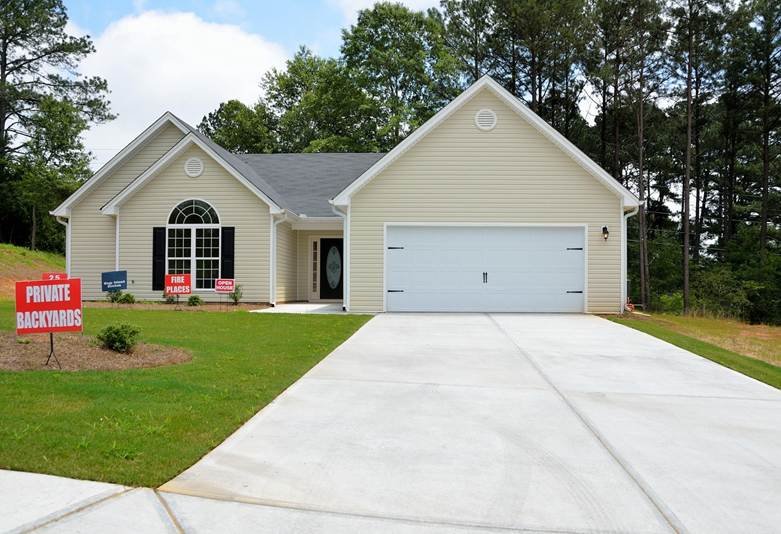
Image source:https://pixabay.com/photos/new-home-for-sale-georgia-usa-home-1689867/
Keep Momentum After The Offer Arrives
Speed is easy to lose after you receive an offer. The most common slowdowns happen when paperwork is scattered, signatures lag, or communication goes quiet.
Pick one point of contact on your side, even if family members are involved. Keep everything in a single folder and respond to document requests the same day when possible.
Push for a short written timeline. If you can see the next 5 steps in order, you can spot delays early and keep the deal from drifting.
Immediate purchase proposals are easiest to get when you reduce uncertainty and ask in a structured way.
Build a simple offer packet, request terms consistently, and compare proposals with a scorecard that highlights risk and friction. When you keep momentum after the offer arrives, fast stays fast, and the transaction feels far more manageable.
Read more: How AI Is Changing Wedding Planning | Wezoree Outlook – SizeCrafter
The Ambiance of LED Neon Signs: Light for Creating Space – SizeCrafter
Comprehensive Guide to Car Insurance in India: Types, Coverage & Benefits – SizeCrafter
