
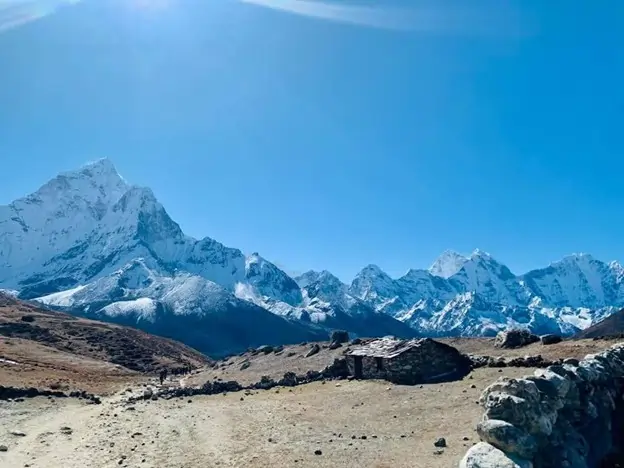
Why Kala Patthar Is the Ultimate Everest Viewpoint You Can’t Miss
You’ve dreamed of seeing Mount Everest up close, but climbing the world’s highest peak isn’t realistic for most people. The cost, the risks, and the months of training make summiting Everest a challenge reserved for a few.
That’s where Kala Patthar comes in.
This rocky viewpoint sits at 5,545 meters and offers one of the best, most iconic views of Everest, often clearer and more dramatic than what climbers see from Base Camp. No technical climbing, crampons, or oxygen tanks required. Just determination, good acclimatization, and a love for the mountains.
If you’re trekking the Everest Base Camp route, Kala Patthar is the vantage point you absolutely shouldn’t skip. It gives you the postcard-perfect Everest panorama most trekkers dream of.
In this guide, you’ll learn why Kala Patthar is so famous, how hard the climb really is, the best time to go, and what to expect on the trail.
What Is Kala Patthar and Why Is It Famous?
Where Is Kala Patthar Located?
Kala Patthar lies above Gorak Shep, the final settlement before Everest Base Camp trek. It’s part of the classic Khumbu trail that thousands of trekkers follow each year.
The name “Kala Patthar” means Black Rock, and it sits on the lower ridge of Mount Pumori. It’s not a peak but a viewpoint, and one of the most rewarding in the Himalayas.
Trekkers typically hike to Kala Patthar either the afternoon they arrive in Gorak Shep or early the next morning for sunrise.
Why Kala Patthar Has the Best Everest View
Many trekkers are surprised to discover that Everest isn’t clearly visible from Base Camp. It’s blocked by Nuptse and other surrounding peaks.
Kala Patthar, however, stands in the perfect location.
From its summit, you get:
- A full, unobstructed view of Everest’s south face
- Clear sightlines of Lhotse, Nuptse, and Changtse
- Close-up views of Pumori
- A sweeping 360-degree Himalayan panorama
Sunrise from Kala Patthar is especially magical, the peaks glow gold and pink as the morning light reaches Everest.
For many, this moment becomes the emotional highlight of the entire trek.
How Difficult Is the Kala Patthar Trek?
Is Kala Patthar Good for Beginners?
Yes, Kala Patthar is challenging but achievable for beginner trekkers with proper preparation.
The climb from Gorak Shep takes 2 to 3 hours round trip, depending on pace. The distance isn’t long, but the altitude makes every step slower.
The main challenges include:
- Steep, rocky trail
- Cold temperatures, especially at dawn
- Thin air at 5,545m
No technical skills are required. Just a steady pace, proper acclimatization, and mental determination.
What Altitude Is Kala Patthar and How to Prepare
Kala Patthar sits at 5,545 meters, higher than Everest Base Camp. At this altitude, oxygen levels drop to nearly half of what they are at sea level.
Preparation tips:
- Follow a gradual ascent (acclimatization days in Namche and Dingboche)
- Hydrate well—3 to 4 liters daily
- Avoid alcohol and smoking
- Wear layered clothing for warmth
- Trek slowly— “slow is safe” at altitude
Diamox can help some trekkers, but always consult a doctor before use.
When Is the Best Time to Trek to Kala Patthar?
Best Season for Clear Views
Choosing the right season is key to experiencing the breathtaking panorama from Kala Patthar. While you can visit the viewpoint year-round, two trekking seasons offer the most reliable weather and the clearest mountain views.
Spring (March–May)
Spring and autumn are also the peak seasons for other major Himalayan routes, including the Manaslu Circuit Trek, because these months offer the best mix of weather, stability, and clear mountain views.
- Mild, pleasant daytime temperatures
- Blooming rhododendrons along the lower trails
- Generally stable weather
- Clear morning views ideal for photography
- A lively atmosphere with Everest climbers heading toward Base Camp
Spring offers a beautiful blend of vibrant landscapes and good visibility.
Autumn (September–November)
Autumn is another excellent season and is often considered the best time for high-altitude trekking. After the monsoon clears, you’ll enjoy:
- Crystal-clear skies
- Crisp, clean mountain air
- Very stable weather conditions
- Cool but comfortable temperatures
- Some of the best visibility of the entire year
This season is perfect for trekkers who want sharp, uninterrupted views of Everest from Kala Patthar.
Can You Trek Kala Patthar in Winter?
Yes, trekking to Kala Patthar in winter is absolutely possible, and for many adventurers, it’s one of the most magical times to visit. Winter brings a peaceful, untouched beauty to the Everest region that you won’t find in the busier trekking seasons.
Pros of Winter Trekking
- Clear, crisp skies
Winter often delivers some of the sharpest and clearest mountain views of the entire year. - Fewer trekkers
The trails are quiet, offering a sense of solitude and a more personal connection with the mountains. - Stunning snowy landscapes
Snow-covered peaks and frosted valleys create dramatic, picture-perfect scenery.
Cons to Consider
- Very cold temperatures
Nighttime temperatures can drop as low as –20°C (–4°F), especially in Gorak Shep. - Snow-covered and slippery trails
Ice and snow can make certain sections harder to navigate, requiring extra caution. - Limited accommodation options
Some tea houses close for the winter season, meaning fewer choices along the trail.
How to Reach Kala Patthar: Trekking Route & Logistics
Most Common Route to Kala Patthar
The most popular and convenient way to reach Kala Patthar is by following the classic Everest Base Camp (EBC) trekking route. This trail takes you through the heart of the Khumbu region, passing through Sherpa villages, monasteries, and some of the most iconic viewpoints in the Himalayas.
Here’s the general route outline:
- Lukla → Phakding
- Phakding → Namche Bazaar
- Acclimatization day in Namche
- Namche → Tengboche
- Tengboche → Dingboche
- Acclimatization day in Dingboche
- Dingboche → Lobuche
- Lobuche → Gorak Shep
- Hike to Kala Patthar
Most trekkers combine Kala Patthar with a visit to Everest Base Camp. Typically, you’ll reach Base Camp the same day you arrive in Gorak Shep, then wake up early the next morning to climb Kala Patthar for sunrise, the ideal time for clear skies and glowing Himalayan views.
This route takes about 12–14 days round trip from Kathmandu, including acclimatization days, and is supported entirely by tea houses, no camping required.
Guide or Solo: Which Is Better?
Trekking to Kala Patthar can be done either with a guide or independently, but each option comes with important considerations, especially since Nepal has recently introduced stricter regulations on solo trekking in national parks.
Why Hiring a Guide Is Beneficial
Choosing to trek with a licensed guide offers several advantages:
- Improved safety in case of altitude sickness or emergencies
- Deep cultural insights into Sherpa traditions and local life
- Logistical support, from route navigation to finding quality tea houses
- Contribution to the local economy, supporting Nepali guides and porters
- Help managing the pace, which is crucial at high altitude
A guide can make the journey smoother, safer, and more enjoyable, especially for first-time trekkers.
Trekking Solo
Trekking solo provides more flexibility and may cost less, but it requires:
- Strong navigation skills
- Experience with high-altitude trekking
- Comfort managing all logistics on your own
- Confidence to handle altitude symptoms without assistance
Independent travel continues to grow worldwide, with trends like e-bike travel showing how adventure enthusiasts are seeking more freedom and self-guided experiences. But in the Himalayas, it’s still important to balance that independence with safety.
Because of the evolving rules, it’s important to check the latest guidelines before planning a solo trek.
Permits Required
Whether you trek independently or with a guide, you’ll need the following permits:
- Sagarmatha National Park Entry Permit
- Khumbu Pasang Lhamu Rural Municipality Permit
Both are essential for entering and trekking within the Everest region.
Conclusion:
Kala Patthar is the best viewpoint of Mount Everest accessible to trekkers. No other non-technical trail offers such a dramatic, up-close panorama of the world’s highest peak.
The climb is challenging but not extreme, and the reward is unforgettable: golden sunrise over Everest, sweeping views of Himalayan giants, and the satisfaction of reaching one of the most iconic viewpoints on Earth.
If Everest is calling and Base Camp alone isn’t enough, Kala Patthar is the place to be.
Pack your layers, pace yourself, and get ready for the view of a lifetime.
Read more: Preparing for Tomorrow: How Sample Papers Boost Class 9 Success – SizeCrafter
Reliable Plumbing Services for Lasting Peace of Mind – SizeCrafter
How to Choose the Right Auto Insurance Options for You – SizeCrafter
